
Understanding the Search Ecosystem Concept
The search ecosystem represents a shift from isolated keywords to interconnected signals including user intent, diverse platforms, and AI. This holistic metaphor ensures that digital visibility is not dependent on a single ranking but on a web of authoritative touchpoints. Industry trends suggest that organizations adopting this model see more resilient results compared to those relying on legacy tactics.
Traditional SEO models often focus on singular keyword targets, whereas an ecosystem view accounts for the evolving nature of discovery. By prioritizing brand authority and user intent across multiple surfaces, businesses can capture value throughout the entire customer lifecycle. This strategic shift is essential for maintaining revenue and brand authority in an increasingly fragmented digital world.

| Feature | Traditional Keyword Model | Search Ecosystem Model |
|---|---|---|
| Primary Focus | Individual keyword rankings | Interconnected intent signals |
| Success Metric | Search Engine Results Page (SERP) position | Brand authority and intent coverage |
| Platform Scope | Primary search engines only | Cross-channel (Voice, AI, Visual, Social) |
For more information, refer to Articfly’s How AI Improves SEO page or the Search Engine Journal definition of search ecosystem.
Why Executives Need to Move Beyond Keyword Obsession
Moving beyond keyword obsession is critical for senior leadership to avoid the business risks associated with outdated metrics. Clinging to high-volume, low-intent keywords can lead to missed opportunities in voice, visual, and AI-driven search landscapes. A narrow focus often results in over-investment in low-value rankings that do not contribute to the bottom line.
Holistic brand visibility requires investment in long-term authority rather than chasing short-term ranking fluctuations. Industry reports on AI search trends indicate that search engines are prioritizing entities and topical clusters over exact-match phrases. Executives who pivot now can secure a first-mover advantage as search interfaces become more conversational and multifaceted.

Industry analysts emphasize that the future of search is no longer about winning a single query, but about owning the topical authority across the entire digital landscape.
Recent industry report on AI search trends
Review our case study on ROI of ecosystem-first SEO for detailed performance data.
Core Pillars of a 2026 SEO Mindset
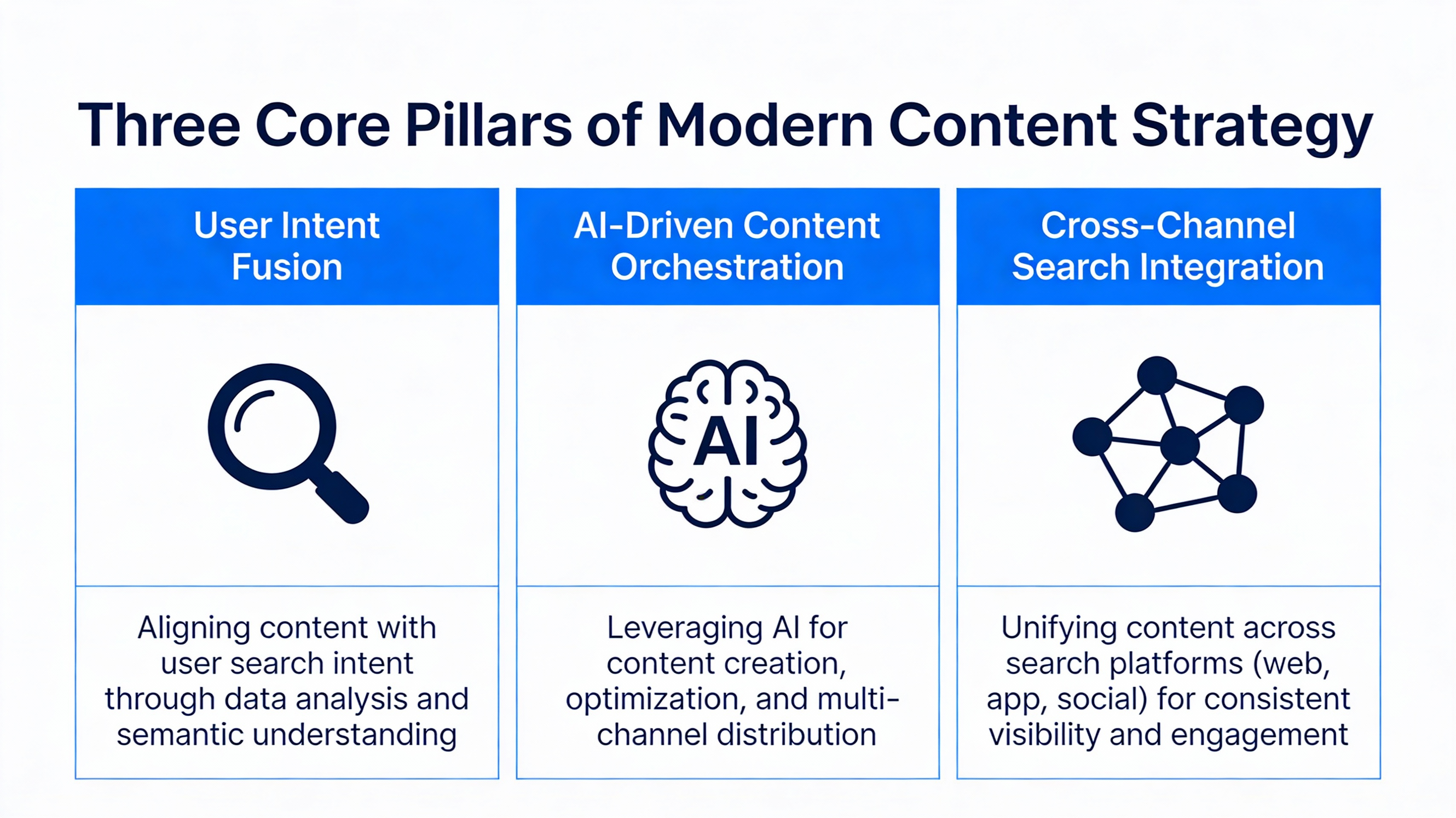
User Intent Fusion
User intent fusion merges textual, voice, and visual queries to create a comprehensive understanding of the buyer's journey. Mapping these intents allows organizations to serve content that precisely matches the user's specific stage of investigation. This approach ensures that content remains relevant regardless of how the user chooses to search.
- Informational: "What is a search ecosystem?"
- Navigational: "Articfly login"
- Commercial: "Best AI SEO platforms for 2026"
- Transactional: "Articfly pricing plans"
AI-Driven Content Orchestration
AI-driven content orchestration enables teams to generate, test, and optimize content at an unprecedented scale. By utilizing platforms like Articfly, brands can maintain a consistent voice while adapting to the rapid changes of search engine algorithms. This automation transforms content from a manual chore into a data-driven asset.
AI Content Workflow
Data Input -> AI Strategic Planning -> Content Generation -> SEO Optimization -> Multi-Channel Distribution
Cross-Channel Search Integration
Cross-channel search integration coordinates SEO efforts with paid search, social media, and discovery platforms. This unified approach ensures that brand messaging remains consistent across all digital touchpoints while maximizing visibility. Unified measurement dashboards are essential for tracking how these channels interact to drive conversions.
| Channel | Core KPI | Ecosystem Role |
|---|---|---|
| Organic Search | Topical Authority | Long-term awareness |
| Paid Search | Conversion Rate | Immediate intent capture |
| Social Discovery | Engagement Rate | Brand signal reinforcement |
Visit Articfly’s AI content creation feature page or consult Google’s Search Ecosystem documentation for further technical details.
Implementing an Ecosystem-First Strategy in Your Organization

Aligning Business Goals with Search Signals
Aligning business goals with search signals requires translating revenue targets into tangible search objectives. Stakeholder workshops are essential to map these goals to the specific signals recognized by modern search ecosystems. This ensures that every piece of content produced serves a clear commercial purpose.
- Identify primary revenue drivers for the fiscal year.
- Map customer pain points to high-intent search clusters.
- Establish cross-departmental KPIs for digital visibility.
- Audit existing content for ecosystem alignment.
Leveraging AI Tools like Articfly
Leveraging AI tools like Articfly allows content teams to deploy automated topic discovery, drafting, and SEO structuring. Integration with existing CMS and analytics tools streamlines the workflow from ideation to publication. This efficiency allows human creators to focus on strategy and brand narrative rather than repetitive tasks.
The goal of AI in content is not to replace the strategist, but to provide the speed and scale necessary to dominate a complex search environment.
Articfly Leadership Insight
Schedule a product demo page or read a neutral guide on AI in SEO to learn more.
Measuring Success in a Search Ecosystem Era
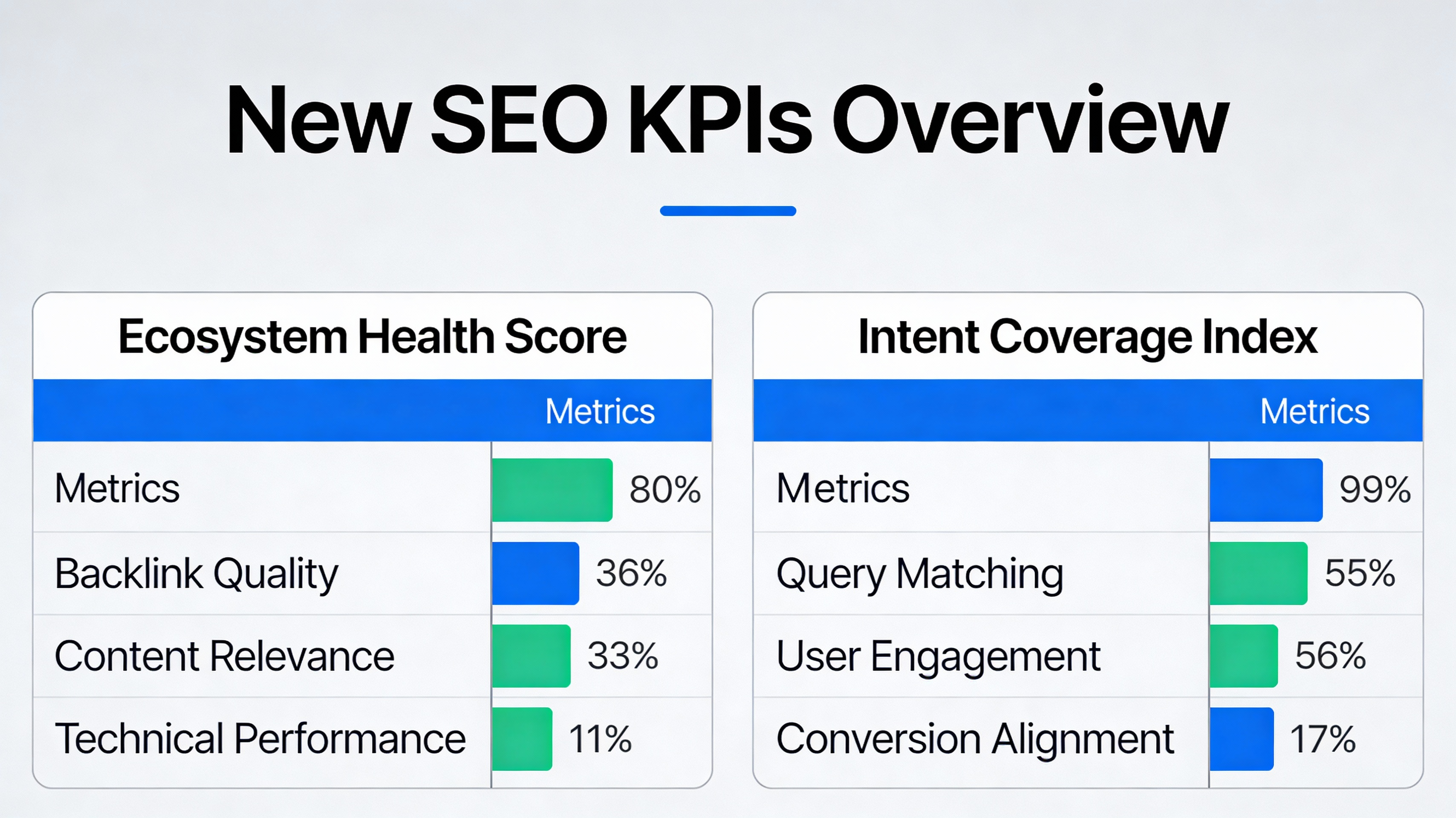
New KPIs Beyond Rankings
New KPIs beyond rankings are necessary to measure the health and effectiveness of a search ecosystem. Traditional metrics often fail to capture the influence of zero-click searches and AI-generated summaries. Focusing on broader health scores provides a more accurate picture of strategic performance.
- Search Ecosystem Health Score: An aggregate metric of brand presence across platforms.
- Intent Coverage: The percentage of buyer-journey queries where your brand appears.
- Cross-Channel Visibility Index: Measurement of brand prominence across search, social, and AI.
Continuous Feedback Loops
Continuous feedback loops involve real-time analytics and rapid iteration cycles to refine content strategy. By monitoring ecosystem signals, organizations can adjust their tactics to maintain dominance in changing search environments. This agile approach prevents content from becoming stagnant or irrelevant.
The Iteration Cycle
Monitor ecosystem signals -> Analyze performance gaps -> Generate optimized content -> Update signals -> Repeat
Check the analytics dashboard overview or the industry benchmark report for more details.
Key Takeaways
- Transitioning from a keyword-centric view to a search ecosystem model is vital for 2026.
- The core pillars include user intent fusion, AI content orchestration, and cross-channel integration.
- AI platforms like Articfly are essential for scaling content to meet ecosystem demands.
- Success is measured by intent coverage and brand authority rather than just rankings.
FAQ
How does a search ecosystem differ from traditional keyword research?Traditional keyword research focuses on individual phrases, while a search ecosystem looks at the interconnected signals, user intent, and various platforms that drive discovery.
What are the first actions an executive should take to adopt this mindset?Executives should begin by aligning revenue goals with search signals and hosting workshops to move the team focus toward topical authority and intent coverage.
Which AI tools can help automate ecosystem-wide content creation?Platforms like Articfly are specifically designed to plan, write, and structure SEO-optimized content that fits into a holistic search ecosystem.
How do I measure ROI when focusing on an ecosystem rather than rankings?ROI is measured through intent coverage, cross-channel visibility, and the resulting impact on revenue targets rather than isolated SERP positions.
Is Articfly suitable for large enterprises as well as startups?Yes, Articfly scales to meet the needs of both startups and large enterprise content teams by providing consistent, data-driven content generation.
Ready to take action for the search ecosystem?
Begin your transition to a modern search strategy today. Schedule a free demo of Articfly’s AI-powered SEO planner to see how automation can scale your brand authority. You can also access the Search Ecosystem Playbook to guide your organization through this critical shift.