
Understanding the Need to Modernize Content in 2026
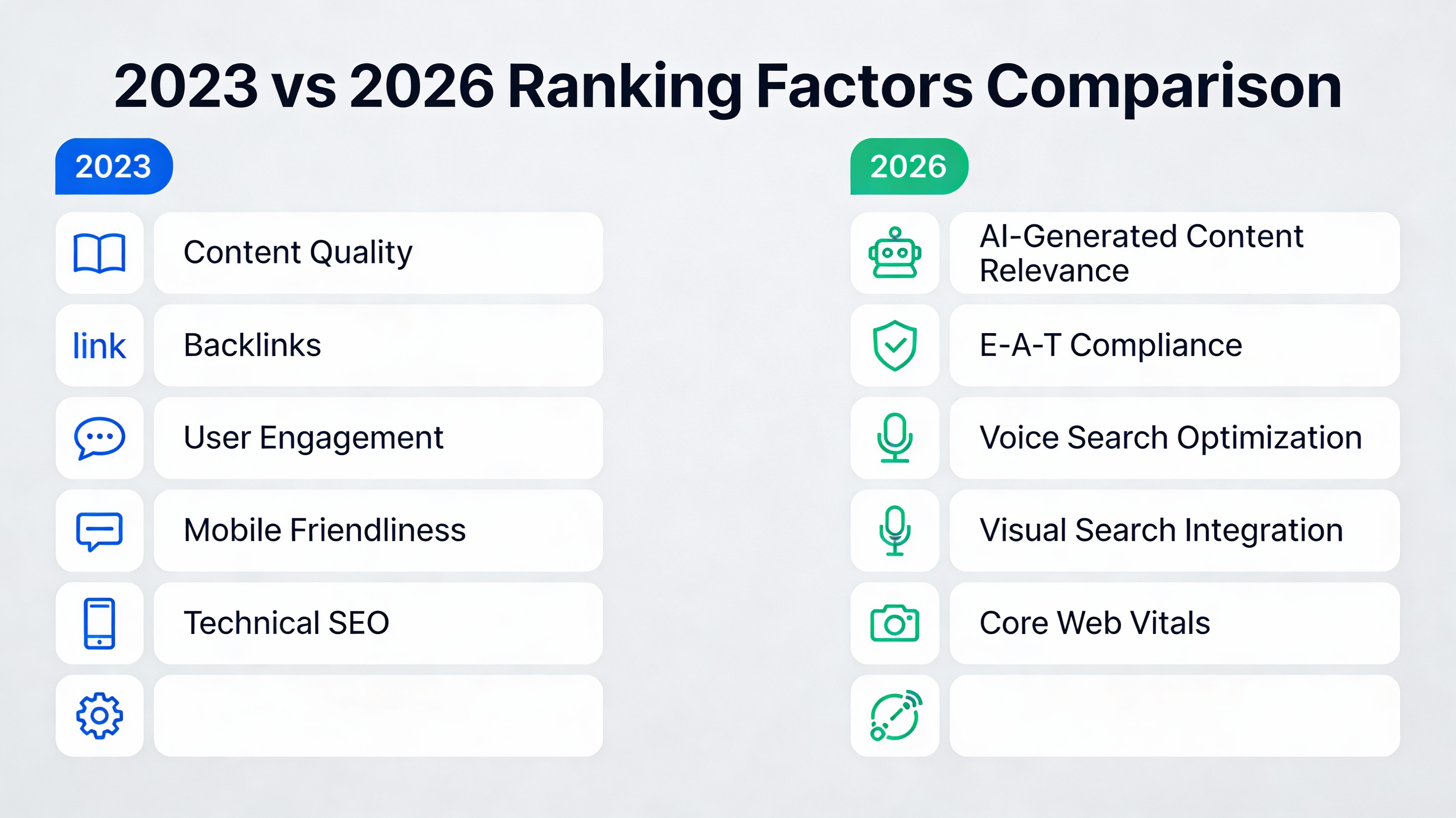
Modernizing legacy content is a critical priority for marketers as search behavior and algorithm requirements shift rapidly heading into 2026. According to industry observations, traffic often drops by double-digits when content ages and fails to meet new user expectations for depth and relevance. Updating these assets ensures you maintain a competitive advantage while recovering lost search visibility.
Algorithm updates and shifting user intent are the primary drivers of content decay. Older articles may still contain accurate information, but they often lack the "information gain" and semantic structure required by modern search engines. Refer to the Articfly feature page or the 2026 Search Quality Guidelines for more on these evolving standards.
| Ranking Factor | 2023 Standard | 2026 Standard |
|---|---|---|
| User Intent | Keyword Matching | Semantic Context & Intent Shift |
| Content Quality | Word Count Focus | Information Gain & Verified Expertise |
| Technical Health | Basic Mobile-Friendly | Core Web Vitals & Page Experience |
Step 1: Conduct a Comprehensive Content Audit

A systematic content audit provides the foundation for identifying which posts require immediate attention and which should be retired. By using inventory tools like Screaming Frog or Ahrefs, you can pull critical metrics such as traffic trends, click-through rates, and backlink profiles. This data allows you to create a scoring matrix to prioritize high-impact updates that require minimal effort.
Once you have exported your data to a spreadsheet, you can categorize posts by their performance trajectory. Focus first on articles that have shown a gradual decline in rankings but still retain a high volume of historical backlinks. You can utilize the Articfly audit template or follow the Moz content audit guide to organize your workflow.
- Inventory all live URLs and metadata.
- Identify "decaying" posts with declining traffic.
- Map posts to current business goals and conversion points.
- Score each post based on its potential ROI after a refresh.
- Assign specific action items: Update, Merge, or Delete.
Step 2: Refresh Search Intent and Keyword Strategy
Search intent alignment is the process of ensuring your legacy content answers the specific questions users are asking in 2026. Keyword trends change over time, and a term that once signaled a desire for information might now signal a desire for a transaction or a specific tool. Analyzing competitor keyword gaps helps identify missing subtopics that your original draft likely overlooked.
Semantic clustering is a powerful way to group related keywords and create more comprehensive content silos. This approach moves beyond simple keyword density and focuses on covering a topic with depth and authority. Use the Articfly keyword research tool or review Search Engine Journal’s article on 2026 keyword trends for deeper insights.
Keyword Clustering Visual Example:
[Main Topic: Digital Marketing] -> [Cluster: AI Automation] -> [Sub-topics: Content Planning, Automated Drafting, Workflow Integration]
Step 3: Re‑write and Optimize with AI (Articfly)
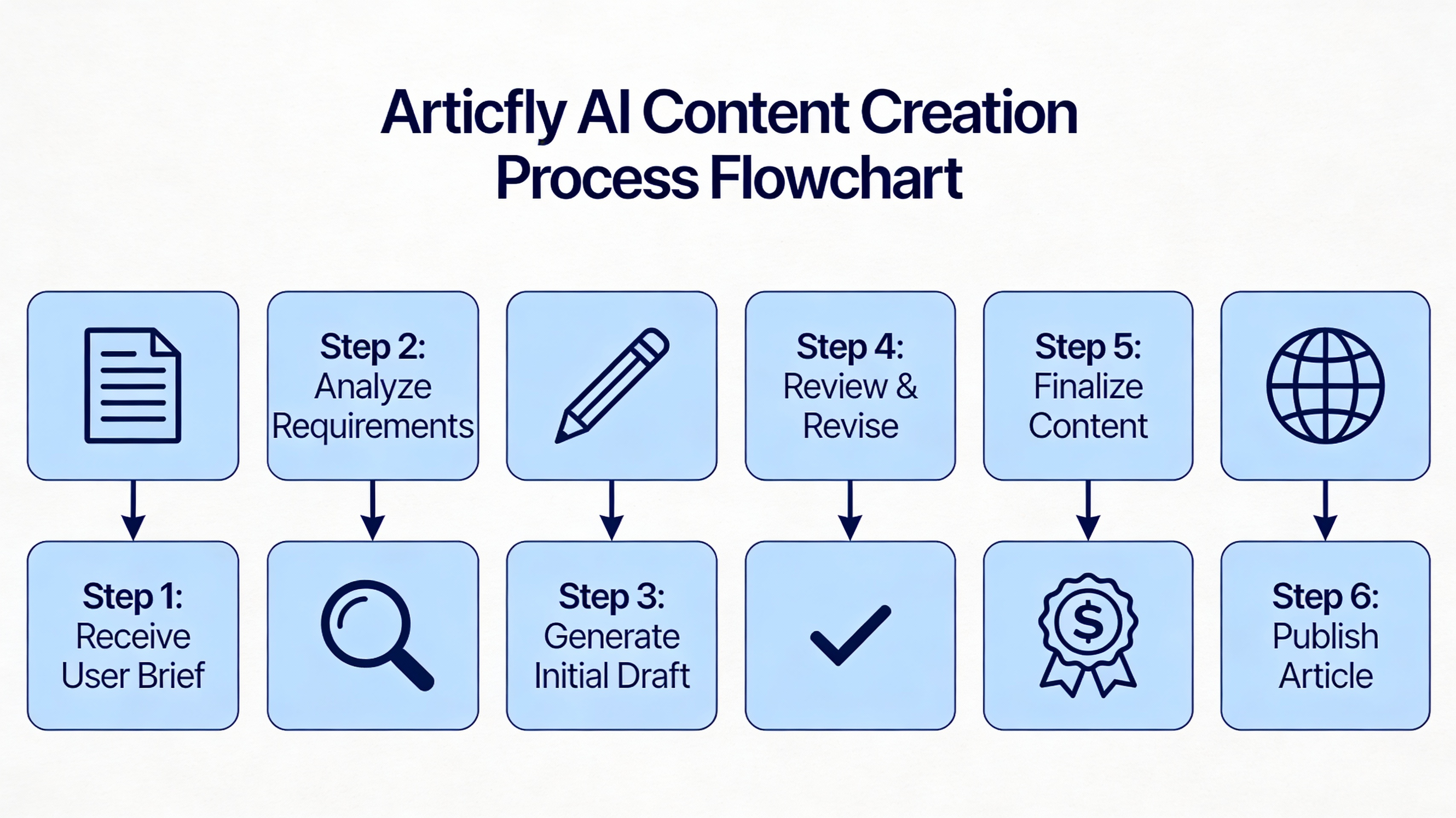
AI-powered rewriting through platforms like Articfly allows you to generate SEO-optimized drafts in a fraction of the time required for manual editing. By feeding a detailed brief into the system, the AI can produce fresh outlines that incorporate 2026 search intent and semantic keywords automatically. This ensures your refreshed content hits all the necessary technical benchmarks while maintaining your unique brand voice.
Once the AI generates the new draft, a brief human review ensures the tone matches your specific brand presets. You can check the Articfly pricing page to see how these automated workflows scale across large content libraries. Additionally, reviewing a case study on AI-generated content performance can help set expectations for your results.
| Content Element | Before Refresh | After AI Refresh (Articfly) |
|---|---|---|
| Heading Structure | Generic H2s/H3s | Optimized for semantic search |
| Keyword Integration | Repetitive phrases | Natural, entity-based clustering |
| Metadata | Outdated year/info | Fresh 2026 tags and descriptions |
Step 4: Technical and On‑Page Enhancements
Technical SEO upgrades must accompany every content refresh to ensure the new text is accessible to both users and search crawlers. Updating schema markup and optimizing for Core Web Vitals are non-negotiable steps in a mobile-first search environment. These enhancements help search engines verify the context of your content and improve the overall page experience score.
Internal linking is another vital component of your on-page strategy that connects modernized articles to your broader site architecture. By building logical content silos, you signal topical authority to search engines and keep users engaged for longer periods. Consult our technical SEO guide or Google’s Core Web Vitals documentation for specific implementation steps.
| Technical Check | Action Required |
|---|---|
| Schema Markup | Add Article/FAQ structured data |
| Page Speed | Optimize images and lazy load |
| Mobile View | Ensure zero layout shifts (CLS) |
| Internal Links | Update links to newer relevant posts |
Step 5: Publish, Promote, and Monitor Performance
The post-launch phase is where the true value of your modernization efforts is realized through active monitoring and promotion. Once an article is republished, it should be distributed through social channels and email newsletters to signal freshness to search engines. Following a strict publishing checklist ensures that no metadata or technical detail is missed during the transition.
Monitoring your results via rank tracking and analytics is essential for understanding which updates were most effective. Using the Articfly analytics dashboard or the Ahrefs rank tracker guide allows you to see real-time movements in search visibility. This data can then be used to A/B test headlines and further refine your content for even better performance.
Post-Launch Timeline Visual:
Day 1: Publish & Index -> Day 3: Social & Email Promotion -> Week 2: Initial Rank Tracking -> Month 1: Performance Audit & Tweak
Key Takeaways
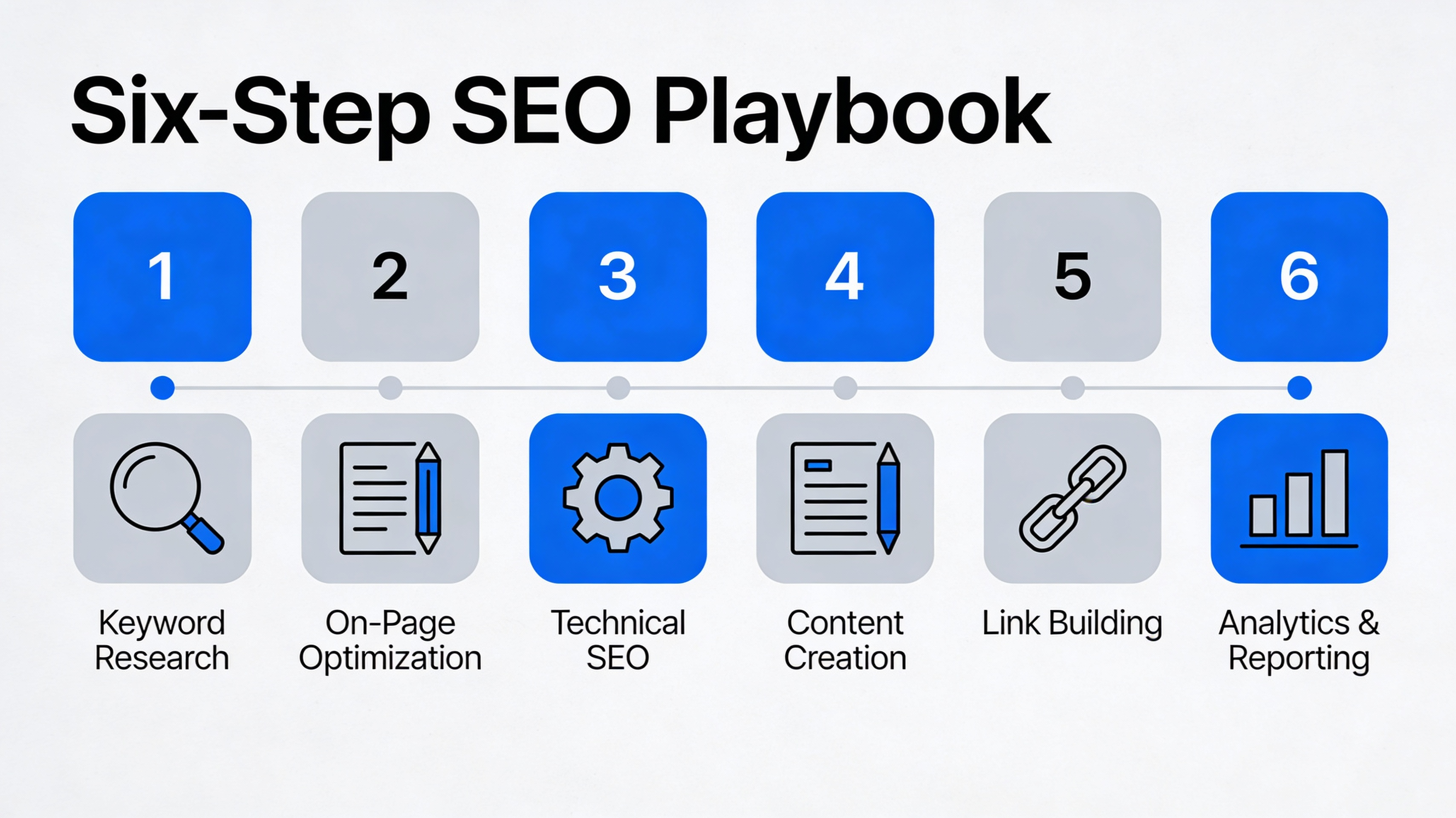
Refreshing your content strategy for 2026 requires a mix of data-driven auditing and AI-powered execution. By following this playbook, you can transform stagnant articles into high-performing assets that drive consistent traffic. Focus on these core pillars to maintain your search dominance.
- Audit your library to find high-impact targets.
- Analyze search intent for 2026 keyword shifts.
- Use Articfly to generate optimized rewrites quickly.
- Upgrade technical factors like Core Web Vitals.
- Promote your refreshed content across all channels.
- Monitor rankings and iterate based on performance data.
Frequently Asked Questions
Common questions about content updates often revolve around the technicalities of AI and the timing of SEO results. Below are the most frequent inquiries from content managers and agency owners looking to implement this playbook.
Do I need SEO expertise to use this playbook?While basic knowledge of SEO helps, this playbook is designed to be accessible. Articfly automates the most complex parts of the process, such as keyword clustering and SEO tag generation, so you can focus on strategy.
How much content can Articfly rewrite per month?The platform is built for scalability. Depending on your chosen plan, you can refresh dozens or even hundreds of articles per month, making it ideal for agencies and large-scale publishers.
Will AI‑generated content be penalized by Google?Google’s guidelines focus on content quality and helpfulness rather than how the content is produced. As long as your AI-generated articles provide information gain and satisfy user intent, they are viewed favorably.
How long before I see ranking improvements?Many users see improvements in search visibility within 2 to 4 weeks of republishing. However, significant traffic gains usually manifest after search engines have fully re-indexed the page and assessed the new user engagement metrics.
Next steps for an AI content revamp
Modernizing your legacy content shouldn't be a manual, time-consuming burden for your team. By leveraging Articfly's automated planning and writing systems, you can refresh your entire blog library in a fraction of the time it takes to write a single post from scratch. Start reclaiming your rankings and driving more traffic today by signing up for our free trial.
Sign up for the Articfly free trial