The 4-Hour Work Week for Content: Automating Your Blog
Key Takeaways
- The shift from writer to systems architect is the primary requirement for scaling a blog without increasing headcount.
- Automating the full content lifecycle-including ideation, optimization, and publishing-removes the creator as the operational bottleneck.
- Long-term SEO success depends on systematic maintenance and refreshing existing content, rather than just producing new posts.
- A unified tech stack connecting AI intelligence directly to WordPress ensures brand consistency and technical precision.
- Monetization becomes more effective when triggers and editorial roadmaps are planned 30-360 days in advance.
The Transition from Writer to Systems Architect
Moving beyond the manual production loop is essential for bloggers who want to treat their content as a scalable asset. Most creators find themselves on a "content hamster wheel" where the daily grind of drafting and editing prevents them from focusing on high-level growth or monetization strategies. By adopting a systems-first mindset, you transition from being the primary laborer to the architect of a self-sustaining engine.
An architect does not lay every brick; they design the blueprint and manage the tools that perform the assembly. In the context of blogging, this means moving away from one-off creative bursts toward a structured workflow. You define the brand voice, set the parameters, and oversee the output while technology handles the repetitive execution of writing and formatting.
This approach mirrors the 4-hour work week philosophy by isolating the high-impact tasks. Instead of spending 20 hours a week on a single long-form guide, you spend two hours refining an AI-generated roadmap and reviewing scheduled publications. This systemic efficiency allows a solo operator to match the output of a traditional editorial team.
| Feature | The Manual Blogger | The Systems Architect |
|---|---|---|
| Ideation | Ad-hoc brainstorming and manual keyword research. | AI-planned 30-360 day editorial roadmaps. |
| Production | 6-10 hours per article for drafting and formatting. | AI-assisted generation with brand voice training. |
| SEO | Manual checklist and plugin tweaking for each post. | Automated scoring, schema, and internal link mapping. |
| Maintenance | Posts are published and often forgotten until rankings drop. | Automated tracking of content decay and auto-refreshes. |
Building the Infrastructure: Your Automated Blog Tech Stack

Establishing a technical foundation is the first step toward removing yourself from the production bottleneck. A serious content operation requires more than just a writing tool; it requires a centralized command center where data and publication reside together. Without this integration, you are forced to copy-paste between fragmented apps, which creates friction and introduces human error.
The ideal stack prioritizes direct connection and end-to-end management. It should handle everything from the initial keyword analysis to the final schema generation. By reducing the number of manual steps in the publishing process, you minimize the "cognitive load" required to keep the site active and growing.
WordPress as the Central Command Center
WordPress remains the gold standard for content management due to its flexibility and extensive ecosystem. However, its native editor is designed for manual entry, not high-volume automation. To transform it into a command center, you must connect it to a logic layer that understands SEO and content structures.
A native plugin integration is better than using third-party connectors that rely on brittle API bridges. This direct sync allows for scheduling, metadata management, and post updates to happen within a single dashboard. It ensures that your site stays lean while gaining the capabilities of a much larger enterprise system.
Integrating Articfly for Lifecycle Management
Connecting a dedicated content engine like Articfly provides the intelligence that WordPress lacks out of the box. This dashboard serves as the brain of your operation, handling the full lifecycle from the initial idea to the post-publication refresh. It bridges the gap between raw AI output and a polished, ranking article.
The Pro plan infrastructure allows for Advanced Mode generation, which is specifically trained on your unique brand voice. This ensures that the high volume of content produced does not feel generic or disconnected from your audience. By centralizing 13 different SEO tools into one interface, you eliminate the need for a dozen separate subscriptions.
| Requirement | Standard Disparate Tools | Unified Lifecycle Engine (Articfly) |
|---|---|---|
| Workflow | Switching between 5+ tabs and apps. | Single dashboard from idea to live link. |
| Brand Consistency | Manual editing to fix tone and style. | Automated Brand Voice Analyzer integration. |
| Technical SEO | Manual schema and internal link plugins. | Built-in schema and internal link mapping. |
| Optimization | Static scores that ignore current SERP data. | Dynamic analysis and live SERP previews. |
The Content Flywheel: From Ideation to Auto-Publication
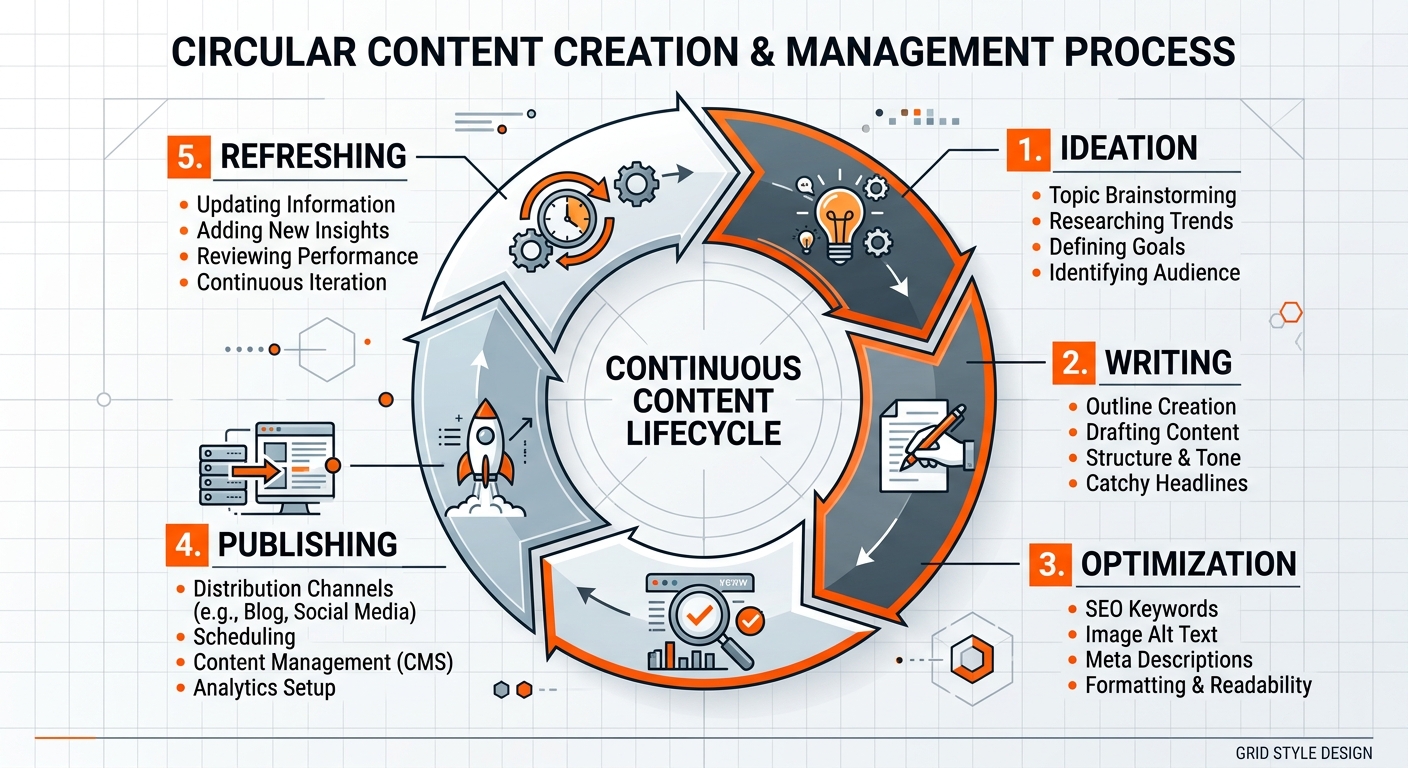
Creating a content flywheel means building a process where each piece of content contributes to the momentum of the next. Instead of publishing random topics, an automated system looks at the entire niche and maps out a logical progression of articles. This ensures that your site covers a broad topical authority, which is a major ranking signal for search engines.
The goal is to move from a "one-off" mentality to a sustained production cycle. When your ideation, writing, and publishing are linked, you can focus on the performance data rather than the word count. This shift allows for a level of consistency that is nearly impossible to maintain manually over several months.
Long-Term Editorial Planning via AI
Editorial roadmaps should span months, not days, to provide the necessary structure for topical dominance. Manual planning often fails because it is influenced by current trends or personal interests rather than cold data. AI-planned roadmaps can analyze your niche and generate 30 to 360 days of content ideas that specifically fill your topical gaps.
These roadmaps serve as a "set and forget" schedule for your content production. Once the roadmap is generated and vetted, the system can begin drafting and staging articles for review. This forward-looking approach ensures that your content pipeline is never empty, even when you are focused on other business areas.
Brand Voice Training: Maintaining Human Quality at Scale
A unique brand voice is what separates a professional blog from a generic content farm. Using a Brand Voice Analyzer allows the system to extract your specific tone, vocabulary, and stylistic guidelines directly from your existing website. This training ensures that every AI-generated article sounds like it was written by your lead editor.
Consistency in voice builds trust with your readers and reinforces your authority in the niche. When the AI understands your specific "vibe"-whether it is technical and direct or conversational and punchy-it reduces the amount of human editing required. This high-fidelity output is what makes scaling possible without sacrificing quality.
Beyond Writing: Automating SEO Maintenance and Refreshing
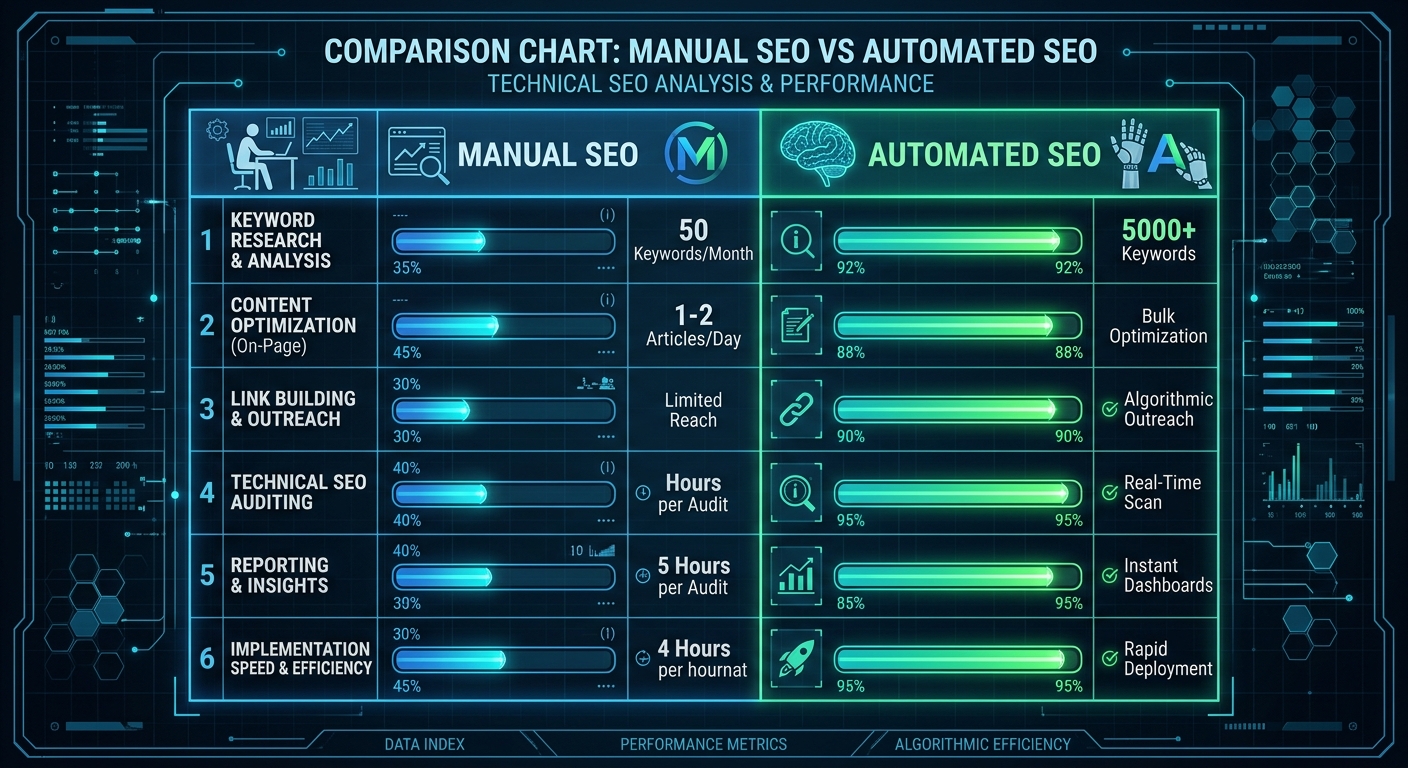
SEO is not a static task that ends the moment you hit "publish." In reality, the most significant rankings often come from articles that have been aged and refined over time. Automating the maintenance phase is how you prevent "content decay," where older posts lose their search visibility because they are no longer viewed as current or relevant.
Maintaining a library of hundreds of posts manually is an impossible task for a solo creator or a small team. Automated systems can monitor performance data and trigger refreshes when a post begins to slip in the rankings. This proactive approach keeps your entire library working for you, rather than just your newest entries.
Solving the Problem of Content Decay
Content decay occurs naturally as new competitors enter the market and search engine algorithms evolve. Without a system to track these changes, you may not realize a post has lost its ranking until the traffic has already vanished. An Article Refresher tool tracks these trends and suggests updates to keep the content fresh and competitive.
Refreshing content is often more cost-effective than writing new articles. By updating facts, adding new sections, and re-optimizing for current keywords, you can often regain or exceed your previous traffic levels. This lifecycle management ensures that your previous work continues to provide a return on investment indefinitely.
Automated Internal Linking and Schema
Technical SEO elements like internal linking and schema generation are often overlooked because they are tedious to manage. However, internal links are vital for helping search engines understand the structure of your site and for distributing "link equity" across your pages. Schema provides the structured data that allows for rich snippets in search results.
Automating these tasks removes the risk of human error and ensures that every post is technically perfect from day one. An AI engine can map your entire site's internal link structure and automatically suggest relevant connections between new and old posts. This creates a dense web of relevance that search engines reward with higher visibility.
Common SEO Maintenance Failures
- Ignoring Decaying Posts: Allowing high-traffic articles to slide for months without updates.
- Broken Internal Links: Failing to update links when URL structures change or pages are deleted.
- Missing Schema: Not using structured data, which limits visibility for featured snippets and FAQs.
- Outdated Statistics: Keeping old data in articles, which signals to Google that the content is no longer "fresh."
Monetization Strategies for the Automated Blog
Scaling your production volume directly increases your opportunities for monetization through affiliate marketing, lead generation, and ad revenue. A blog that publishes consistently and maintains high technical standards is more attractive to high-paying affiliate programs and premium ad networks. By automating the production, you free up your time to negotiate better deals and optimize your conversion funnels.
The key to successful monetization in an automated environment is the strategic placement of triggers. These triggers can be integrated into your editorial roadmap, ensuring that your content aligns with high-intent keywords that drive revenue. This structured approach treats your blog as a business asset rather than just a collection of articles.
- Affiliate Link Injection: Automatically inserting relevant affiliate offers into content based on the article's topic and intent.
- Lead Gen Callouts: Using automated prompts to encourage newsletter signups or free trial registrations within high-traffic posts.
- Ad Density Optimization: Monitoring post length and layout to ensure maximum ad viewability without hurting user experience.
- Sponsored Content Roadmaps: Planning specific clusters of content around a brand's needs and automating the production to meet tight deadlines.
Frequently Asked Questions
Does automation hurt SEO rankings?Search engines like Google prioritize quality, relevance, and user satisfaction over the specific method used to create the content. Automated optimization often exceeds manual efforts because it consistently applies technical standards, such as schema and keyword density, that humans might miss.
How much human oversight is actually required?The goal is to shift your role to "Editor-in-Chief." While the system handles the drafting and technical SEO, human oversight is recommended for the final review of roadmaps and cornerstone articles to ensure they align perfectly with your strategic goals.
Can AI truly capture my specific brand voice?Yes, through tools like a Brand Voice Analyzer. By feeding existing content from your website into the system, it extracts your specific tone, vocabulary, and stylistic preferences to ensure the output sounds natural and consistent with your past work.
What is content decay?Content decay is the natural decline in search rankings and traffic that happens as an article becomes outdated or as competitors publish fresher content. Automated refresher tools fix this by identifying declining posts and suggesting updates to keep them relevant.
Put this into practice
Transforming your blog into a self-sustaining engine begins with a clear assessment of where your time is currently being spent. Most creators find that the majority of their week is consumed by manual drafting and formatting-tasks that are easily handled by a technical lifecycle dashboard.
To start your transition, perform a quick audit of your last 30 days. Identify the posts that are losing traffic and use an automated tool to refresh them. Then, connect your WordPress site to a content engine like Articfly and generate a 30-day AI-planned roadmap to see how much faster you can ship high-quality, optimized content.
Want the system behind this content?
Join the top 1% of SEOs generating programmatic, high-converting organic traffic completely on auto-pilot.
DEPLOY ARTICFLYMore Articles
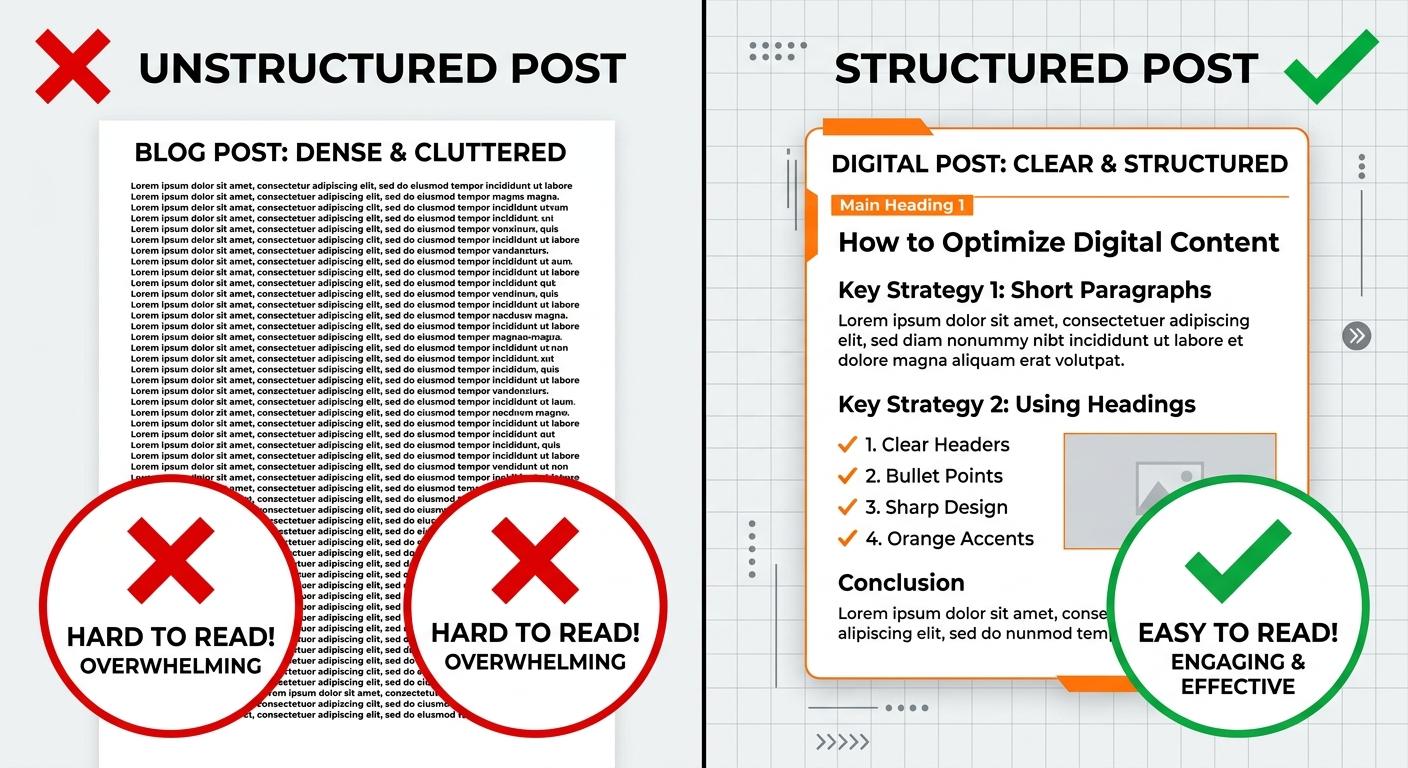
Why People Stop Reading Your Blog Post After 30 Seconds (and How to Fix It)
Most readers decide to stay or leave a blog post within the first 30 seconds. If your bounce rates are high, it's likely due to structural friction, poor hooks, or a lack of immediate value. Learn how to diagnose engagement killers and use AI-driven optimization to keep readers scrolling.
READ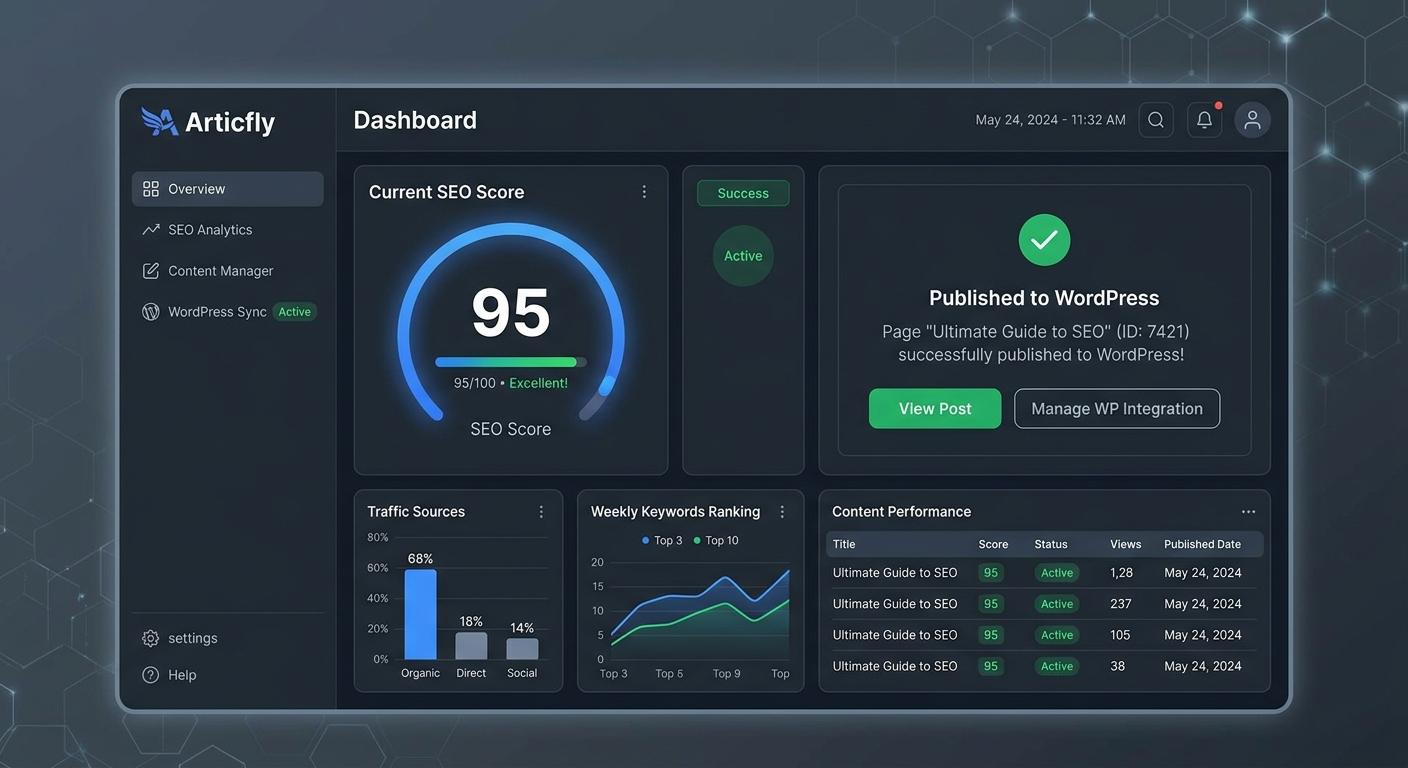
The $15 Blog Post That Brings in $2,000/Month: How AI Content Delivers 130x ROI
Discover the unit economics of high-scale AI publishing. Learn how to leverage Articfly to produce $15 blog posts that generate $2,000 in monthly recurring revenue through SEO optimization, automated publishing, and strategic content refreshing.
READ
Brand Voice in AI Content: How to Stop Your Blog from Sounding Like a Robot
Generic AI content is killing brand authority. Learn how to use Articfly’s Brand Voice Analyzer and Advanced Mode to produce high-scale, SEO-optimized content that sounds like your team, not a machine.
READ