Navigating the complex legal and ethical landscape of AI-generated content is crucial for businesses. This article outlines current U.S. Copyright Office positions on AI authorship, details plagiarism risks from training data, and stresses the importance of fact-checking and transparency. It also covers emerging legislation like the Generative AI Copyright Disclosure Act and ELVIS Act, providing practical steps for compliance and ethical content creation.
Introduction to AI Content and Legal Challenges
The rapid adoption of artificial intelligence tools for content generation has revolutionized how businesses, agencies, and creators produce material. From marketing copy and blog posts to design elements and code, AI-powered systems offer unprecedented efficiency and scalability. However, this technological leap brings with it a complex array of legal and ethical uncertainties that demand careful navigation. The proliferation of AI-generated content has initiated critical discussions surrounding copyright ownership, the potential for unintentional plagiarism, the imperative for accuracy, and the ethical responsibilities incumbent upon creators utilizing these tools.
Key questions arise daily: Who owns the copyright to content produced by an AI? What are the liabilities if an AI system inadvertently reproduces copyrighted material? How can businesses ensure the factual accuracy of AI outputs? And what level of transparency is required regarding AI involvement in content creation? These are not merely academic inquiries; they are practical challenges with significant legal and reputational implications for businesses operating in this evolving digital landscape.
The U.S. Copyright Office, acknowledging the profound impact of generative AI, has initiated a series of reports and public consultations. Their 2024-2025 agenda includes comprehensive studies into AI and copyright, signaling an active engagement with these emerging issues and a clear intent to adapt existing frameworks or develop new ones. These ongoing developments underscore the dynamic nature of AI content regulations and the necessity for businesses to stay informed and agile. Understanding the current legal landscape and anticipating future changes is paramount for mitigating risks and harnessing the benefits of AI content generation responsibly.
The rapid adoption of AI content tools has revolutionized production, yet it introduces complex legal and ethical uncertainties that demand careful navigation.
This article aims to provide a clear, factual, and actionable guide for businesses to understand and comply with the evolving legal landscape and ethical considerations surrounding AI-generated content. By addressing core aspects such as copyright ownership, plagiarism risks, fact-checking, disclosure requirements, and emerging regulations, businesses can develop robust strategies for responsible AI integration.

Copyright Ownership Fundamentals
The question of copyright ownership for AI-generated content is central to the legal landscape. The prevailing stance of the U.S. Copyright Office is unequivocal: purely AI-generated content, absent of human authorship, cannot be copyrighted. This position stems from a long-established legal principle that copyright protection extends only to "original works of authorship" created by a human being. This human authorship requirement is a cornerstone of U.S. copyright law, differentiating intellectual property derived from human creativity from that produced solely by machines.
This principle was recently reinforced by the U.S. Copyright Office in its rejection of copyright registration for a piece of artwork generated entirely by an AI system named DABUS, affirming that "human creativity is a prerequisite to copyright protection." Similar decisions have been made regarding text, music, and other creative outputs. For businesses, this means that content produced without any meaningful human input or creative direction from an individual cannot claim copyright protection, potentially leaving it in the public domain or susceptible to unauthorized use.
However, the distinction between purely AI-generated and AI-assisted content is critical. When a human author uses AI tools as instruments to create or refine their work, and exercises sufficient creative control over the output, copyright protection may still apply. The U.S. Copyright Office has provided guidance indicating that if a human author selects, arranges, or significantly modifies AI-generated material in a way that reflects their own creative choices, the resulting work may be eligible for copyright registration. This means businesses can claim ownership of AI outputs provided there is a demonstrable human authorship element involved in the content's conception, arrangement, or revision.
Practical application for businesses involves clearly documenting the human intervention in the content creation process. This includes outlining the specific prompts used, the iterative edits made by human creators, and the unique creative direction applied to the AI's raw output. Establishing such a clear chain of human input is essential for demonstrating the "human authorship" required for copyright protection and securing legal precedent for ownership. As courts continue to interpret these guidelines, maintaining robust internal processes for human oversight and creative integration remains a prudent strategy.

Plagiarism Risks and Training Data Concerns
One of the most significant legal challenges associated with AI-generated content is the inherent risk of unintentional copyright infringement, commonly referred to as plagiarism. Generative AI models are trained on vast datasets, often comprising billions of publicly available texts, images, and other forms of media. A substantial portion of this training data is copyrighted material. While AI models are designed to learn patterns and generate novel content, there is a distinct possibility that they may reproduce or closely imitate specific elements of their training data, leading to copyright infringement.
The legal community is actively grappling with how "fair use" principles apply to AI training and output. Fair use allows for limited use of copyrighted material without permission for purposes such as criticism, comment, news reporting, teaching, scholarship, or research. However, the scope of fair use in the context of large-scale AI training data utilization and content generation is highly contested. Multiple lawsuits are testing these boundaries.
A notable case that highlights these risks is Thomson Reuters v. Ross Intelligence. In this lawsuit, Thomson Reuters alleged that Ross Intelligence, an AI legal research company, infringed its copyrights by using content from its Westlaw legal database to train its AI system. While this case involved the training phase rather than the output, it underscores the legal vulnerabilities associated with the provenance of AI training data and the potential for subsequent infringement. If an AI model reproduces sufficiently similar expressions from its training data, it could constitute a derivative work or direct infringement.
For businesses utilizing AI content tools, mitigating plagiarism risks requires proactive measures. First, it is crucial to understand the origin and nature of the training data used by the AI model. Reputable AI providers will offer transparency regarding their data sources and implement safeguards to prevent direct reproduction. Second, businesses must implement robust content originality verification processes. This includes using sophisticated plagiarism detection software that can identify similarities not only in text but also in style, structure, and factual content. Relying solely on AI to check its own output for originality is insufficient.
Furthermore, human review remains indispensable. Human editors and content strategists should carefully review all AI-generated content before publication, cross-referencing facts and ensuring that the output aligns with brand guidelines and does not unintentionally reproduce existing protected works. Implementing a clear editorial workflow that incorporates these checks can significantly reduce the risk of inadvertent copyright infringement and protect businesses from costly legal disputes and reputational damage. Businesses should consider creating internal policies that require explicit consent or robust fair use analysis for any content that closely resembles existing works, even if AI-generated.
Fact-Checking and Misinformation Prevention
Beyond legal compliance, businesses have a profound ethical responsibility to ensure the accuracy of content generated by AI. Generative AI models, while powerful, are not inherently fact-checkers. They are predictive engines designed to generate coherent and contextually relevant text based on patterns learned from their training data. This process means they can, and often do, produce "hallucinations"—plausible-sounding but entirely false information. The risks of misinformation generated by AI are particularly acute in sensitive industries such as healthcare, finance, legal services, and scientific research, where inaccurate information can have severe real-world consequences, from misinformed medical decisions to erroneous financial advice.
Examples of misinformation risks are plentiful. An AI might confidently cite non-existent studies, attribute quotes to the wrong individuals, or present outdated statistics as current. In a financial context, an AI could generate market predictions based on flawed data, leading to poor investment decisions. In healthcare, it might suggest unproven remedies or misinterpret medical conditions. Such inaccuracies erode consumer trust, damage brand reputation, and can even expose businesses to liability for disseminating false information.
Therefore, implementing stringent verification processes for all AI-generated content is not merely a best practice; it is an ethical imperative. Businesses must establish clear protocols for human oversight, treating AI output as a draft that requires thorough review and validation. This involves several practical steps:
- Cross-Referencing: Verify all factual claims against credible, primary sources. Do not rely on secondary or tertiary sources unless their accuracy can be independently confirmed.
- Expert Review: For content in specialized fields (e.g., medical, legal, scientific), involve subject matter experts to review and validate the accuracy and appropriateness of the AI-generated text.
- Data Validation: Any statistics, figures, or data points generated by AI must be checked against official reports, research papers, or reputable databases.
- Attribution Verification: Ensure that all sources cited by the AI, or those added by human editors, are accurate and properly attributed.
- Consistency Checks: Verify internal consistency within the AI-generated content and consistency with a business’s existing knowledge base and published materials.
By integrating these rigorous fact-checking and verification steps into the content creation workflow, businesses can significantly mitigate the risk of spreading misinformation. This commitment to accuracy not only upholds ethical standards but also builds and maintains invaluable consumer trust, which is a cornerstone of any successful business endeavor.

Disclosure and Transparency Requirements
As AI tools become more sophisticated and their outputs indistinguishable from human-generated content, the need for transparency and clear disclosure of AI involvement becomes paramount. Both legal frameworks and ethical considerations are pushing towards greater clarity regarding the origins of published material. The U.S. Copyright Office has provided specific guidance on disclosure requirements when registering works that incorporate AI-generated elements.
When applying for copyright registration for works that include AI-generated material, applicants are required to disclose the use of AI. This disclosure must clearly identify the AI-generated content and specify the extent of human authorship. For instance, if an AI generates text that a human then substantially edits and refines, the application should explain the AI's role as a tool and the human's creative contributions. Failure to disclose AI involvement truthfully can lead to rejection of the copyright application or even revocation of a registration if discovered later. This legal requirement underscores the importance of maintaining meticulous records of human intervention in AI content workflows.
Beyond legal registration, businesses must also consider industry best practices for transparency with their audience. While there are not yet universal regulations mandating disclosure of AI use in all published content, ethical standards suggest that transparency builds consumer trust. Disclosing AI involvement can take various forms:
- Clear Labeling: Adding a simple disclaimer such as "This content was assisted by AI" or "AI-generated text, edited by human" at the beginning or end of an article.
- About the Author: Including information about AI tools used in the author's bio or a dedicated "how we work" section.
- Contextual Disclosure: Explaining when and why AI was used for specific sections, such as for generating initial drafts, summarizing data, or creating image prompts.
The ethical considerations of undisclosed AI content are significant. Consumers increasingly value authenticity and transparency. If readers discover that content they believed to be purely human-authored was, in fact, substantially generated by AI without disclosure, it can lead to a perception of deception. This can erode consumer trust, damage brand credibility, and potentially lead to backlash. In industries where trust is paramount, such as journalism or expert commentary, opaque use of AI could be particularly detrimental.
Businesses should proactively establish clear internal policies on AI disclosure, considering both legal compliance and ethical responsibility. Transparency is not just about avoiding penalties; it's about fostering an honest relationship with the audience and upholding the integrity of the content itself. As AI technology advances, ethical expectations around its use will only increase, making early adoption of transparent practices a strategic advantage.
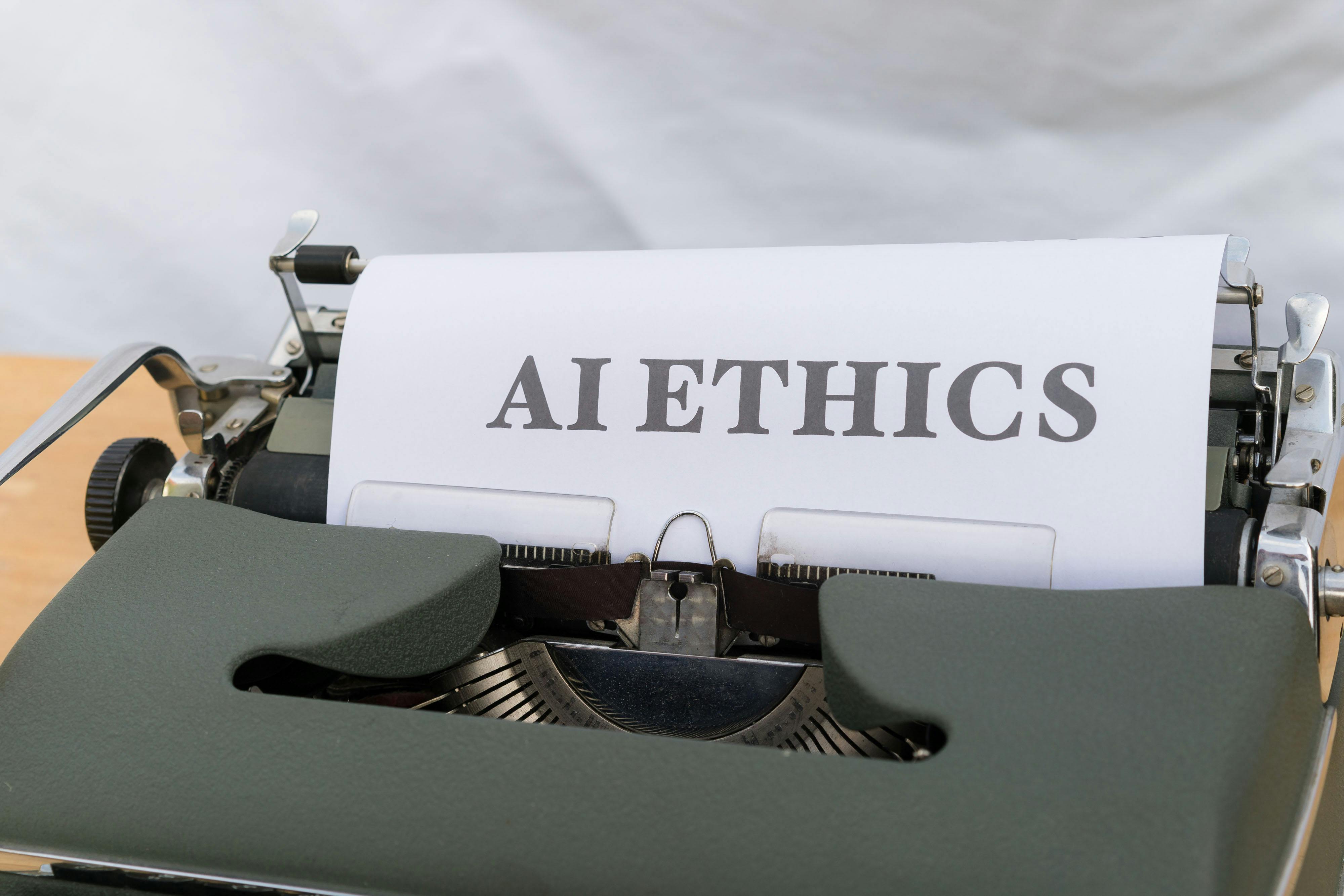
Emerging Regulations and Compliance
The regulatory landscape surrounding AI-generated content is rapidly evolving, with lawmakers and governmental bodies worldwide attempting to establish clear legal frameworks. Businesses leveraging AI content tools must stay abreast of these developments to ensure ongoing compliance and mitigate legal exposure. The U.S. Congress and various federal agencies are particularly active in proposing and studying new legislation.
One notable legislative effort is the proposed Generative AI Copyright Disclosure Act of 2024. This act aims to mandate that any AI-generated content submitted for copyright registration must explicitly disclose the use of generative AI. This moves beyond current U.S. Copyright Office guidance to a formal legislative requirement, emphasizing transparency and accountability in the copyright process. If enacted, this would solidify the need for businesses to accurately track and report AI involvement in their creative workflows.
Another significant piece of proposed legislation is the Establishing the Limitations on Viral, Abusive, and Large-scale Information Suppression (ELVIS) Act. While primarily focused on protecting individual likenesses and voices from unauthorized AI-generated deepfakes and vocal reproductions, the ELVIS Act highlights a broader trend toward protecting creators and individuals from the misuse of generative AI. Its principles of preventing deceptive AI output could influence wider content regulations, particularly concerning attribution and the prevention of misleading AI content.
International approaches also offer insights into the future of AI regulation. The European Union's AI Act, for instance, establishes a risk-based framework, imposing stricter requirements on "high-risk" AI systems, which could include certain generative AI applications depending on their use cases. Other countries are exploring similar regulatory paths, indicating a global move toward responsible AI governance. For businesses operating internationally or serving global audiences, a comprehensive understanding of these diverse legal frameworks is essential for compliance.
The U.S. Copyright Office's ongoing multi-part AI report is a critical resource for understanding upcoming regulations. These reports analyze the impact of AI on copyright law, explore potential legislative solutions, and gather public input on various aspects of AI content creation. Their findings and recommendations will likely shape future policy, providing a roadmap for how copyright law will adapt to generative AI.
For businesses, compliance requirements necessitate a proactive stance. This includes: monitoring legislative developments; implementing internal policies for AI use that align with current guidance and anticipated regulations; maintaining detailed records of AI-generated content and human intervention; and conducting regular legal reviews of content creation processes. Adherence to these evolving legal frameworks is not optional; it is a fundamental aspect of operating responsibly and sustainably in the age of AI.

Ethical Considerations and Best Practices
Beyond legal obligations, the ethical deployment of AI for content generation is paramount for long-term business success and societal well-being. Establishing robust ethical frameworks ensures that AI tools are used responsibly, maintaining integrity, fairness, and accountability. This means moving beyond merely what is legally permissible to what is morally sound.
Key ethical considerations include the potential for AI to perpetuate biases present in its training data, the impact on human creativity and employment, and the overall societal implications of widespread AI-generated content. Businesses must actively address these concerns through thoughtful policy and practice. Ethical frameworks for AI content creation should emphasize human control, transparency, accountability, and the beneficial use of technology.
Specific best practices for businesses using AI content tools include:
- Human Oversight and Control: Implement a mandatory human review stage for all AI-generated content. AI should function as an assistant, not an autonomous creator. Human editors must retain ultimate editorial control over accuracy, tone, and brand alignment.
- Content Review Processes: Establish rigorous, multi-stage review processes that include fact-checking, plagiarism detection, and compliance checks against internal policies and external regulations. This extends beyond legal review to ethical assessments of potential harm or bias.
- Attribution Guidelines: Develop clear internal guidelines for attributing AI involvement. Decide whether to disclose AI use broadly, for specific content types, or only when legally required. Consistency in attribution helps build trust.
- Bias Mitigation: Proactively identify and address potential biases in AI outputs. This involves understanding the training data limitations, scrutinizing generated content for unfair representations, and continuously refining prompts and models to promote equitable and inclusive content.
- Industry-Specific Considerations: Tailor AI usage and ethical guidelines to the specific sensitivities of the industry. For instance, financial services require absolute accuracy and compliance, while creative industries might focus on originality and human artistic contribution.
- Continuous Education and Training: Ensure all content teams are educated on the ethical implications of AI, best practices for responsible use, and the importance of critical evaluation of AI outputs.
- Data Privacy and Security: When using custom AI models or feeding proprietary data, ensure robust data privacy and security measures are in place to protect sensitive information.
Articfly is committed to being a responsible provider of AI-powered content solutions. Our platform is designed to support human oversight and ethical content creation by providing tools that facilitate review and editing. We believe that AI should empower creators, not replace critical human judgment. By integrating ethical considerations into every stage of the content lifecycle, businesses can not only comply with emerging regulations but also foster a culture of responsible innovation, building lasting trust with their audience and stakeholders.

Responsible Innovation in AI Content Creation
The journey through the legal landscape and ethical considerations of AI-generated content reveals a complex yet navigable terrain. Businesses must recognize that while AI offers immense benefits in efficiency and scalability, its deployment comes with significant responsibilities. The fundamental takeaway is clear: while purely AI-generated content cannot claim copyright, businesses can and likely will own the outputs when human authors exercise sufficient creative control and oversight. This necessitates meticulous documentation and clear processes for human intervention.
Furthermore, due diligence is non-negotiable. Proactive measures against plagiarism, rigorous fact-checking, and transparent disclosure of AI involvement are not merely advisable; they are essential for mitigating legal risks, upholding ethical standards, and safeguarding brand reputation. The emerging regulatory environment, exemplified by proposed acts like the Generative AI Copyright Disclosure Act and the U.S. Copyright Office's ongoing reports, signals an accelerating shift towards formalizing these requirements.
Articfly is dedicated to empowering content teams with automation that supports responsible innovation. Our AI-powered platform is engineered to facilitate, not circumvent, the crucial human element in content creation. We understand the importance of legal compliance and ethical responsibility, and our tools are designed with features that aid in review, editing, and ensuring the quality and originality that businesses require. By choosing Articfly, you are opting for a solution that helps you navigate this evolving landscape, ensuring your content is not only efficient and high-quality but also legally sound and ethically produced.
Embrace the future of content creation with confidence. Explore how Articfly can integrate seamlessly into your workflow, supporting your team in generating professional, SEO-optimized blog articles while adhering to the highest standards of legal and ethical practice.