
Understanding the Need for an AI Writing Tool
The growing demand for content is pushing marketers to explore new technological horizons. As digital landscapes become more competitive, the role of AI in scaling production has moved from a luxury to a necessity. Content creators now evaluate tools based on their speed, quality, and alignment with SEO goals.

Efficiency in content production allows teams to focus on strategy rather than just the mechanics of writing. By leveraging these tools, businesses can maintain a consistent publishing schedule that satisfies both readers and search engine algorithms. The right choice depends on specific organizational priorities and output requirements.
Top 3 reasons to use AI writers
- Scaling content production to meet high demand.
- Reducing the time spent on initial research and drafting.
- Maintaining SEO alignment across all published articles.
Integrating AI into your workflow requires a clear understanding of what you want to achieve. Whether you prioritize getting articles out the door quickly or building a deeply structured knowledge base, there is a tool designed for your specific approach. More information on this can be found in our guide on How to Choose an AI Writing Tool or via industry insights from Search Engine Journal.
Writesonic: Speed‑First Overview
Rapid content generation is the primary value proposition offered by Writesonic. This platform is engineered to transform keywords into full blog posts, landing pages, and ad copy in a matter of seconds. It serves users who need to produce a high volume of marketing materials without the long lead times associated with traditional writing.

The interface provides various templates that cater to different formats, making it versatile for multi-channel campaigns. By focusing on speed, it allows solo marketers and small agencies to compete with larger editorial teams. It effectively minimizes the friction between an idea and a published draft.
| Content Type | Manual Writing Time | Writesonic Output Time |
|---|---|---|
| Blog Post (1000 words) | 4-6 Hours | Under 5 Minutes |
| Landing Page Copy | 3 Hours | Under 2 Minutes |
| Social Media Ads | 1 Hour | Seconds |
Core Features
A comprehensive suite of tools powers the Writesonic experience, including an AI article writer and email creator. These features are supplemented by real-time SEO suggestions that help improve the visibility of the content as it is being generated. Collaboration workspaces also allow team members to review and edit drafts collectively.
- AI Article Writer and Generator
- Landing Page and Ad Copy Creator
- Email Marketing Generator
- Real-time SEO Suggestions
- Team Collaboration Workspace
Ideal Use Cases
High-volume content calendars benefit the most from the speed-oriented workflow of this tool. Marketers who need to test multiple landing pages quickly or generate vast amounts of short-form copy find it indispensable. It is particularly useful when the goal is to saturate a market with relevant content in a short timeframe.
"Using AI for our drafting process has significantly reduced our production time, allowing us to focus more on our overall content strategy." — Marketing Professional
For more detailed information, users often refer to the Writesonic tutorial or the official Writesonic feature page. These resources provide deeper insights into how the platform handles various content requests.
Articfly: Structure‑First Overview
A focus on structure sets Articfly apart in the crowded AI writing market. Rather than just generating text, the tool emphasizes a built-in SEO framework that guides the writer through a logical progression. It is designed for those who value coherence and a repeatable process over pure speed.

By utilizing content outlines and pillar mapping, Articfly ensures that every article serves a specific purpose within a broader strategy. This structured approach helps maintain a consistent tone and style, which is crucial for brand identity. It acts as an editorial assistant that keeps your content strategy on track.
Comparison Insight: While Writesonic prioritizes the "how fast," Articfly prioritizes the "how well-organized."
Core Features
Automated outline generation is a core component of the Articfly toolkit. This feature creates a blueprint for articles that includes specific content blocks with embedded SEO tags. Additionally, the revision history allows teams to track changes and maintain a repeatable publishing workflow.
- Automated SEO-driven outlines
- Content blocks with SEO tags
- Pillar content mapping
- Detailed revision history
- Style and tone enforcement
Ideal Use Cases
Long-form pillar articles and SEO-driven content clusters are the primary strengths of this platform. It is best suited for ongoing blogs that require a consistent voice and a deep connection between various topics. Editorial teams looking for a structured, deliberate approach will find it aligns well with their goals.
Mini Case Study
A content agency used a structure-first approach to build a cluster of 20 interconnected articles. By following a rigid outline and SEO tagging system, they achieved a significant increase in topical authority within three months.
Strategists often pair this tool with an SEO strategy guide or consult the Articfly product page for advanced configuration options. This ensures that every piece of content contributed to the long-term health of the website.
Direct Comparison: Speed vs Structure
Directly contrasting these tools requires an analysis of how they handle different content metrics. While Writesonic offers a rapid turnaround that is perfect for solo entrepreneurs, Articfly provides the structural integrity needed for larger editorial teams. The choice ultimately impacts the quality of the drafts and the efficiency of the overall team workflow.
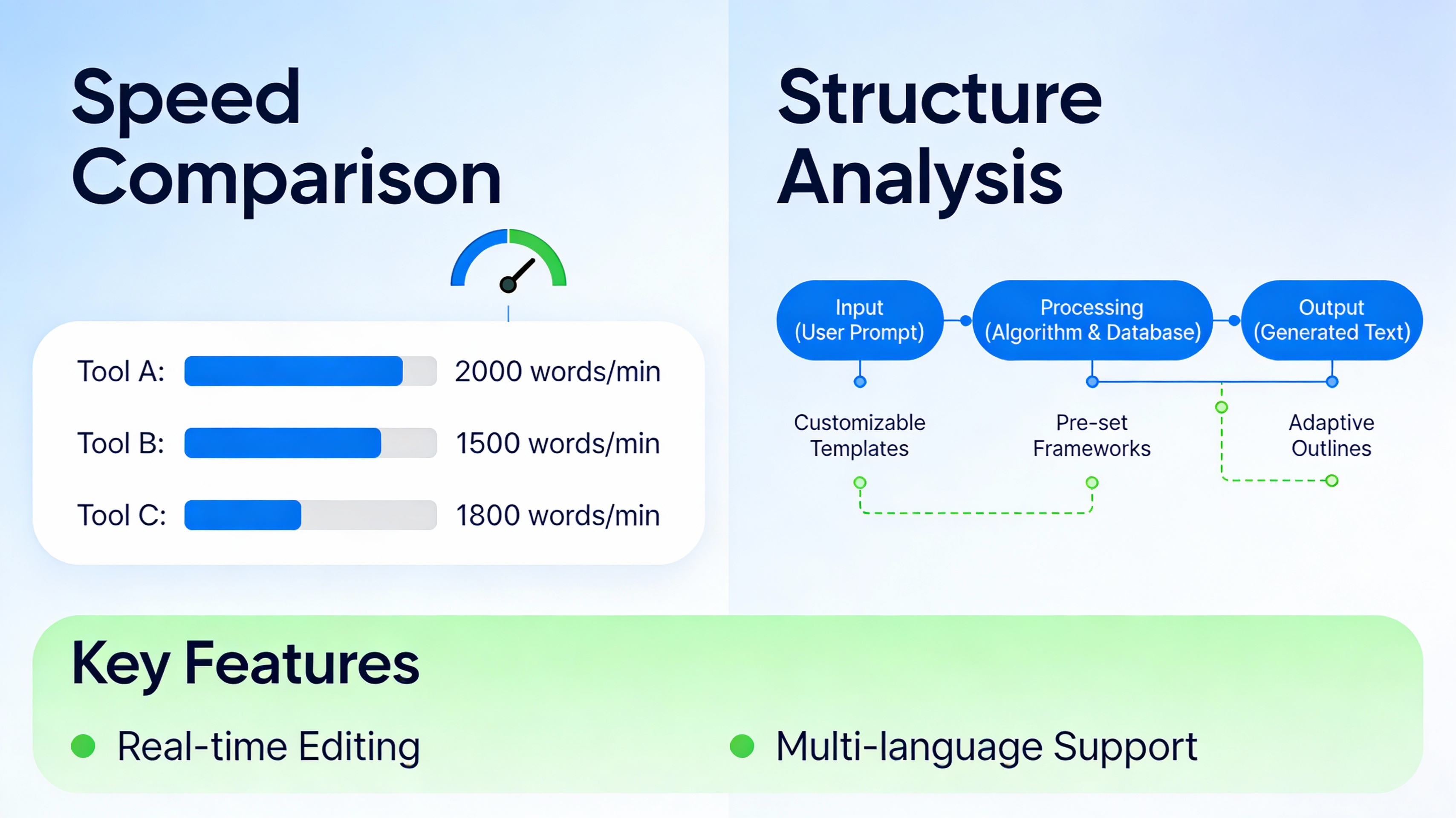
| Feature | Writesonic | Articfly |
|---|---|---|
| Primary Focus | Speed and Volume | Structure and SEO |
| Content Quality | Excellent Drafts | Highly Coherent |
| SEO Integration | Keyword Suggestions | Embedded SEO Outlines |
| Best For | Solo Marketers | Editorial Teams |
Content Quality
Readability and coherence are handled differently by each platform. Writesonic is optimized for creating smooth, readable drafts that are ready for a quick human polish. Articfly focuses on the logical flow of the entire piece, ensuring that transitions and topic sentences are robustly developed.
- Readability: Ease of reading and sentence variety.
- Coherence: Logical progression and topical consistency.
Readability
Active voice and sentence length play a major role in how AI tools communicate. A tool focusing on readability might turn a complex idea into a simple, punchy sentence. Conversely, a tool focused on volume might repeat certain patterns to fill space more quickly.
Coherence
Transitions and topic sentences ensure that the reader can follow the argument from start to finish. A coherent paragraph flows naturally into the next, maintaining the context of the overall article. This is a hallmark of structured AI generation.
SEO Integration
Keyword placement and tagging are essential for search engine success. Writesonic provides a list of suggestions that users can weave into their text during the generation phase. Articfly takes this further by embedding specific SEO tags directly into the outline to ensure they are addressed in the final copy.
Workflow Impact
Team collaboration and speed determine how well a tool fits into an existing process. Solo marketers often prefer the fast turnaround of Writesonic to keep up with daily tasks. Larger teams often find that Articfly’s structured process reduces the need for heavy editing, making the editorial cycle more predictable.
Choosing the Right Tool for Your Blog Strategy
Developing a decision framework is the final step in selecting the right software for your needs. You must weigh your content volume requirements against your ambition for SEO dominance. Factors such as team size, budget, and process maturity should dictate which features are most valuable to your organization.

It is often helpful to consult external resources like G2 for independent reviews or explore Content Planning Templates to visualize your future workflow. Understanding the potential return on investment for your content marketing will help justify the cost of these platforms. Take the time to evaluate how each tool handles your specific niche.
Decision Checklist
A simple evaluation can clarify which tool is the best fit for your current operations. By checking off your specific needs, you can see where the strengths of Writesonic or Articfly align with your goals. Consider your long-term content strategy rather than just your immediate drafting needs.
- Do you need to publish daily content? (Speed)
- Is SEO the primary driver of your traffic? (Structure)
- Are you working alone or with a large team? (Workflow)
- Do you have a strict budget for AI tools? (Cost-effectiveness)
Key Takeaways
- Writesonic is the premier choice for speed and high-volume content generation across multiple formats.
- Articfly provides a superior structure-first approach that is ideal for long-form SEO content and team workflows.
- Choose Writesonic for quick marketing drafts; choose Articfly for building a coherent, SEO-focused knowledge base.
FAQ
Can I use Writesonic and Articfly together?Yes, many teams use Writesonic for quick social media and ad copy while relying on Articfly for their deep, SEO-focused blog pillars.
Which tool is more cost‑effective for a small blog?Writesonic often offers flexible pricing for individual creators, though Articfly provides long-term value through reduced editing time on complex articles.
How do the SEO features differ?Writesonic offers real-time keyword suggestions, whereas Articfly integrates SEO requirements directly into the structural outlines of the content.
Is there a free trial available?Both platforms typically offer trial periods or free tiers, though you should check their respective websites for current terms and limitations.
Which tool integrates better with WordPress?Most major AI writers offer direct exports or plugins for WordPress; check the specific integration list on the official product pages for details.
Next steps for your blog strategy
Take action today by signing up for a free trial of the tool that best fits your workflow. You can also download our comprehensive comparison checklist to help your team make a final decision. Subscribe to our newsletter for more updates and insights into the evolving world of AI content creation.