Stop Chasing Viral Content: The Boring Strategy That Scales
Key Takeaways
Transforming your blog into a growth engine requires a fundamental shift from chasing temporary trends to building a predictable, utility-driven system. For content managers and agency owners, the path to sustainable traffic lies in consistent production and technical optimization rather than the search for a single viral hit.
- Virality is often a distraction that yields high bounce rates and low conversion metrics.
- Utility-first content addresses specific audience problems, leading to higher long-term authority.
- SEO growth compounds over time, making a library of steady performers more valuable than one-off spikes.
- Systematic workflows replace the need for creative breakthroughs with repeatable, data-backed processes.
- Measuring success through internal link health and conversion assets provides a clearer picture of ROI.
The High Cost of the Viral Content Trap
The pursuit of viral success often results in a "lottery" mentality where success is unpredictable, fleeting, and nearly impossible to replicate. For many WordPress site owners, the effort required to create a "viral" post is a high-risk investment that rarely translates into revenue. When a post goes viral, the influx of traffic is usually broad and unfocused, resulting in visitors who consume one piece of content and never return.
This cycle creates an exhausting content treadmill for marketing teams. You spend days or weeks brainstorming a "unique" angle on a trending topic, only for the relevance of that topic to vanish within forty-eight hours. The resources consumed by this process-time, budget, and creative energy-are often stripped away from more sustainable growth activities. This approach leaves your traffic numbers at the mercy of social media algorithms and external trends that you cannot control.
Furthermore, the "ego boost" of shares and likes can be misleading for business health. A post that receives ten thousand shares but zero conversions is an expensive failure in terms of operational efficiency. Serious bloggers and agencies need a strategy where every hour of work translates into a permanent asset that continues to pull in qualified leads long after the initial publication date.
Defining the 'Boring' Blog Strategy
Adopting a 'boring' blog strategy involves focusing on the fundamental questions, pain points, and technical requirements of your specific audience. This utility-first approach prioritizes accuracy and directness over flashy headlines or controversial opinions. While these topics might seem unexciting from a creative standpoint, they are the most profitable assets in a content library because they solve real-world problems.
Why 'Answering Questions' Outperforms 'Being Interesting'
Search engines function primarily as answer engines for users seeking specific information. When a potential customer types a query into a search bar, they are looking for a solution, not a distraction. By focusing your editorial calendar on answering these specific questions, you position your brand as a helpful and reliable authority in your niche.
This relevance is the key to converting visitors into customers. A reader who finds the exact answer to their technical problem on your blog is much more likely to trust your product or service than a reader who was merely "entertained" by a trending opinion piece. Content that provides direct utility builds a level of trust that "interesting" content simply cannot match.
The Anatomy of a High-Utility Article
A high-utility article is defined by its structure and its commitment to the reader's time. It should feature clear, descriptive headings that allow for quick scanning and provide actionable advice in every section. The goal is to move the reader from a state of confusion to a state of clarity as efficiently as possible.
Why Predictable Content Marketing Scales Faster
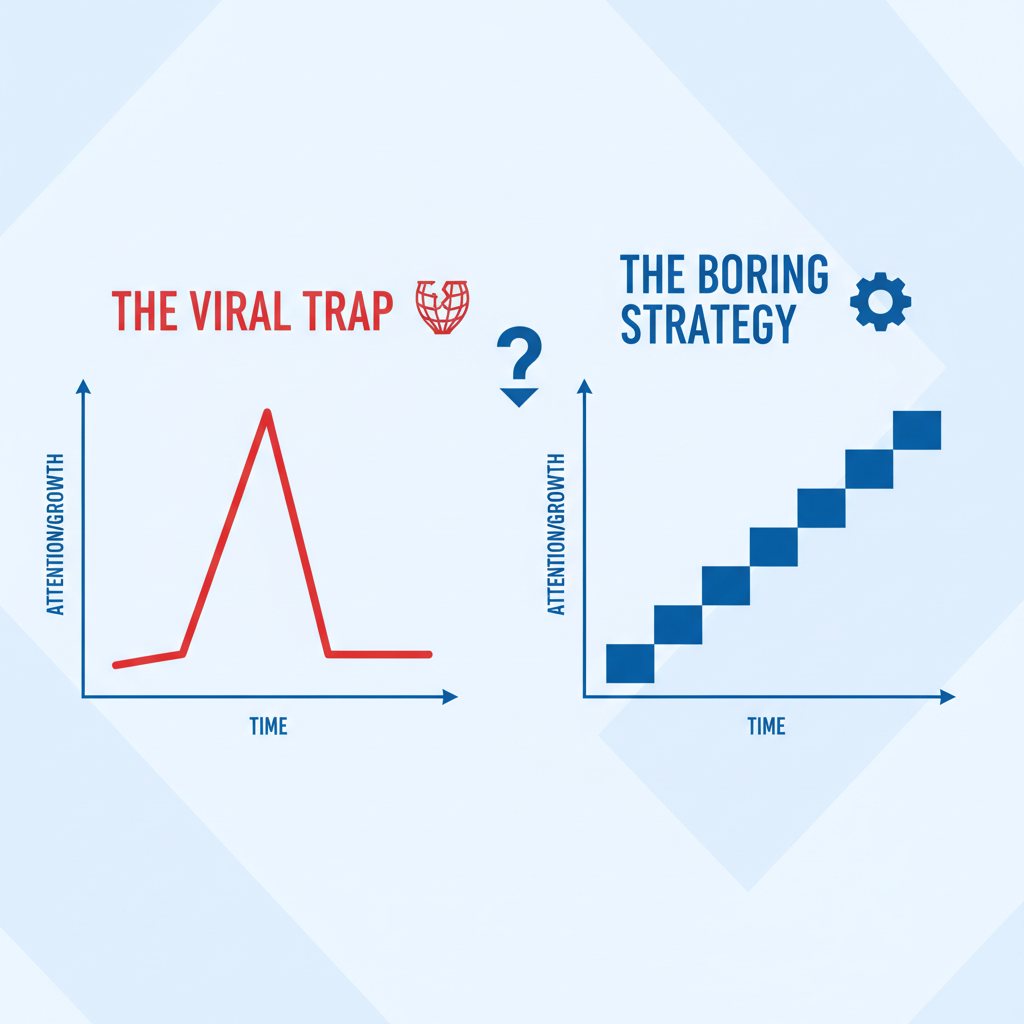
Scalable growth in content marketing is a cumulative process that favors the consistent producer over the occasional "genius." By building a library of assets that each contribute a small but steady stream of organic traffic, you create a foundation of visitors that grows every month. This methodology turns your blog from a cost center into a predictable financial asset with compounding returns.
Compounding Interest in the SEO Ecosystem
SEO results typically follow a compounding curve where the value of past work continues to accrue over time. When you publish a high-utility post today, it might only attract a dozen visitors this week, but those visitors are likely to return in similar numbers every week for years. As you add more posts to the library, the total traffic floor of your website rises significantly.
This is why a strategy focused on ten posts getting one hundred views a month is more resilient than one post getting ten thousand views once. Diversifying your content across many specific search intents protects your site from sudden algorithm shifts or keyword fluctuations. You are essentially building a portfolio of traffic-generating assets that work together to increase your site's overall authority and visibility.
Reducing the Cost Per Acquisition (CPA) Through Evergreen Assets
Every "boring" post you publish serves as a permanent sales representative for your business. Unlike paid advertising, where traffic stops the moment you stop spending, evergreen content continues to attract potential customers for the life of the website. Over a twelve-month period, the total traffic generated by these assets can drive the average cost per acquisition down to a fraction of the cost of traditional ads.
| Trait | Viral Content | Systematic Content |
|---|---|---|
| Traffic Lifecycle | Short-term spike then decay | Long-term compounding growth |
| Success Factor | Algorithm luck and timing | Process and search intent |
| Reader Intent | Casual / Entertainment | High-intent / Problem-solving |
| ROI Stability | Highly volatile | Predictable and steady |
Building a Systematic Content Machine
Establishing a content production system is the only sustainable way to scale your output without burnout or a massive increase in headcount. By moving from a creative-first model to a process-first model, you can ensure that high-quality, optimized content is published on a predictable schedule. This system handles the heavy lifting of ideation, optimization, and distribution, allowing your team to focus on strategy and results.

The 360-Day Editorial Roadmap
A comprehensive editorial roadmap removes the friction of daily decision-making. By mapping out your content for the entire year based on validated search queries and seasonal trends, you ensure that every post serves a specific purpose in your broader marketing strategy. This long-term planning prevents gaps in your publishing schedule and keeps the entire team aligned on the same growth goals.
Planning at this scale also allows for better resource management. You can identify which topics require technical experts, which need specific brand voice adjustments, and how to refresh older posts to prevent content decay. A systematic roadmap ensures that your content machine remains operational even during busy quarters or transitions in staff.
Moving from Ideation to Native WordPress Publication
The technical transition from a draft to a live WordPress post is often where content quality suffers. A truly systematic approach integrates these steps directly into the workflow, ensuring that SEO metadata, schema, and formatting are applied correctly every time. Eliminating the manual back-and-forth between tools reduces the chance of errors and significantly speeds up the publication cycle.
Measuring ROI Beyond the Share Count
Measuring the success of a blog requires looking at metrics that correlate with business revenue rather than social media vanity. To understand the true ROI of your systematic strategy, you must monitor factors like organic growth, internal link health, and the longevity of your assets. These metrics provide a clearer picture of how your content is contributing to your overall search authority and conversion rates.
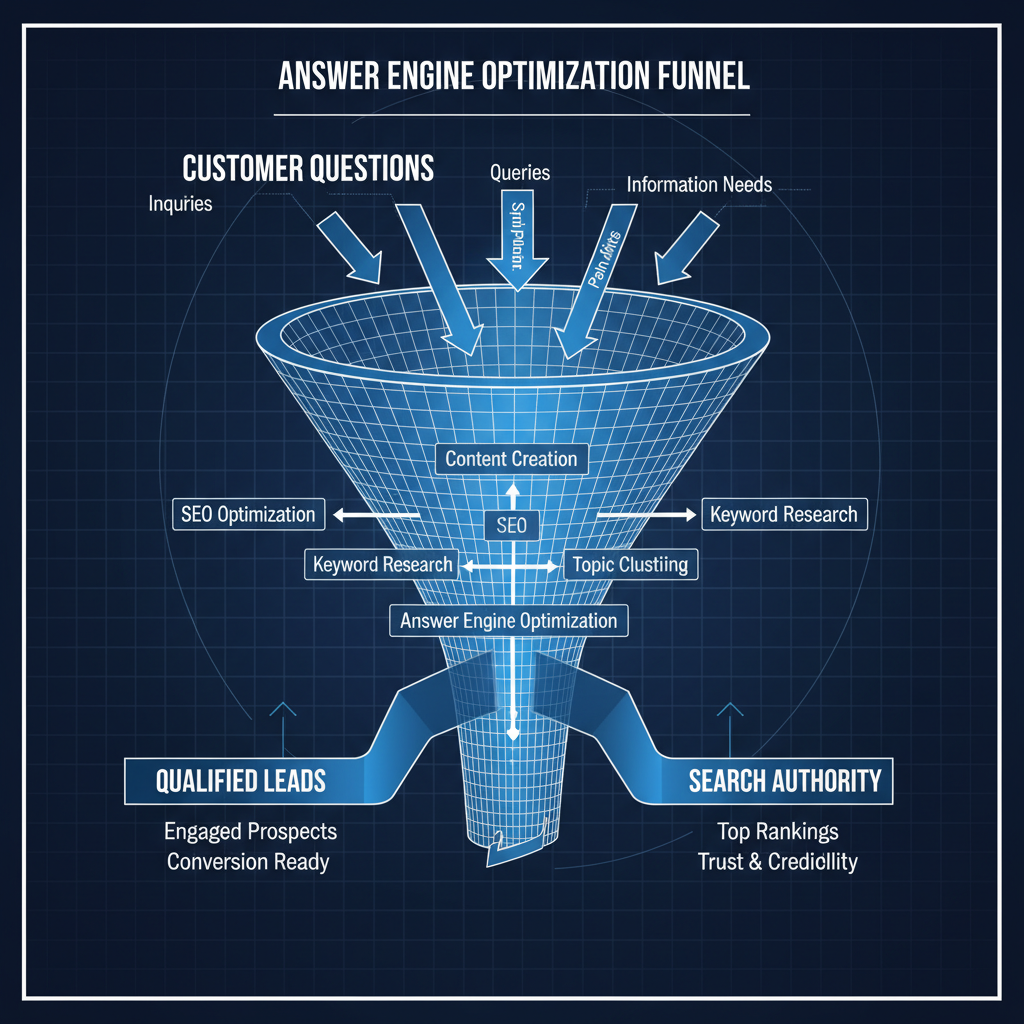
Monitoring content decay is essential for maintaining a healthy content empire. Even the best "boring" content can lose its ranking over time as new competitors emerge or search algorithms change. A systematic approach includes regular refreshes of older posts to ensure they stay accurate and continue to perform at their peak. This proactive maintenance preserves the value of your existing library without requiring the creation of entirely new pieces.
Internal link mapping is another technical metric that serious bloggers must prioritize. By systematically linking utility-based posts to your service or product pages, you create a direct path for the reader to move down the sales funnel. High-utility articles act as the "gateways" to your business, and their success should be measured by how many readers they successfully guide to your core offerings.
Frequently Asked Questions (FAQ)
No, it means the topic itself is driven by utility rather than entertainment. The execution must remain clear, engaging, and professional. You can use a direct tone that respects the reader's time while still maintaining a human and authoritative voice.
How often should I publish to see 'empire-building' results?Consistency is far more important than the raw number of posts. It is better to establish a cadence of one high-quality post per week that you can sustain for a year than to publish ten posts in a month and then stop. Build a schedule you can maintain consistently for the next twelve months.
Can viral content ever be part of a systematic strategy?Yes, but only as a bonus layer at the top of your funnel. Viral content should never be the foundation of your growth. Think of it as a way to occasionally capture a wider audience, while your systematic, utility-based content does the heavy lifting of building authority and driving conversions.
How do I find 'boring' topics that actually convert?Start by looking at your customer support tickets, common sales objections, and specific long-tail search queries. These represent the real, recurring questions your audience has. Answering these questions directly provides immediate value and establishes your site as the go-to resource in your field.
Your next move
Building a predictable content engine begins with an audit of your existing publication habits. Start by reviewing your last ten blog posts to determine if they prioritize short-term virality or long-term utility. Identify the specific questions your customers are asking and map out a thirty-day editorial roadmap focused on providing definitive answers. Finally, evaluate your current production workflow and look for opportunities to implement automated systems that handle the repetitive tasks of optimization and publication. This shift from manual effort to systematic growth is the only way to build a sustainable and scalable blog that produces real results over the long term.
Want the system behind this content?
Join the top 1% of SEOs generating programmatic, high-converting organic traffic completely on auto-pilot.
DEPLOY ARTICFLYMore Articles
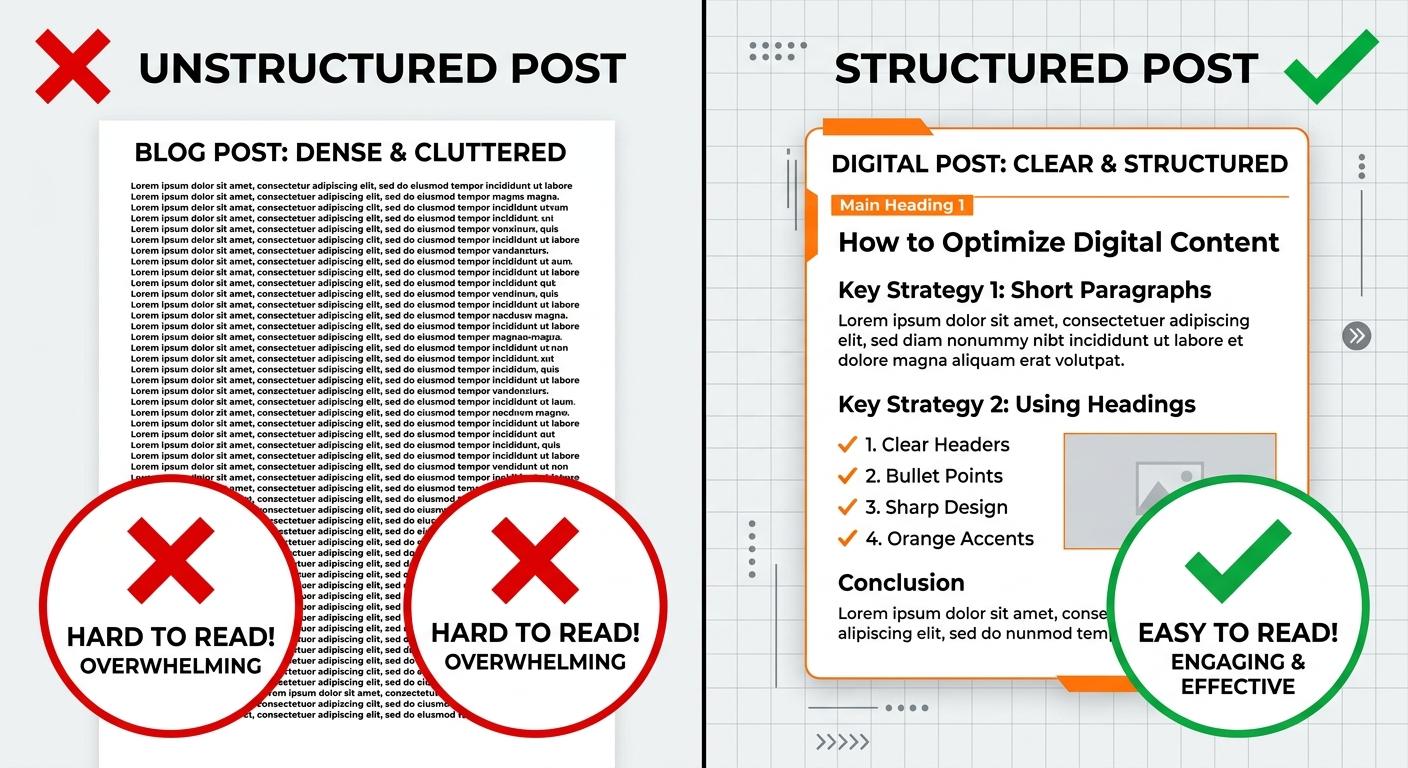
Why People Stop Reading Your Blog Post After 30 Seconds (and How to Fix It)
Most readers decide to stay or leave a blog post within the first 30 seconds. If your bounce rates are high, it's likely due to structural friction, poor hooks, or a lack of immediate value. Learn how to diagnose engagement killers and use AI-driven optimization to keep readers scrolling.
READ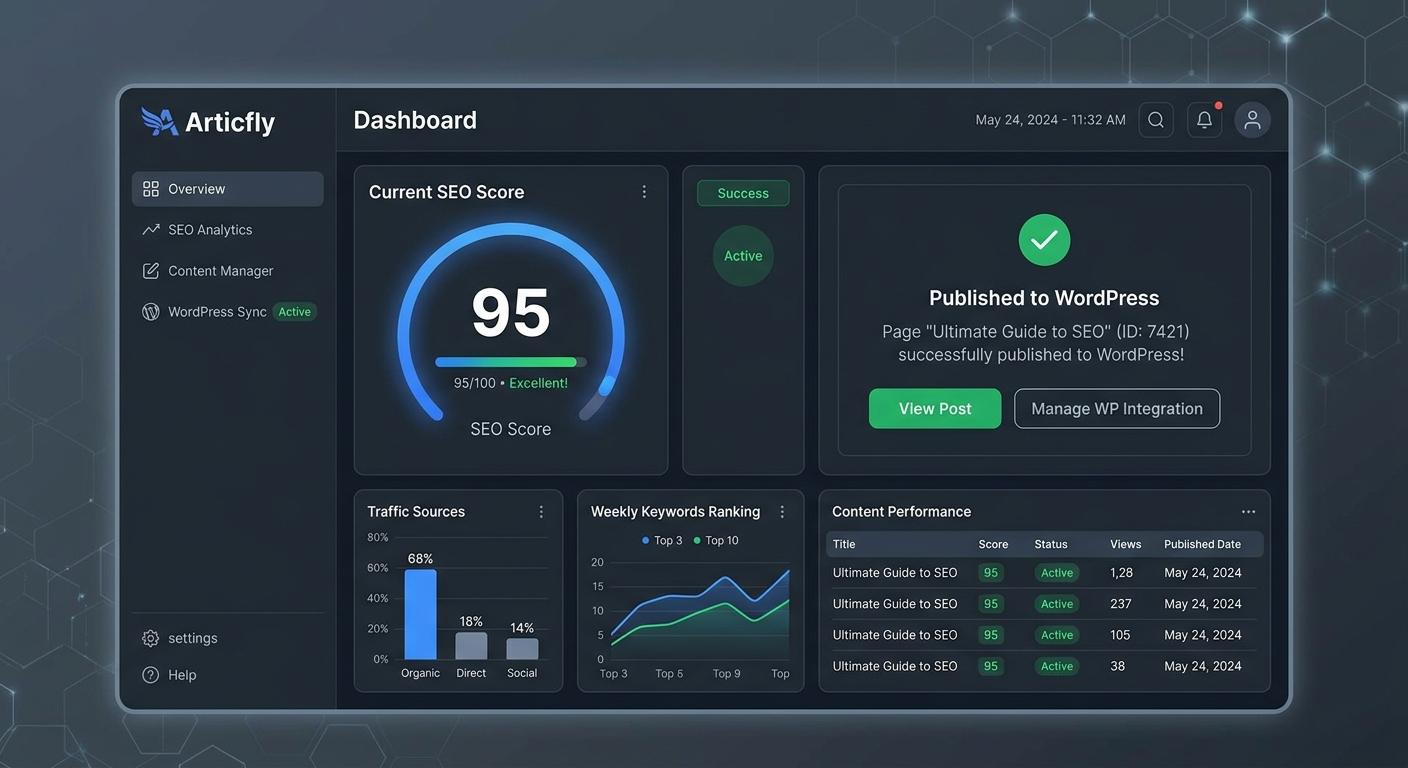
The $15 Blog Post That Brings in $2,000/Month: How AI Content Delivers 130x ROI
Discover the unit economics of high-scale AI publishing. Learn how to leverage Articfly to produce $15 blog posts that generate $2,000 in monthly recurring revenue through SEO optimization, automated publishing, and strategic content refreshing.
READ
Brand Voice in AI Content: How to Stop Your Blog from Sounding Like a Robot
Generic AI content is killing brand authority. Learn how to use Articfly’s Brand Voice Analyzer and Advanced Mode to produce high-scale, SEO-optimized content that sounds like your team, not a machine.
READ