TL;DR: Content syndication offers significant reach but poses SEO risks due to duplicate content. Safeguard your search rankings by implementing canonical tags pointing to your original content. When canonical tags are not feasible, use clear attribution links or partial syndication. Always publish the original first, allow indexing, and monitor results to ensure your syndicated content drives visibility without penalties.
Introduction to Content Syndication Without SEO Penalties
Every content marketer faces a fundamental challenge: creating high-quality, engaging content is only half the battle; ensuring it reaches the widest possible audience is the other. Imagine spending hours crafting an insightful blog post, seeing it perform well on your primary platform, and then wondering how to amplify its reach without jeopardizing your hard-earned search engine rankings. This dilemma is precisely what makes content syndication both an enticing opportunity and a source of potential anxiety for many.
The desire to expand visibility, attract new audiences, and build brand authority often leads marketers to consider republishing their content on third-party sites. However, the fear of "duplicate content penalties" from search engines like Google can be a significant deterrent. Many believe that republishing the same article elsewhere will inevitably lead to a demotion of their original content in search results, or even worse, a negative impact on their site's overall SEO health.
This concern is particularly relevant for smaller sites and emerging brands, where every bit of organic visibility is crucial. They seek to leverage every available channel to compete with larger, more established players. The good news is that content syndication, when executed strategically and correctly, can be a powerful tool for expanded reach without incurring SEO penalties. In fact, statistics indicate its widespread use: approximately 65% of B2B marketers leverage content syndication as part of their strategy, highlighting its perceived value when managed effectively.
This article will guide you through the intricacies of content syndication, detailing how to harness its benefits while meticulously avoiding the pitfalls of duplicate content. We will explore the essential mechanisms, technical implementations, and best practices that enable you to safely expand your content's footprint across the web. The key question is not if you should syndicate content, but rather, how to syndicate content safely and intelligently to maximize its impact.

Understanding Content Syndication and Its Strategic Value
Content syndication is the practice of republishing content that originally appeared on one website onto other third-party platforms. This is distinct from guest posting, where new, unique content is created for another site. With syndication, the exact or slightly modified version of your existing article is shared with a new audience on a different domain. It's akin to a newspaper article being picked up and printed in various local papers, reaching readers who might not subscribe to the original publication.
The strategic benefits of content republishing are multifaceted and significant for any content marketing effort:
- Expanded Audience Reach: The primary advantage is gaining access to new audiences that your original website might not otherwise reach. Platforms like Medium, LinkedIn Pulse, industry-specific publications, or partner blogs often have their own established readership bases, significantly amplifying the exposure of your content.
- Increased Brand Visibility and Awareness: By appearing on multiple reputable platforms, your brand gains broader exposure. Consistent presence across various channels reinforces brand recognition and positions your company as a thought leader within your industry.
- Backlink Opportunities: While direct SEO value from syndicated content requires careful handling, syndicated articles often include a link back to the original source. These attribution links can generate valuable referral traffic and, in some cases, act as indirect signals that contribute to your site's authority over time, especially if the syndicating site is highly authoritative.
- Authority Building and Thought Leadership: When your content is chosen for syndication by respected industry publications, it lends credibility and reinforces your authority. This stamp of approval validates your expertise, establishing you as a trusted voice in your niche.
- Content Longevity and ROI: Syndication breathes new life into evergreen content, allowing it to continue generating value long after its initial publication date. This maximizes the return on investment for your content creation efforts, making your high-quality articles work harder for your brand.
Popular platforms for content syndication include:
- Medium: Many businesses use Medium to republish their blog posts, leveraging its large, diverse readership. Medium offers built-in tools for attributing original content.
- LinkedIn Pulse: Professionals often syndicate their articles on LinkedIn Pulse to reach their professional network and the broader LinkedIn community, enhancing their personal and corporate brand.
- Industry-Specific Publications: Trade journals, online magazines, and niche blogs frequently seek quality content to share with their targeted audiences.
- Partner Blogs and News Sites: Collaborating with complementary businesses or news outlets to syndicate content can be mutually beneficial, expanding reach for both parties.
Content syndication, when approached strategically, transforms a single piece of content into a powerful engine for expanded audience reach, increased brand visibility, and amplified authority, well beyond the confines of your primary domain.
Successful syndication examples abound, from tech companies republishing tutorials on developer sites to marketing agencies sharing insights on industry news platforms. The key is to select syndication partners whose audience aligns with yours and to implement the correct technical safeguards to protect your SEO.
The SEO Danger: Duplicate Content Explained
The primary concern associated with content syndication is the risk of duplicate content. From Google's perspective, duplicate content refers to blocks of content within or across domains that either completely match other content or are substantially similar. While Google explicitly states that duplicate content does not automatically incur a "penalty" in the traditional sense, it can create significant problems for search engine algorithms and, consequently, for your SEO performance.
The core issue arises because search engines strive to provide the best possible user experience by showing only the most relevant and authoritative version of a piece of content. When multiple identical or near-identical versions of an article exist, search engines face a dilemma:
- Which version should be ranked for a given query?
- Which version should receive the link equity and authority signals?
- Should all versions be shown in search results, cluttering the SERP with redundant information?
To resolve this, search engine algorithms typically try to identify the "original" or "preferred" version and prioritize it. However, without explicit instructions, the algorithm might incorrectly assign authority to a syndicated version rather than your original. This can lead to a phenomenon where your syndicated content, hosted on a potentially more authoritative third-party domain, outranks your original article for relevant keywords. When this happens, your site loses organic traffic, potential backlinks, and the opportunity to establish its own authority.
Ahrefs research highlights this risk vividly. In a study, they found that 99.9% of syndicated content pieces that lacked a proper canonical tag or other SEO signals gained virtually no search visibility, while even those with correct canonicalization saw a 62% decrease in visibility compared to the original. This demonstrates the critical need for proper SEO implementation to guide search engines.
Google's approach to duplicate content involves what is often referred to as "forced canonicalization." If Google identifies multiple similar pages, and you haven't specified a preferred version using a canonical tag, it will attempt to choose one itself. This choice is based on various internal signals, such as link equity, site authority, and publication date. The version Google chooses might not be your original, leading to fragmented search performance and diminished visibility for your primary domain. This process means that even if Google doesn't penalize your site, it might simply ignore or devalue your original content in favor of another version, effectively burying your efforts.
The risk isn't just about rankings; it also impacts crawling and indexing. If search engines spend too much time crawling multiple duplicate versions of your content, it can deplete your "crawl budget," potentially delaying the indexing of new, unique content on your site. Therefore, managing duplicate content isn't just about avoiding penalties; it's about optimizing how search engines understand and value your content assets.
The Canonical Tag Solution: Technical Implementation
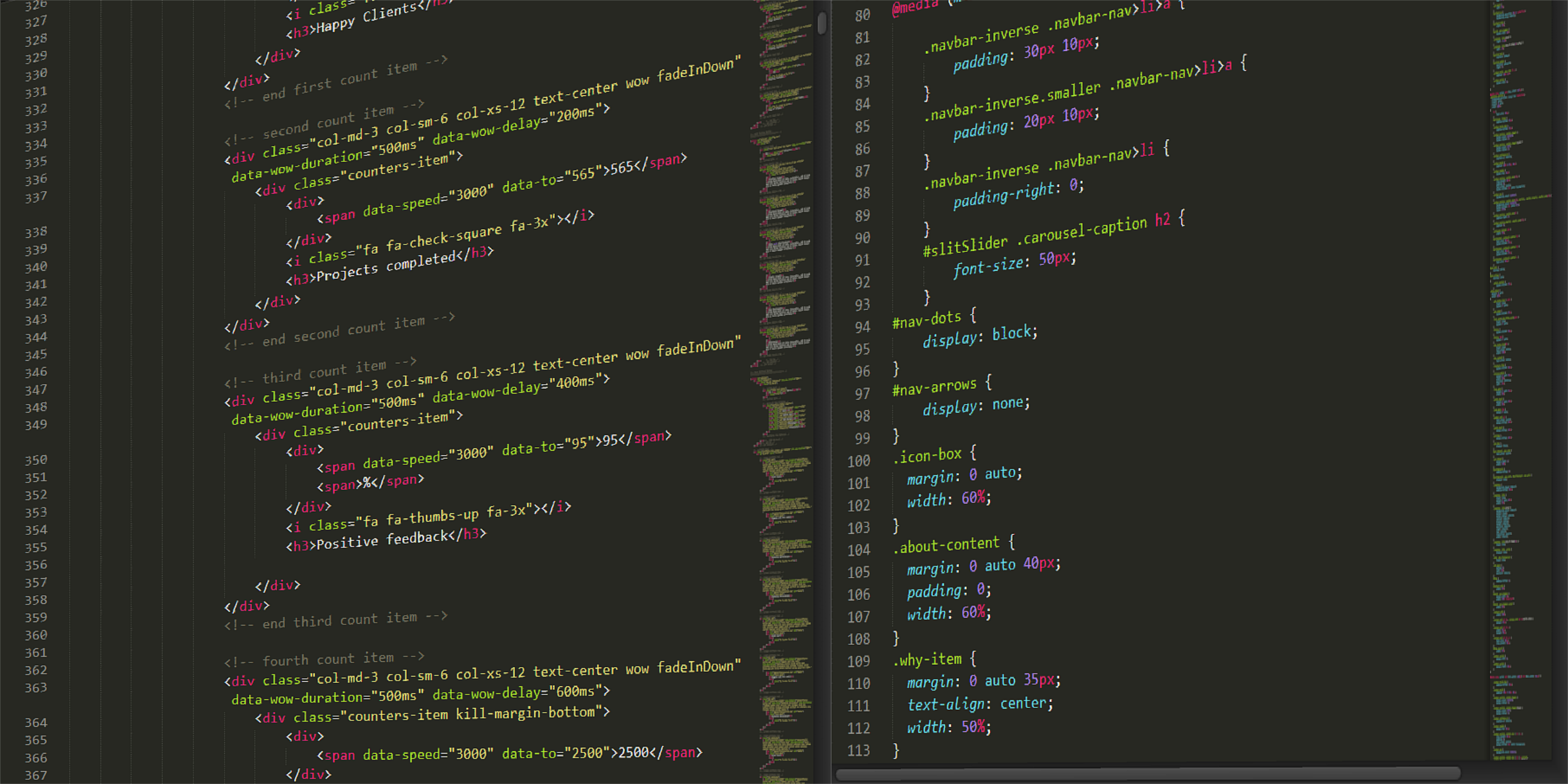
The most robust and widely accepted method for handling duplicate content created by syndication, and for guiding search engines to your preferred version, is the implementation of the rel=canonical tag. A canonical tag is an HTML link element with the attribute rel="canonical" placed in the <head> section of an HTML document. It specifies the "canonical" or "preferred" URL for a page, telling search engines that this specific URL is the master version of that content, and that any other identical or very similar pages should be treated as duplicates of it.
When a search engine encounters a page with a rel=canonical tag pointing to another URL, it transfers the ranking signals (such as link equity) from the current page to the specified canonical URL. This effectively consolidates the value of all duplicate versions onto a single, primary source, preventing dilution of authority and ensuring your original content ranks appropriately.
How rel=canonical Works
The canonical tag is implemented within the <head> section of the syndicated page. It should always point back to the URL of your original content. For instance, if your original article is at https://www.yourwebsite.com/original-article/ and it is syndicated on https://www.syndicatedsite.com/your-article/, the syndicated page on syndicatedsite.com would include the following tag:
<link rel="canonical" href="https://www.yourwebsite.com/original-article/" />This tag explicitly informs search engines that https://www.yourwebsite.com/original-article/ is the definitive source and that all SEO value should be attributed to it.
Cross-Domain Canonical Tags
For content syndication, you will primarily use cross-domain canonical tags. This means the canonical tag on the syndicated page (on a different domain) points back to your original domain. This is perfectly acceptable and the intended use case for syndication. Google, in particular, views these as a strong hint and typically respects them.
Step-by-Step Implementation Guide
Implementing a canonical tag for syndicated content involves a collaborative effort with the syndicating partner:
- Request Implementation: When agreeing to syndicate content, explicitly request that the syndicating partner includes the
rel="canonical"tag in the HTML<head>of the syndicated article, pointing to your original URL. - Provide the Exact URL: Furnish the syndicating partner with the precise and complete URL of your original article. Ensure it is the canonical version you wish to be indexed (e.g., using HTTPS, non-www or www consistently).
- Verify Implementation: After the syndicated content is published, immediately check the source code of the syndicated page.
- Right-click on the syndicated page and select "View Page Source" or "Inspect Element."
- Search for
rel="canonical"within the<head>section. - Confirm that the
hrefattribute correctly points to your original article's URL.
- Monitor with Google Search Console: Use Google Search Console to monitor the indexing status of your original content. If Google is consistently choosing another page as canonical, GSC will often report it under the "Index > Pages > Page with redirect" or "Duplicate, Google chose different canonical than user" section.
Self-Referencing vs. Cross-Domain Canonical Tags
It's important to understand the distinction:
- Self-Referencing Canonical Tag: This is a canonical tag on a page that points to itself. For example, on
https://www.yourwebsite.com/original-article/, the canonical tag would be<link rel="canonical" href="https://www.yourwebsite.com/original-article/" />. This is considered a best practice for all pages on your own site to prevent internal duplicate content issues (e.g., due to URL parameters or trailing slashes). - Cross-Domain Canonical Tag: This is what you use for syndication, where the canonical tag on
https://www.syndicatedsite.com/your-article/points tohttps://www.yourwebsite.com/original-article/.
Both are crucial for comprehensive SEO. Your own site should use self-referencing canonicals, and syndicated versions of your content should use cross-domain canonicals pointing back to your self-referenced original.
Tools like browser extensions (e.g., "Canonical Tag Checker" for Chrome) or SEO auditing tools (e.g., Screaming Frog, Ahrefs, Semrush) can quickly check for canonical tag implementation on any given URL. Regular monitoring ensures that your syndication efforts are always SEO-safe.

Alternative Strategies When Canonical Tags Aren't Possible
While the rel=canonical tag is the gold standard for safe content syndication, there are situations where its implementation may not be possible. Some third-party platforms do not offer the ability to insert custom HTML into the <head> section of their pages. In such cases, alternative strategies are necessary to minimize SEO risks and ensure your original content retains its authority.
1. "Originally Published On" Attribution with a Link
This is the most common and effective alternative. It involves prominently placing a clear attribution statement at the beginning or end of the syndicated article, along with a direct hyperlink to your original content. This serves as a strong signal to both users and search engines about the original source.
Best Practices for Attribution Language and Link Placement:
- Clear and Concise: The attribution should be unambiguous.
- Prominent Placement: Position it where it's easily noticeable, typically at the very top or bottom of the article.
- Direct Link: Ensure the link is a direct, followed (dofollow) link to your original article. Avoid nofollow unless explicitly required by the syndicating platform.
- Anchor Text: Use descriptive anchor text like "Originally published on [Your Website Name]" or "Read the full article on [Your Website Name]."
Example Attribution:
This article was originally published on <a href="https://www.yourwebsite.com/original-article/">Your Website Name</a>.This method doesn't carry the same technical weight as a canonical tag, but it guides users to your site and signals to search engines that the content is republished. Google's algorithms are sophisticated enough to understand such signals, especially when accompanied by a robust link profile for your original content.
2. Partial Content Syndication with "Read More" Links
Instead of republishing the entire article, you can syndicate a portion of it (e.g., the first few paragraphs or a summary) and then include a compelling "Read More" link that directs users to the full article on your website. This strategy ensures that your original content remains the definitive, complete version, driving traffic directly to your domain for the full experience.
Advantages:
- Minimizes duplicate content risk significantly.
- Drives direct referral traffic to your site.
- Encourages engagement with your full site experience.
Best Practices:
- Syndicate enough content to entice the reader but not so much that they don't need to visit your site.
- Ensure the "Read More" call-to-action is clear and prominent.
- Use a direct link to your original article.
3. Using the noindex Meta Tag (for Partner Sites)
In certain scenarios, particularly if you're syndicating to a partner site that is not highly authoritative or if you want to ensure absolutely no SEO value is passed from the syndicated version, you can request the syndicating partner to add a noindex meta tag to the syndicated page. This tag instructs search engines not to index the page at all.
Example Implementation:
<meta name="robots" content="noindex" />This method guarantees that the syndicated version will not appear in search results, thus eliminating any duplicate content issues. However, it also means the syndicated page won't contribute to search visibility directly, limiting one of the potential benefits of syndication.
Platform-Specific Guidance
- Medium: Medium has a built-in "import story" feature that automatically adds a
rel="canonical"tag pointing to your original URL. This is the preferred method for syndicating to Medium. - LinkedIn Pulse: For LinkedIn, use the "Publish a post" feature and then select the "Write an article" option. While LinkedIn doesn't offer a direct canonical tag input, you can place a clear "Originally published on [Your Website Name]" link at the top or bottom of your post.
- Other Blogs/Publications: Always prioritize requesting a
rel=canonicaltag. If that's not possible, fall back to a prominent "Originally published on" attribution link.
The choice of alternative strategy depends on the platform's capabilities and your specific goals. While canonical tags offer the most control, these alternatives provide viable ways to expand reach without significant SEO risk when direct canonical implementation isn't an option.

Step-by-Step Content Syndication Workflow
A systematic approach is essential for successful and SEO-safe content syndication. Following a clear workflow minimizes risks and maximizes the benefits of expanded reach.
-
Publish Original Content First
Always publish the original, complete version of your content on your own website first. This establishes your site as the primary source from the outset. Ensure the article is complete, well-optimized for SEO, and includes a self-referencing canonical tag.
-
Wait for Google Indexing
Allow Google and other search engines sufficient time to discover, crawl, and index your original article. This typically takes a few hours to a few days, but can vary. You can expedite this by submitting your sitemap to Google Search Console and requesting indexing for the specific URL. Verifying that your original page appears in Google search results for its title or a unique phrase is a good indicator that it has been indexed.
-
Choose Your Syndication Method and Partners
Identify which content pieces are suitable for syndication (e.g., evergreen content, high-performing articles). Select reputable third-party platforms or partner websites whose audiences align with your goals. Discuss with them the preferred syndication method:
- Full article with
rel=canonicaltag. - Full article with "Originally published on" attribution link.
- Partial article with "Read more" link.
Prioritize partners who are willing to implement
rel=canonical. - Full article with
-
Implement Canonical Tags or Attribution
Based on the agreed-upon method:
- For Canonical Tags: Provide the exact, canonical URL of your original article to the syndicating partner and confirm they have added the
<link rel="canonical" href="[YOUR_ORIGINAL_URL]" />tag to the<head>section of the syndicated page. - For Attribution Links: Ensure a clear "Originally published on <a href='[YOUR_ORIGINAL_URL]'>Your Website Name</a>" statement is included at a prominent position (top or bottom) of the syndicated article.
- For Partial Syndication: Provide the excerpt and a clear call-to-action link to your original page.
- For Canonical Tags: Provide the exact, canonical URL of your original article to the syndicating partner and confirm they have added the
-
Monitor Results and Performance
After syndication, it's crucial to monitor the impact on your original content and the syndicated versions.
- Google Search Console: Check "Index > Pages" report for any unexpected canonicalization issues. Monitor traffic patterns to your original articles.
- Google Analytics: Track referral traffic from syndicated sites to your original articles. Set up custom segments or UTM parameters to specifically analyze traffic from syndicated sources.
- Backlink Tools: Use tools like Ahrefs or Semrush to monitor new backlinks generated from syndicated content and ensure they point to your original.
- Manual Checks: Periodically review the syndicated pages to ensure canonical tags or attribution links remain intact and functional.
Adhering to this systematic workflow ensures that your content syndication strategy is not only effective in expanding your reach but also fully compliant with SEO best practices, protecting your valuable search rankings.
Common Mistakes and How to Avoid Them in Content Syndication
Even with the best intentions, several common errors can undermine content syndication efforts and lead to unintended SEO consequences. Awareness and prevention are key.
-
Syndicating Before Original Content is Indexed
Mistake: Publishing your article on a third-party site before Google has had a chance to crawl and index your original version. A fast-indexing syndication partner might get their version indexed first, potentially leading Google to perceive their version as the original.
Prevention: Always publish on your own site first. Use Google Search Console to submit your sitemap and request indexing for the new URL. Wait at least a few hours, or ideally 24-48 hours, to ensure your original page is indexed before allowing syndication. Verify its presence in Google's index by searching for a unique phrase from the article.
-
Forgetting Attribution Links or Canonical Tags
Mistake: Republishing content without any clear indication of the original source, either through a
rel=canonicaltag or an "Originally published on" link. This is the most direct path to duplicate content issues and the risk of your original being outranked.Prevention: Make canonical tag implementation or clear attribution a non-negotiable part of your syndication agreement. Double-check the syndicated page immediately after publication to confirm the tag or link is correctly placed and functional.
-
Incorrect Canonical Tag Implementation
Mistake: Using an incorrect URL in the
hrefattribute of the canonical tag, pointing to a non-existent page, a different article, or an HTTP version when the original is HTTPS. Another mistake is having multiple canonical tags on one page, which Google will ignore.Prevention: Always provide the precise, full, and canonical URL of your original page (e.g.,
https://www.yourdomain.com/path/to/article/, ensuring HTTPS and consistent www/non-www). Verify the source code of the syndicated page to confirm only one canonical tag is present and points to the correct URL. -
Syndicating to Low-Quality or Spammy Sites
Mistake: Choosing syndication partners with poor domain authority, a history of spam, or low content quality. Associating your content with such sites can negatively impact your brand reputation and potentially signal to search engines that your content is low quality.
Prevention: Be selective with your syndication partners. Prioritize reputable, industry-relevant sites with established audiences and good SEO standing. Conduct a quick site audit before partnering, checking for spammy backlinks, content quality, and overall site health.
-
Not Monitoring Syndication Performance
Mistake: Setting up syndication and then failing to monitor its impact on referral traffic, search performance, and link acquisition. This can lead to missed opportunities for optimization or an inability to detect and fix issues promptly.
Prevention: Integrate syndication monitoring into your regular SEO and analytics routine. Use Google Analytics to track referral traffic. Periodically check Google Search Console for canonicalization errors. Use SEO tools to track backlinks and keyword rankings for both your original and syndicated content.
By understanding these common pitfalls and implementing proactive prevention strategies, content marketers can leverage syndication effectively and safely, avoiding detrimental effects on their SEO.

Measuring Success and ROI of Content Syndication
To ensure content syndication is a worthwhile endeavor, it is crucial to measure its effectiveness and understand its return on investment (ROI). Simply republishing content is insufficient; you must track specific metrics to gauge its impact on your broader marketing objectives.
Key Metrics for Syndication Success
- Referral Traffic: This is arguably the most direct measure. How much traffic is driven from the syndicated platforms back to your original article or website? High referral traffic indicates that your syndicated content is engaging new audiences and enticing them to learn more.
- Backlink Acquisition: While canonical tags pass SEO value, well-placed attribution links or mentions in syndicated content can still generate direct backlinks to your original domain. Monitor the number and quality of new backlinks acquired due to syndication.
- Brand Mentions: Beyond direct links, syndication increases brand visibility. Track mentions of your brand across social media, forums, and other online platforms. Tools like Google Alerts or social listening software can help here.
- Social Shares and Engagement: How often is the syndicated content shared on social media? While it's not direct SEO, increased social engagement indicates broader reach and resonance with new audiences.
- Lead Generation/Conversions: Ultimately, content marketing aims to drive business outcomes. Can you attribute new leads or conversions to traffic originating from syndicated sources? This requires robust analytics tracking.
Google Analytics Setup for Tracking Syndicated Content
To accurately track referral traffic from syndicated sources in Google Analytics:
- UTM Parameters: The most effective method is to use UTM parameters on the links pointing from your syndicated content back to your site. For example:
https://www.yourwebsite.com/original-article/?utm_source=medium&utm_medium=syndication&utm_campaign=article-titleThis allows you to see exactly which syndicated source, medium, and campaign drove traffic. - Custom Segments: Create custom segments in Google Analytics to isolate traffic from specific syndicated domains. This provides an overview of how these sources contribute to your site's overall performance.
- Behavior Flow: Analyze the user journey of visitors coming from syndicated sources to understand what other content they engage with on your site.
Tools for Monitoring Canonical Tag Effectiveness
While Google Search Console is your primary tool for canonicalization issues, third-party SEO tools can provide additional insights:
- Ahrefs/Semrush: These tools allow you to check the canonical tags on any URL and can report on duplicate content issues, helping you identify if Google has picked an unexpected canonical URL for your content.
- Screaming Frog SEO Spider: This desktop crawler can quickly audit a list of syndicated URLs (if you have access) to confirm the correct canonical tag implementation en masse.
ROI Calculation Examples
Calculating the ROI of syndication involves weighing the benefits (e.g., increased traffic value, leads generated) against the costs (e.g., time spent managing syndication, any fees for premium placement). For example:
- If syndication drives an additional 1,000 visitors to your site, and your average visitor value is $5, that's $5,000 in direct value.
- If it results in 10 new high-quality backlinks, each valued at $X (based on their domain authority), you can quantify that benefit.
- If it contributes to 5 new leads, and your lead-to-customer conversion rate and customer lifetime value are known, you can calculate the monetary impact.
By meticulously tracking these metrics, you can refine your syndication strategy, identify which platforms and content types yield the best results, and confidently demonstrate the value of your content republishing efforts.

Safe Syndication for Sustainable Growth
Content syndication is a powerful, yet often misunderstood, strategy for expanding your content's reach. The apprehension surrounding duplicate content and SEO penalties is valid but can be entirely mitigated with the correct technical implementation and strategic planning. By prioritizing the rel=canonical tag, and understanding its function as a signal to search engines, you can confidently share your valuable content across multiple platforms without fear of damaging your original site's authority.
When canonical tags are not an option, alternative strategies such as clear "Originally published on" attribution links or partial content syndication with "read more" calls-to-action provide effective pathways to broaden your audience while safeguarding your SEO. Crucially, a systematic workflow that includes publishing your original content first, allowing for proper indexing, and diligently monitoring results is non-negotiable for success.
Embrace content syndication not as a risk, but as an intelligent growth strategy. With precise execution of canonical tags, diligent attribution, and continuous performance monitoring, you can unlock significant audience expansion, bolster brand visibility, and establish undeniable thought leadership. Content syndication, when done correctly, ensures your high-quality content continues to work harder for your brand, driving sustainable growth in an increasingly crowded digital landscape. Leverage these strategies to expand your reach and maximize your content's impact without compromise.