
TL;DR: AI is rapidly transforming SEO audits, making manual methods obsolete. This shift enables businesses to achieve faster diagnostics, gain deeper insights into their online presence, and significantly reduce operational costs. Embracing AI-powered tools is now a strategic imperative for maintaining competitive advantage and driving substantial organic growth in the digital landscape.
Spis treści:
- The AI Revolution in SEO Audits: Why Manual Methods Are Obsolete
- Traditional vs. AI-Powered SEO Audits: A Side-by-Side Comparison
- Key AI Capabilities Transforming SEO Diagnostics
- Real-World Benefits: Faster Diagnostics, Deeper Insights, Lower Costs
- Top AI-Powered SEO Audit Tools in 2024: Features and Comparisons
- Implementing AI SEO Audits: Best Practices and Workflow Integration
- Future Trends: Where AI SEO Audits Are Headed Next
- Conclusion: Embracing the AI-Powered Future of SEO Audits
The AI Revolution in SEO Audits: Why Manual Methods Are Obsolete
The landscape of Search Engine Optimization has undergone a seismic shift, fundamentally changing how businesses approach their online presence. Once dominated by laborious manual spreadsheet audits, the process of evaluating website performance for search engines is now being revolutionized by Artificial Intelligence. This evolution from tedious, human-intensive tasks to sophisticated, AI-powered automated systems marks a pivotal moment, demanding that businesses adapt swiftly to remain competitive.
Current market trends unequivocally highlight this paradigm shift. Industry surveys reveal that a significant 85% of SEO professionals now actively integrate AI tools into their audit processes. This widespread adoption underscores a growing recognition that traditional audit methodologies are no longer sufficient. Manual audits, despite best intentions, are inherently plagued by human error, are severely time-constrained, and critically, lack the capacity to process the colossal datasets characteristic of modern websites.
These traditional limitations often lead to missed opportunities, delayed problem identification, and an incomplete understanding of a site's true SEO health. In today's dynamic digital ecosystem, where search algorithms constantly evolve and competition intensifies, relying solely on outdated manual checks is a recipe for stagnation. The sheer volume and complexity of data points – from technical infrastructure to content relevance, user experience, and backlink profiles – far exceed human analytical capabilities within practical timeframes.
The real-world impact of this AI integration is profound and measurable. For instance, numerous companies have leveraged AI-powered audits to achieve unprecedented growth. One notable example involved a major e-commerce platform that, after implementing an AI-driven audit strategy, saw its organic traffic surge by over 300% within a single year. This remarkable increase wasn't merely due to identifying basic errors; it stemmed from AI's ability to uncover deeply buried technical issues, analyze complex user behavior patterns, and pinpoint precise optimization opportunities that manual reviews would have overlooked. This demonstrates that AI is not just an efficiency tool, but a powerful catalyst for substantial, data-driven organic growth.

Traditional vs. AI-Powered SEO Audits: A Side-by-Side Comparison
To truly grasp the transformative power of AI in SEO, it's essential to conduct a direct comparison between traditional, manual audit methods and their AI-powered counterparts. The stark differences highlight why modern businesses are increasingly abandoning outdated practices in favor of advanced automated solutions. This side-by-side analysis reveals not only efficiencies but also a profound difference in the depth and quality of insights achieved.
Consider the most immediate distinction: time. A comprehensive manual SEO audit, depending on the website's size and complexity, can consume anywhere from 8 to 40 hours of an expert's valuable time. This includes data collection, analysis, error identification, and report generation. In stark contrast, an AI-powered audit can complete the same scope of work, often with greater accuracy, in a mere 5 to 15 minutes. This drastic reduction in time frees up SEO professionals to focus on strategy and implementation, rather than painstaking data compilation.
Accuracy is another critical metric where AI far surpasses human capabilities. Manual audits are inherently susceptible to human error, with reported error rates ranging from 15% to 25%. This can lead to misdiagnosed issues, overlooked critical problems, and suboptimal recommendations. AI systems, designed for consistency and precision, boast a 99%+ accuracy rate in identifying technical errors and patterns. Their ability to process and cross-reference vast amounts of data without fatigue ensures a level of reliability that human auditors simply cannot match.
Scalability presents another significant challenge for traditional methods. Manual audits struggle immensely with websites exceeding 500 pages, quickly becoming impractical and cost-prohibitive. Imagine trying to manually check every broken link, duplicate content instance, or schema markup error on an enterprise site with millions of pages. AI, however, is built for scale, effortlessly handling websites with millions of pages, providing comprehensive analysis regardless of the site's size without a proportionate increase in effort or time.
The financial implications are also considerable. Engaging an agency for a thorough manual SEO audit can cost anywhere from $2,000 to $10,000 or more, depending on the project's scope and the agency's expertise. While this investment can be valuable, it's often a one-time snapshot. AI-powered tools, typically offered as SaaS subscriptions, range from $100 to $500 per month, providing continuous, on-demand auditing capabilities at a fraction of the traditional cost over time. This makes sophisticated SEO insights accessible to a broader range of businesses, from startups to large enterprises.
Finally, the depth of analysis differs dramatically. Manual audits often provide surface-level checks, focusing on common issues like meta tags, basic crawl errors, and keyword density. While important, this approach can miss underlying architectural or advanced content problems. AI diagnostics, conversely, offer comprehensive analysis, diving deep into intricate technical issues, complex content relevance, user intent, predictive performance, and competitive intelligence, providing a truly holistic view of a website's SEO health and potential.
Key AI Capabilities Transforming SEO Diagnostics
The power of AI in SEO audits stems from a suite of advanced technologies that enable machines to process, analyze, and interpret data in ways far beyond human capacity. Understanding these core capabilities is key to appreciating the depth of insight AI brings to modern SEO diagnostics. These technologies are not just automating tasks; they are fundamentally redefining what's possible in site optimization.
One of the most significant advancements is Natural Language Processing (NLP). NLP allows AI to understand, interpret, and generate human language. In SEO audits, this means AI can analyze content relevance, readability, and critically, user intent far beyond simple keyword density checks. It can identify topical gaps, assess the semantic relationship between keywords, and determine how well a piece of content addresses the underlying queries of users. This moves content optimization from a keyword-stuffing game to a sophisticated strategy focused on comprehensive user value.
Machine Learning (ML) algorithms are the backbone of AI-powered audits. These algorithms are trained on vast datasets of successful and unsuccessful websites, allowing them to identify complex patterns that indicate technical issues or optimization opportunities. ML can detect subtle correlations between site structure, crawl errors, content performance, and ranking factors that would be impossible for a human to spot. This pattern recognition allows AI to pinpoint root causes of performance issues and recommend precise, data-driven solutions.
Predictive Analytics leverages ML to forecast future trends and outcomes. For SEO, this capability is invaluable. AI can analyze historical data to predict keyword performance, anticipate the impact of potential algorithm changes, and even forecast competitive movements. By understanding what's likely to happen next, businesses can proactively adjust their strategies, maintaining a competitive edge rather than reactively responding to shifts in the search landscape. This allows for more strategic resource allocation and risk mitigation.
Automated Technical Detection is another cornerstone. AI systems can perform real-time identification of a multitude of technical issues that hinder search engine crawling and indexing. This includes finding broken links, detecting duplicate content across various URLs, verifying proper implementation of schema markup, and identifying issues with site speed, mobile-friendliness, and server response times. The automation ensures constant vigilance, catching problems as soon as they emerge rather than waiting for periodic manual checks.
Finally, Sentiment Analysis is an emerging but powerful capability. While not directly about technical SEO, understanding user engagement and content effectiveness is crucial for overall SEO performance. AI can analyze user reviews, comments, and social media interactions to gauge the sentiment surrounding a brand or specific content. By understanding how users perceive and react to content, businesses can refine their messaging, improve user experience, and create content that resonates more deeply, ultimately leading to higher engagement signals that search engines value.

Real-World Benefits: Faster Diagnostics, Deeper Insights, Lower Costs
The integration of AI into SEO audits isn't merely a technological upgrade; it delivers tangible, measurable business value across several critical dimensions. For organizations seeking to optimize their online presence, the benefits translate directly into enhanced performance, significant cost savings, and a superior competitive position.
Perhaps the most immediate and impactful benefit is drastic time savings. Traditional SEO audits, as discussed, could tie up valuable team resources for weeks. With AI-powered tools, the entire audit duration can be reduced from weeks to mere hours, generating comprehensive reports almost instantaneously. This automation frees up SEO specialists from tedious data collection and analysis, allowing them to allocate their expertise to strategic planning, content creation, and implementation of recommendations, thereby maximizing their impact.
Accompanying these time efficiencies are substantial cost reductions. By automating much of the diagnostic process and reducing the reliance on expensive manual labor or external agency fees, businesses can cut audit expenses by an impressive 60-80%. This doesn't come at the cost of quality; in fact, the quality and depth of the audit often improve. The shift from high-cost, episodic audits to more affordable, continuous monitoring with AI tools represents a significant boost to ROI for marketing budgets.
Improved accuracy is another critical advantage. Human error, an inherent factor in manual processes, is virtually eliminated in AI-driven technical issue detection and prioritization. AI systems can consistently identify subtle anomalies, complex crawl path issues, and granular schema errors that might easily be missed by even the most experienced human auditor. This precision ensures that critical problems are addressed correctly the first time, preventing wasted effort and potential damage to search rankings.
Scalability advantages are particularly pronounced for larger organizations. Handling enterprise-level sites with thousands or even millions of pages can be an insurmountable task for manual auditing teams. AI-powered tools effortlessly process these vast quantities of data, delivering comprehensive reports and actionable insights efficiently and without proportional increases in human effort. This capability makes advanced SEO strategies feasible for even the largest digital footprints.
Furthermore, AI provides unparalleled competitive intelligence. Beyond analyzing one's own site, AI algorithms can crawl and analyze competitor websites with similar depth, identifying their strengths, weaknesses, and key ranking factors. This AI-driven competitive analysis enables businesses to pinpoint gaps in their own strategy, uncover untapped keyword opportunities, and benchmark their performance against the market leaders, providing a clear roadmap for outranking rivals.
Finally, the insights generated by AI audits are exceptionally actionable. Rather than simply presenting a list of issues, AI tools often prioritize recommendations based on their potential impact and ease of implementation. They can even suggest specific implementation roadmaps, guiding teams on the most effective sequence of optimizations to achieve the desired results. This transforms raw data into a clear, strategic plan for improving search performance, ensuring that every effort contributes directly to measurable growth.
Top AI-Powered SEO Audit Tools in 2024: Features and Comparisons
As the adoption of AI in SEO becomes mainstream, a new generation of sophisticated tools has emerged, empowering businesses with advanced auditing capabilities. Choosing the right platform depends on specific needs, budget, and integration requirements. Here, we'll examine some of the leading AI-powered SEO audit tools available in 2024, highlighting their key features and how they compare.
SEMrush Site Audit
SEMrush's Site Audit is a robust, AI-powered solution offering comprehensive technical analysis. It meticulously crawls websites to detect over 140 common SEO issues, including broken links, crawl errors, HTTPS implementation problems, and international SEO issues. Beyond basic checks, SEMrush leverages AI for content optimization suggestions, analyzing content for readability, keyword usage, and semantic relevance to improve its search engine friendliness. It also provides strong competitor benchmarking, allowing users to compare their site's health and performance metrics against rivals.
Ahrefs Site Audit
Ahrefs Site Audit employs machine learning algorithms particularly effectively for backlink analysis, a core strength of the Ahrefs platform. While it performs extensive technical SEO checks similar to SEMrush, its AI shines in evaluating the quality and relevance of backlinks, identifying toxic links, and suggesting disavow opportunities. It also uses machine learning for highly accurate keyword difficulty scoring, helping users prioritize keywords that offer the best balance of potential traffic and achievable ranking. Site health monitoring is continuous, providing alerts for new issues.
Screaming Frog SEO Spider (with AI integrations)
Screaming Frog SEO Spider is a desktop-based crawler renowned for its technical SEO capabilities. While not inherently an AI-first tool, it offers powerful integrations and custom extractions that allow it to be augmented with AI. Users can leverage external AI services or custom scripts to perform advanced content analysis, sentiment analysis of page text, or sophisticated data visualization once the raw data is extracted. Its strength lies in its flexibility for deep, granular technical SEO analysis, which can then be enhanced by AI for more insightful interpretations and recommendations.
Emerging AI-first Tools
Beyond these established players, a growing number of emerging AI-first tools are specializing in specific aspects of SEO auditing. These solutions often focus on niche areas like advanced content quality analysis, using generative AI to suggest content improvements, or highly specialized technical performance monitoring that goes beyond what generalist tools offer. Examples might include tools dedicated solely to optimizing Core Web Vitals using AI to predict impact or those focused on sophisticated schema markup generation and validation.
Pricing Comparison
Pricing for these tools varies significantly. Screaming Frog offers a free version with limitations, while its paid license is a one-time annual fee, making it cost-effective for dedicated technical SEO. SEMrush and Ahrefs operate on subscription models, typically ranging from $100-$400+ per month depending on the plan and features (e.g., limits on projects, keywords, pages crawled). Emerging AI-first tools might have varied pricing, from freemium models to higher-tier specialist subscriptions. It's crucial to evaluate the feature set against the budget and the specific scale of your auditing needs.
Integration Capabilities
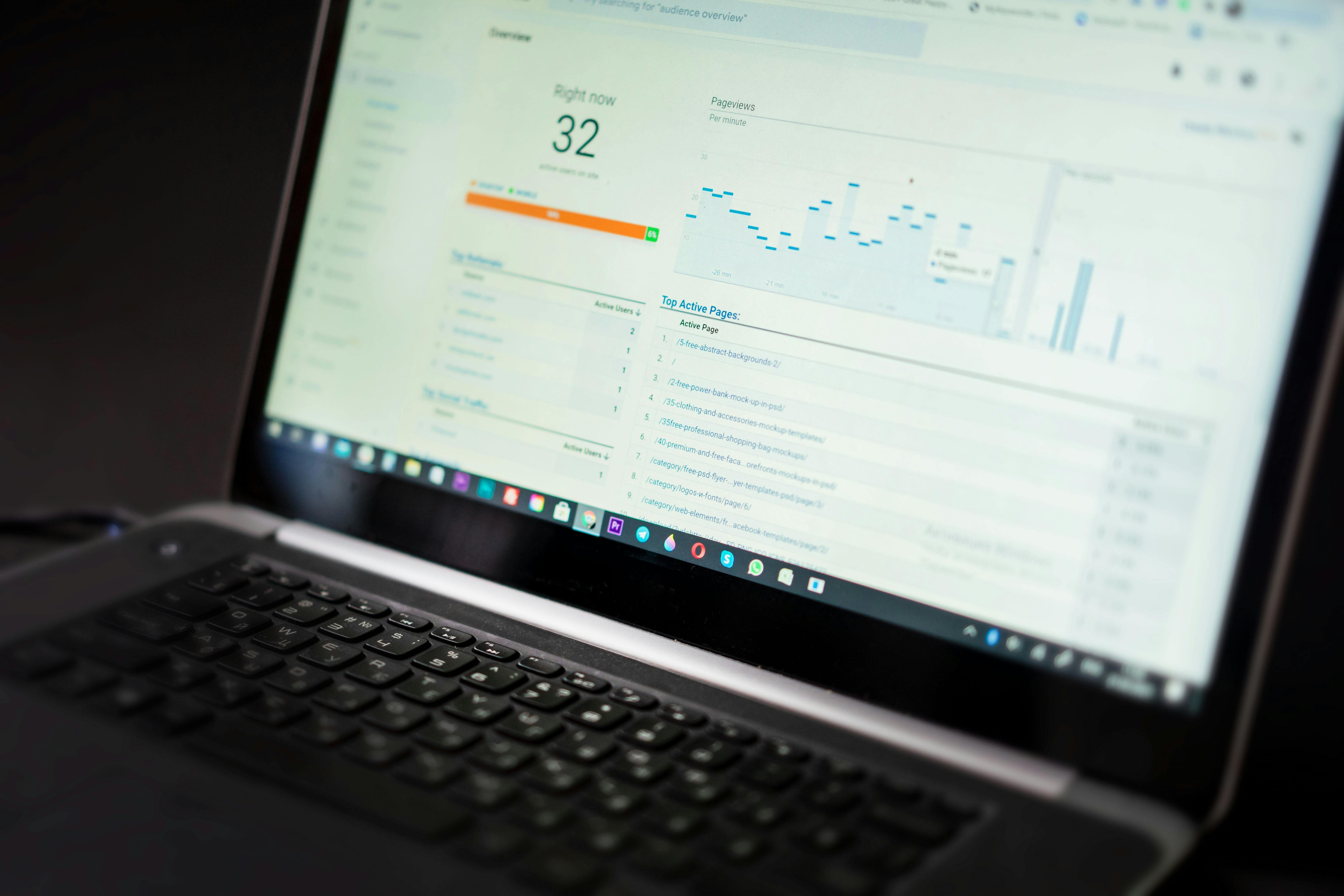
Most leading AI SEO audit tools offer robust integration capabilities. They can often connect with Google Analytics, Google Search Console, and other marketing automation platforms via APIs or direct integrations. This allows for a holistic view of performance, correlating audit findings with actual traffic, conversions, and user behavior. Such integrations are vital for creating a cohesive digital marketing strategy that leverages data from all touchpoints.
Implementing AI SEO Audits: Best Practices and Workflow Integration
Adopting AI-powered SEO audit tools can dramatically enhance your strategy, but successful implementation requires more than just subscribing to a platform. It involves integrating these tools thoughtfully into existing workflows, fostering collaboration between human expertise and machine intelligence, and continuously refining processes. Here are some best practices for effectively leveraging AI in your SEO audits.
The first step is a structured implementation. Begin by setting up initial audits for your primary websites. Establish clear baselines by documenting your current performance metrics, including organic traffic, keyword rankings, crawl errors, and site speed. This baseline will be crucial for measuring the impact of subsequent optimizations. Configure the audit tool to focus on your most critical performance indicators and ensure all relevant sections of your site are included in the crawl scope.
Crucially, embrace human-AI collaboration. AI tools are powerful, but they are not a replacement for human expertise. Instead, view them as an extension of your team. The AI excels at rapid data processing, pattern recognition, and error detection. Human SEO specialists, on the other hand, provide invaluable strategic context, interpret nuanced findings, and make informed decisions based on market understanding and business goals. The most effective approach combines automated insights with expert interpretation and strategic planning.
Learning to interpret AI recommendations effectively is paramount. AI tools often prioritize issues, sometimes categorizing them by severity (e.g., critical, warning, notice) or potential impact. Understand these priority levels and the underlying reasoning for each recommendation. Don't blindly implement every suggestion; instead, cross-reference AI findings with your business objectives and available resources. Develop a clear implementation sequence, tackling high-impact, easy-to-fix issues first to build momentum.
Automated scheduling is a core benefit of AI tools that should be fully utilized. Set up regular, automated audit cycles – weekly, monthly, or quarterly, depending on your site's dynamics and update frequency. This ensures continuous optimization and allows you to catch new issues as they arise, rather than discovering them months later during a periodic manual review. Regular audits also help in tracking the effectiveness of implemented changes and monitoring for regression.
Invest in team training to upskill your SEO professionals. While AI tools simplify many tasks, understanding their features, interpreting their output, and integrating them into daily operations requires new skills. Provide training on how to navigate the platforms, configure custom audits, analyze reports, and most importantly, how to translate AI insights into actionable SEO strategies. Empowering your team with these skills ensures maximum utility from your AI investment.
Finally, robust performance tracking is essential to measure the ROI and impact of your AI audit implementations. Continuously monitor the metrics established in your baseline – organic traffic, keyword rankings, conversion rates from organic search, and site health scores. Correlate these changes with the specific recommendations implemented from AI audits. This data-driven approach allows you to demonstrate the value of AI, justify continued investment, and identify areas for further improvement in your workflow.
Future Trends: Where AI SEO Audits Are Headed Next
The evolution of AI in SEO audits is far from complete. As AI capabilities continue to advance, we can anticipate even more sophisticated and integrated solutions that will further redefine how businesses approach search engine optimization. These emerging trends point towards a future where SEO is not just reactive but proactive, predictive, and deeply personalized.
One of the most significant shifts will be towards real-time continuous auditing. Moving beyond periodic checks, future AI systems will provide constant, real-time monitoring of website health. This means immediate alerts for critical issues like broken pages, server errors, or sudden drops in crawl budget, allowing for instantaneous remediation. Instead of waiting for a scheduled audit, businesses will have an always-on diagnostic system, ensuring optimal performance at all times.
Voice search optimization is another area poised for massive AI influence. As voice assistants become ubiquitous, AI will analyze conversational queries and voice search patterns with unprecedented accuracy. Future audit tools will not only identify keywords but also understand the nuances of spoken language, intent behind voice queries, and provide recommendations for optimizing content to rank for these new, conversational search behaviors.
AI-generated content recommendations will become increasingly sophisticated. Beyond identifying content gaps, future AI will analyze your existing content, competitor strategies, and search intent to automatically suggest new content topics, optimal structures, and even generate drafts or outlines for highly relevant, SEO-optimized articles. This will create a seamless feedback loop between audit findings and content creation, drastically reducing the time and effort involved in content strategy.
Deeper integration with broader marketing automation platforms is also on the horizon. SEO audit insights will seamlessly feed into CRM systems, email marketing platforms, and ad campaign management tools. For example, an AI audit might identify a high-converting keyword; this information could then automatically trigger a new ad campaign or inform the personalization of email content, ensuring a unified and highly effective digital marketing ecosystem.
Predictive algorithm adaptation will empower businesses to anticipate and prepare for search engine updates. Instead of scrambling to react after a Google algorithm change, AI will use historical data and pattern recognition to forecast potential algorithm shifts. This will allow SEO teams to proactively adjust their strategies, ensuring their websites remain compliant and competitive, minimizing the negative impact of updates before they even roll out.
Finally, personalized audit experiences will emerge, with AI tailoring recommendations based on highly specific business goals, industry specifics, and even geographical targets. An e-commerce site focused on local sales in a niche market would receive entirely different, more relevant recommendations than a global SaaS provider. AI will learn and adapt to each client's unique context, providing hyper-personalized, actionable insights that drive truly customized growth strategies.

Conclusion: Embracing the AI-Powered Future of SEO Audits
The journey through the AI revolution in SEO audits reveals a clear and undeniable truth: the future of search engine optimization is intrinsically linked with artificial intelligence. We've explored the transformative benefits, from unparalleled speed in diagnostics to the acquisition of deeper, more actionable insights, all while significantly reducing operational costs. AI tools are not just improving existing processes; they are fundamentally reshaping the capabilities and potential of SEO.
For any business aiming to maintain or gain a competitive edge in the digital realm, AI adoption in SEO is no longer an option but a strategic imperative. The speed at which search engines evolve, coupled with the ever-increasing volume of online data, makes relying solely on manual methods a path to obsolescence. Embracing AI allows for a proactive, precise, and highly scalable approach to optimizing your online presence.
For businesses at different levels of maturity, the implementation roadmap can vary. Start with pilot projects using one of the leading AI-powered tools, focusing on a specific website or a crucial aspect of your SEO strategy. Evaluate the results rigorously, track key performance indicators, and scale your adoption based on the tangible improvements you observe. Continuous learning and adaptation are key to successful integration.
At Articfly, we understand the power of AI in content creation, where our platform automatically generates professional, SEO-optimized blog articles. This perfectly complements the AI-powered SEO audit revolution. Imagine a workflow where AI identifies content gaps and optimization opportunities, and then an AI platform like Articfly generates the high-quality content to fill those needs, creating a seamless, highly efficient, and effective content and SEO strategy.
The vision statement for the future of SEO is clear: it will be an AI-driven, data-informed discipline where intuition is backed by intelligence, and effort is amplified by automation. Don't be left behind. Start integrating AI into your SEO audit processes today, embark on pilot projects, and prepare to unlock unprecedented levels of organic growth and digital dominance.