The "Lazy" SEO Strategy That Outperforms 90% of Marketing Teams
Key Takeaways for Scaling SEO with Less Effort
The 'Lazy' SEO strategy focuses on systemization over manual labor, prioritizing content refreshing and AI-driven lifecycle management to achieve higher rankings with 90% less operational friction. Teams that implement these protocols move away from the "write-and-forget" model, which often leads to content decay within six months of publication. By treating search engine optimization as a technical pipeline rather than a creative chore, practitioners ensure that every URL remains competitive through automated scoring and periodic updates. This approach relies on a central dashboard—like ARTICFLY—to connect directly to a WordPress database, eliminating the manual copy-paste cycles that typically drain 30% of a content manager's week.
A solo blogger managing three niche sites recently switched from writing two posts a week to a 30-day automated roadmap, resulting in a 40% traffic increase. Reliability matters more than bursts of inspiration.
Modern SEO success depends on moving from a document-centric workflow to a database-centric one. Content exists as a network of live URLs rather than a collection of static files.
These URLs require continuous monitoring and programmatic updates to sustain rankings. (Actually, 30-day windows are the minimum for observing meaningful trend shifts in Google Search Console). Maintaining a persistent connection between the AI engine and the CMS database ensures that metadata remains synchronized. It works.
- Native CMS connections remove the friction of manual formatting, allowing for direct-to-WordPress publishing with preserved metadata.
- Automated lifecycle management tracks content decay and prompts refreshes before a post drops from the first page of results.
- AI-planned editorial roadmaps provide a 360-day content strategy based on niche-specific keyword clusters so you don't have to brainstorm weekly.
- Systemized brand voice ensures that AI-generated drafts match existing site vocabulary without requiring extensive manual editing.
Effective scaling requires a WordPress plugin that syncs directly with an external scoring engine.
The High Cost of Manual Content Production
Manual content production fails because it costs between $150 and $500 per quality article while requiring 10 to 15 hours to move from initial draft to a live WordPress post. Competing with automated content engines becomes mathematically impossible with such timelines. Traditional workflows rely on a linear relationship between headcount and output, where doubling production requires doubling the budget for writers and editors. One agency owner reported spending 20 hours every week exclusively on formatting and manual internal linking within the WordPress Gutenberg editor before implementing an integrated system.
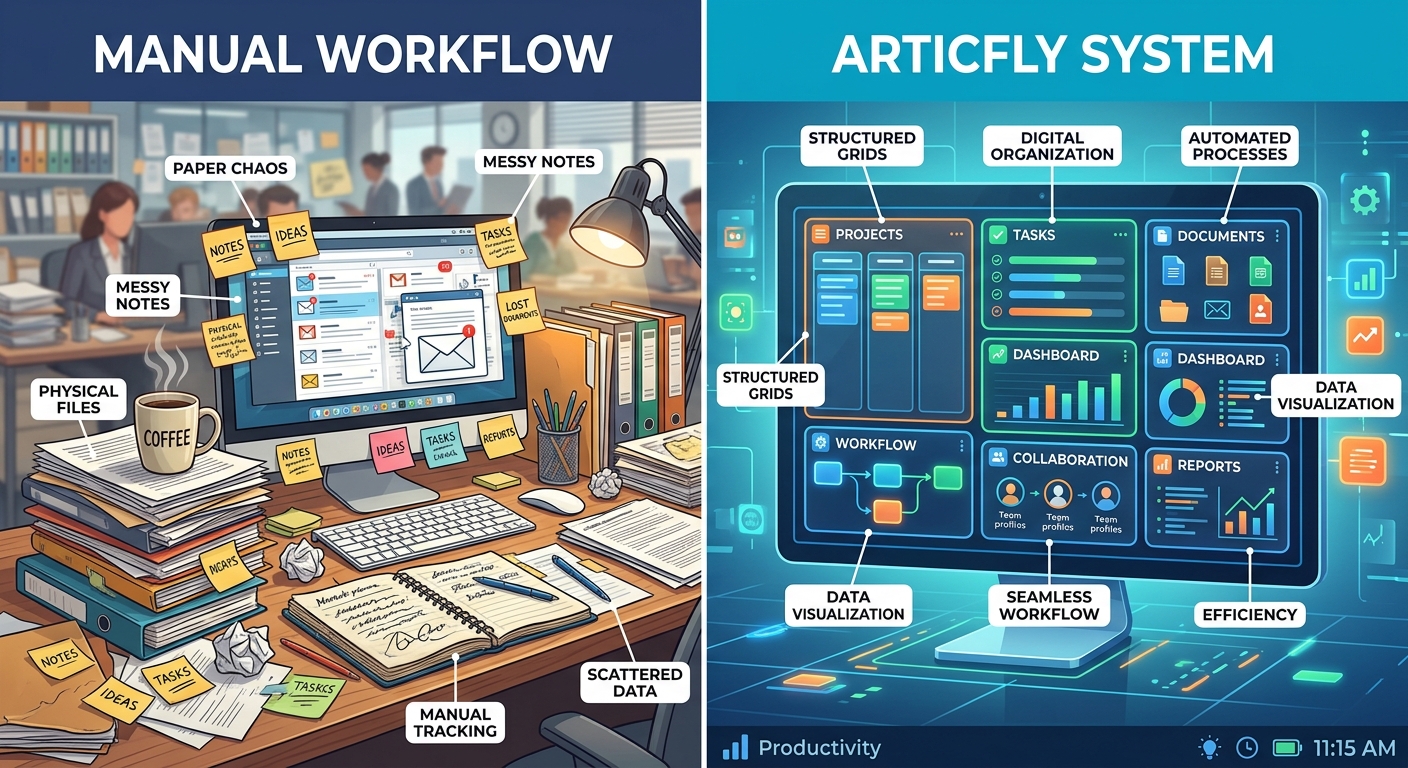
Such a heavy reliance on human intervention introduces significant operational lag. When editors spend 45 minutes just mapping internal links across a 2,000-word post, the cost per word increases without adding equivalent value to the reader. Manual friction creates a "Wall of Text" problem where SEO optimization happens as an afterthought rather than a structural component of the build. Is a 10-hour-per-post workflow sustainable for a team targeting 100 keywords?
Context switching between keyword research tools, Google Docs, and the WordPress dashboard consumes roughly 20% of an editor's productive time. Total waste.
Scaling to 50 articles per month under this model requires at least three full-time employees just to manage the pipeline. Teams that rely on manual copy-pasting from external editors into WordPress often lose metadata, requiring an additional pass for H2/H3 tag correction. (Actually, research into cognitive load suggests that switching tasks can drop productivity by up to 40% in high-complexity environments like SEO). If a writer bills $300 for a long-form guide, the hidden costs of project management, image optimization, and technical SEO checks often push the true cost past $450. Linear growth is a trap because the administrative overhead scales faster than the content volume itself. Maintaining a 1:1 internal linking ratio across 500+ posts—where every new article links to a relevant existing one—becomes an impossible manual task for a standard editorial team. This operational bottleneck effectively caps organic traffic growth at the limits of the WordPress database.
Building the Architecture of a Lazy SEO Engine
A 'Lazy' SEO engine consists of three pillars: automated brand voice extraction, AI-planned editorial roadmaps, and a direct-to-CMS publishing pipeline. Scaling content production requires a shift from manual drafting to a structured technical pipeline that removes human decision-making from repetitive steps. Efficiency stems from a pre-configured stack where the AI already understands the technical constraints of the target site, such as Gutenberg block formatting and specific internal linking structures.
Content leads managing multiple sites maintain tone consistency by setting up a Brand Voice Analyzer to create a permanent style guide from 5 existing high-performing articles. (Actually, the analyzer maps sentence length variance, common bigrams, and reading grade level to match the existing corpus). Style guides generated this way ensure the output requires zero stylistic correction and prevents generic "AI-speak" from entering the draft phase. These assets act as the foundational layer for all future content generation within the engine. One less thing to worry about.
Planning content involves more than just picking keywords; it requires a 30–360 day editorial roadmap built around specific niche clusters. ARTICFLY generates these roadmaps through the analysis of existing SERP data to identify gaps that a single "skyscraper" post cannot fill. Instead of guessing what to write next Tuesday, teams follow a grid-based schedule that aligns with their historical performance. The resulting structure handles keyword cannibalization checks before a single word is even typed, ensuring that 13 different SEO tools—from internal link mapping to readability scoring—are working in concert. Future-proofing the strategy also involves the Article Refresher, which tracks content decay and prompts updates when a post's ranking drops below a specific threshold, such as falling from position 3 to position 11.
Native WordPress integration remains a non-negotiable requirement for high-volume operations because it eliminates the "copy-paste tax." Moving text from a document editor into a CMS often breaks image metadata, strips formatting, and introduces accidental HTML bloat. By connecting via a native plugin, teams synchronize internal link mapping, schema generation, and SERP previews directly into the database. Such an approach cuts the time-to-publish from hours to seconds per article. Automated workflows also handle the heavy lifting of alt-text generation for 1200px featured images and category tagging. No more manual metadata entry.
The Power of Content Refreshing over New Production
Content decay management is the process of identifying and updating aging posts that are losing rank; it is the most efficient way to maintain and grow search traffic. Many publishers find that 80% of their traffic comes from just 20% of their pages. When high-performing assets slip in SERPs due to outdated data, the traffic loss is immediate. Instead of drafting a new 2,000-word article, a targeted update to an existing URL often recovers lost positions with less effort.
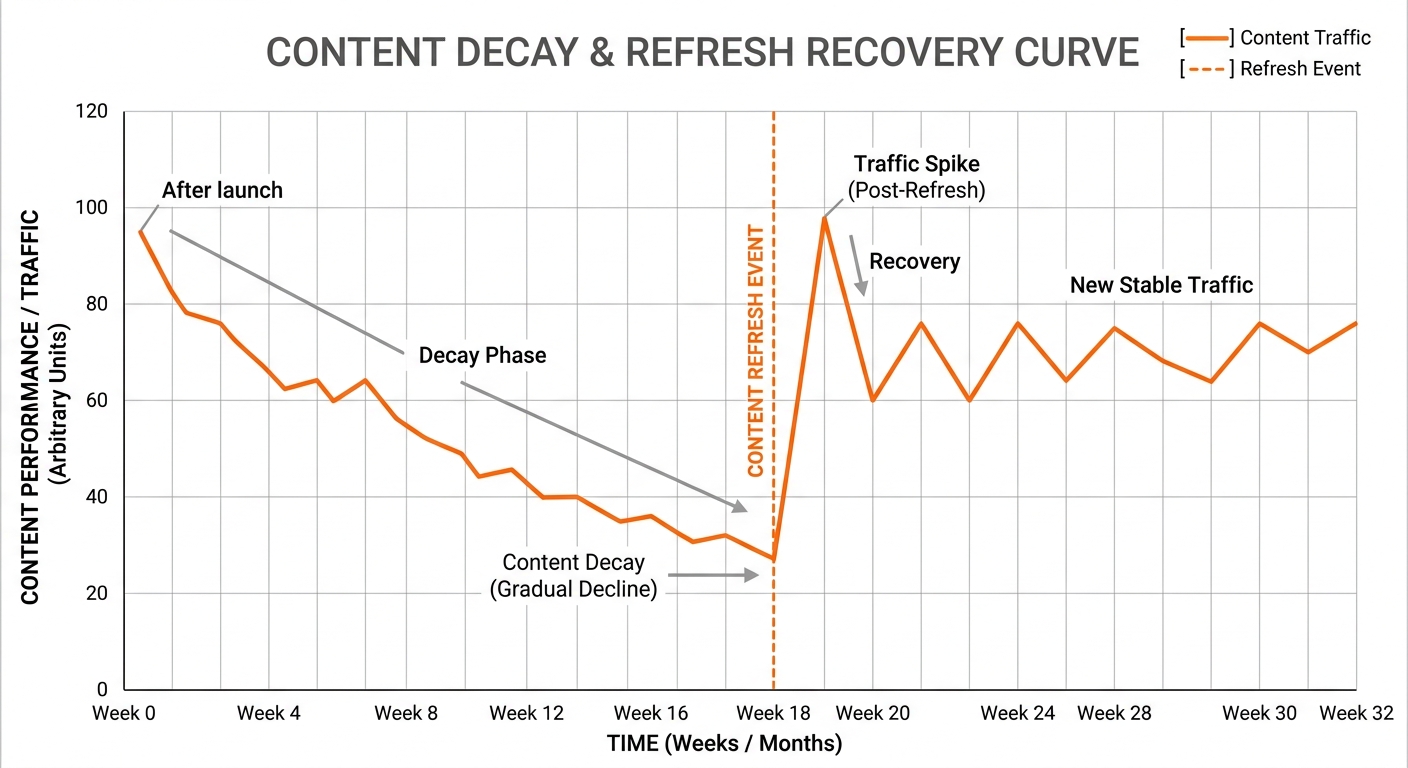
A marketing manager using an Article Refresher tool can identify a 2-year-old post that dropped from position 2 to 8 and restore it in 15 minutes. This efficiency stems from the authority the URL already holds. While a new post requires months to exit the "sandbox," a refreshed post usually sees a ranking boost within days of being recrawled. Success relies on precise adjustments to the H1 and metadata rather than a complete rewrite.
Maintaining a blog isn't just about the "new content" treadmill. Consider the math of a 50-post catalog where five articles drive the bulk of conversions. If one of those pillars drops from the top 3 to the bottom of page one, the revenue impact is often more severe than failing to rank for a new, unproven keyword. A technical refresh addresses this by checking the current SEO score against modern benchmarks (actually, Articfly’s dashboard provides a real-time score out of 100 based on keyword density and readability). If a post from 2022 mentions a "recent" study that is now four years old, it signals to both users and search engine crawlers that the content is stale. Far less energy than starting from scratch.
The update workflow involves swapping outdated statistics for 2024 data points and re-verifying outbound links via the Article Refresher dashboard. Adding a single new H3 section that addresses a "People Also Ask" query can push a post back into the top 5 search results without requiring a manual audit of the entire WordPress site.
Automating the Full Content Lifecycle with Articfly
The Articfly workflow automates the full content lifecycle, including keyword analysis, readability scoring, internal link mapping, and schema generation. Advanced Mode AI generation produces articles that mirror specific brand guidelines by analyzing existing URLs to ingest vocabulary and tone.
Integrated suites outperform fragmented tool stacks because data flows between the 13 built-in SEO tools without loss of context. Suppose a strategist uses the internal link mapping feature; the system identifies relevant anchor text from the existing WordPress database and suggests placements automatically. It also handles technical metadata, such as generating JSON-LD schema and SERP previews, inside the same dashboard. (Actually, Articfly tracks 30-360 day editorial roadmaps, which provides long-term visibility that standard AI prompts lack). This integration eliminates the manual friction of switching between separate SEO trackers, AI writers, and CMS editors. High-volume production without the headcount.
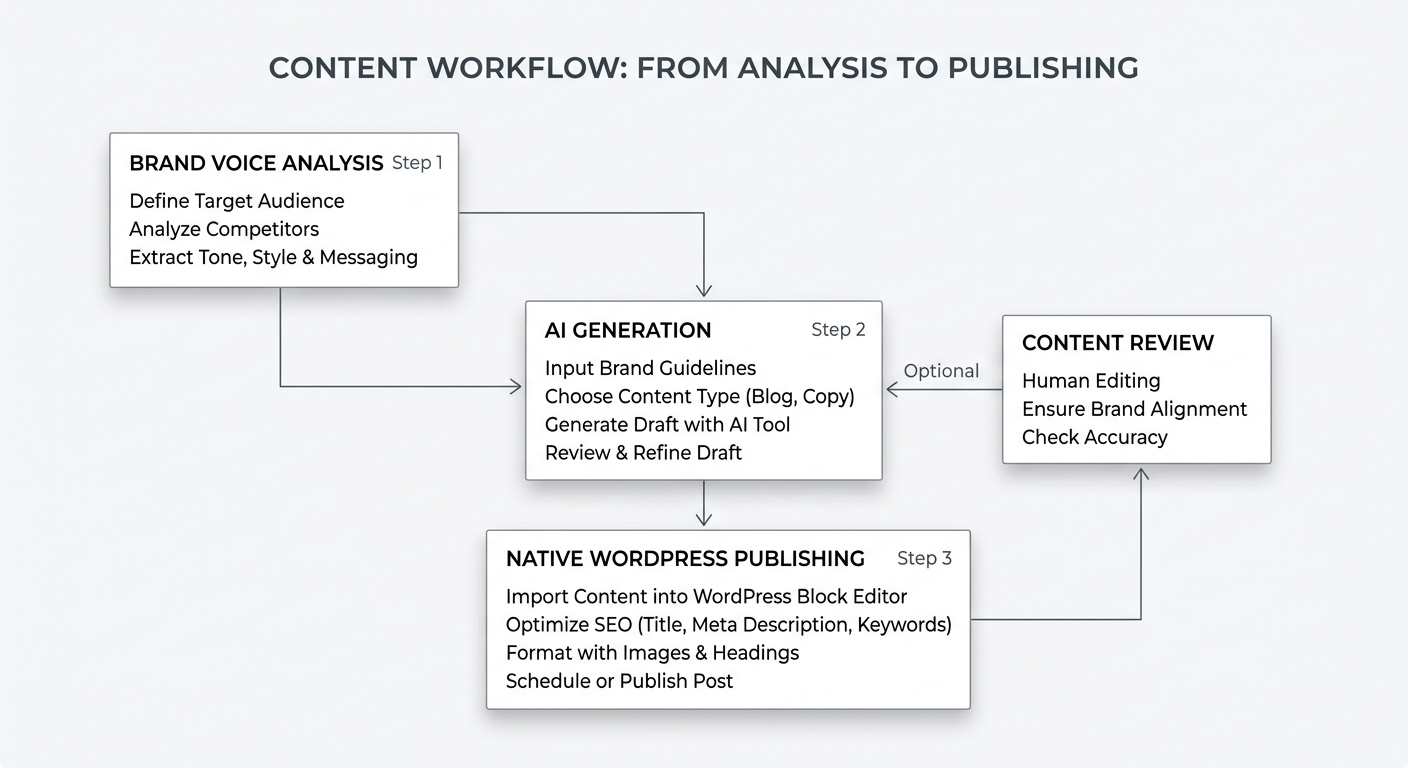
One-click publishing via a native WordPress plugin removes the final bottleneck of copy-pasting and reformatting. Teams that bypass the manual upload phase save an average of 20 minutes per post, which adds up to significant gains across a 50-article month. You can sync drafts directly, maintaining all formatting and internal links without touching the Gutenberg editor. Efficiency at scale. A 3-person team producing the output of a 15-person agency relies on these automated internal link mappings to maintain a complex site architecture without manual oversight. Scaling from five to fifty posts per month usually shifts the bottleneck from writing to coordination. This native plugin manages the transfer of categories, tags, and featured images directly to the media library. The Brand Voice Analyzer extracts tone from a website's existing content, ensuring new articles sound like they were written by the same author.
Strategic planning happens within the AI-powered Content Calendar, which generates 30 to 360 days of editorial topics based on specific niche clusters. Maintenance remains automated through the Article Refresher, which monitors content decay through regular ranking checks against live SERP data. Adopting a proactive cycle prevents the traffic loss typical of "set it and forget it" publishing strategies. Instead of manual audits, the system provides a clear roadmap for keeping every URL on the first page. The 13 SEO tools include readability scoring that checks against the Flesch-Kincaid scale and keyword density analysis to prevent over-optimization. Suppose a post starts losing its ranking for a primary keyword; the Article Refresher identifies the specific sections that need more depth. You can then trigger a partial rewrite using the same Advanced Mode AI that created the original piece. Every successful workflow ends with a direct sync to the Polar.sh-integrated Pro plan.
Measuring Success Beyond Word Count
Success in automated SEO is measured by SERP movement and conversion-readiness rather than the volume of words published. High-frequency publishing increases the number of indexed pages, yet the actual return on investment depends on technical benchmarks like readability scores and schema accuracy. An article that ranks on page one but lacks clear internal links or structured data fails to contribute to long-term domain authority. Measuring the impact of an AI-driven strategy requires looking at how well a piece satisfies search intent rather than its length.
Technical optimization ensures that every automated post serves a specific purpose within the site architecture. Instead of tracking word counts, a 5-person marketing agency might monitor the percentage of articles achieving a readability score above 60 or a Flesch-Kincaid grade level suitable for their niche. Evaluating a post's performance via a dashboard that tracks SEO scores alongside live traffic data provides a more accurate picture of growth. This data-driven approach identifies which topics drive revenue and which require a refresh to maintain their competitive edge.
Actually, raw output is just the start. Topical authority isn't built by accident.
Inside the Articfly dashboard, users see a granular view of content health, focusing on 13 distinct SEO tools including schema generation and SERP previews. Automated internal link mapping builds topical authority by identifying relevant anchor text across an existing WordPress database. Rather than manual cross-referencing, the system connects new posts to high-performing "pillar" pages automatically (a process that usually takes a human editor 20 minutes per post). Does a 2,000-word post matter if it doesn't link to a product page? Content teams managing 50+ workflows often see better results by refining their internal link structure than by doubling their output. Article Refresher tools handle the long-tail maintenance that manual teams usually ignore, flagging posts where the SEO score has dropped due to changing search trends. A quick update to a 12-month-old post often yields a faster traffic spike than writing a new one from scratch, especially when synced directly to a WordPress site.
Frequently Asked Questions About Automated SEO
What are the primary concerns regarding automated SEO?
Common questions about automated SEO include concerns about Google's stance on AI, brand voice consistency, and the technical setup of WordPress integrations. Google’s Search Essentials documentation states that using AI is not against guidelines if the material is helpful and created primarily for people. The focus remains on E-E-A-T (Experience, Expertise, Authoritativeness, and Trustworthiness). High-quality output—like a technical guide on CSS grid layouts—will rank regardless of the author. (Actually, the February 2024 core update targeted low-quality scaled content specifically, proving that utility is the deciding factor).
Maintaining brand voice consistency requires a system that extracts specific linguistic markers from existing content. Articfly’s Brand Voice Analyzer scans a site's top-performing pages to identify sentence length distributions and preferred vocabulary. This system prevents the generic "AI feel" by forcing the model to adhere to a pre-defined style profile. Technical setup uses a native WordPress plugin that connects to the WP-JSON REST API in under three minutes. No complex API configurations are necessary.
How does the system ensure content quality?
Ranking depends on utility rather than the method of creation. An article explaining the nuances of the 301 redirect remains eligible for top-tier SERP positions if it provides a unique perspective or solves a complex problem. No more "delve" or "unlock."
What are the requirements for multi-site management?
Agencies managing 15 or more client sites can toggle between environments from a single sidebar. Each site maintains its own Brand Voice profile and internal linking map, allowing for distinct editorial strategies without multiple logins. Centralized management supports scaling production without increasing the overhead per property.
Your 4-Step Plan to Implement the Lazy SEO Strategy
To start the Lazy SEO strategy, audit your existing content for decay, connect your WordPress site to Articfly, and generate your first 30-day roadmap. Implementing the system begins with a connection to the WordPress REST API via the Articfly plugin, which typically takes under 10 minutes for users on the Pro plan. Once the site syncs, the dashboard identifies pages where traffic has dipped by 20% or more over the last 90 days. This immediate visibility allows for a "refresh-first" approach, targeting low-hanging fruit before drafting new material.
Success with automated SEO relies on a structured rollout rather than a bulk dump of unoptimized text. Teams that prioritize existing URL equity often see faster ranking improvements than those starting from zero. By focusing on the Article Refresher tool, a single marketer can manage the maintenance of 50+ posts without manual research. The automated refresh ensures that every piece of content remains competitive against newer search results.
The transition from manual drafting to a content engine requires four specific phases. The first involves installing the Articfly plugin to establish a secure handshake between the CMS and the SEO tools. Second, running the Brand Voice Analyzer on the top five performing posts extracts a consistent tone (it usually takes about 3 minutes to parse 10,000 words). Third, the Content Calendar helps map out a 30-day schedule based on high-intent keywords. Finally, setting the first five articles to "Draft" mode in WordPress allows for a final human check before hitting "Publish."
Speed is the primary metric here. Not just for writing, but for shipping. A Pro plan user often moves from account creation to a first scheduled post in less time than it takes to write a single meta description manually. (Specifically, the 1-click sync handles all categories and tags automatically). That efficiency creates the "Lazy" advantage within the Articfly Pro dashboard.
Want the system behind this content?
Join the top 1% of SEOs generating programmatic, high-converting organic traffic completely on auto-pilot.
DEPLOY ARTICFLYMore Articles
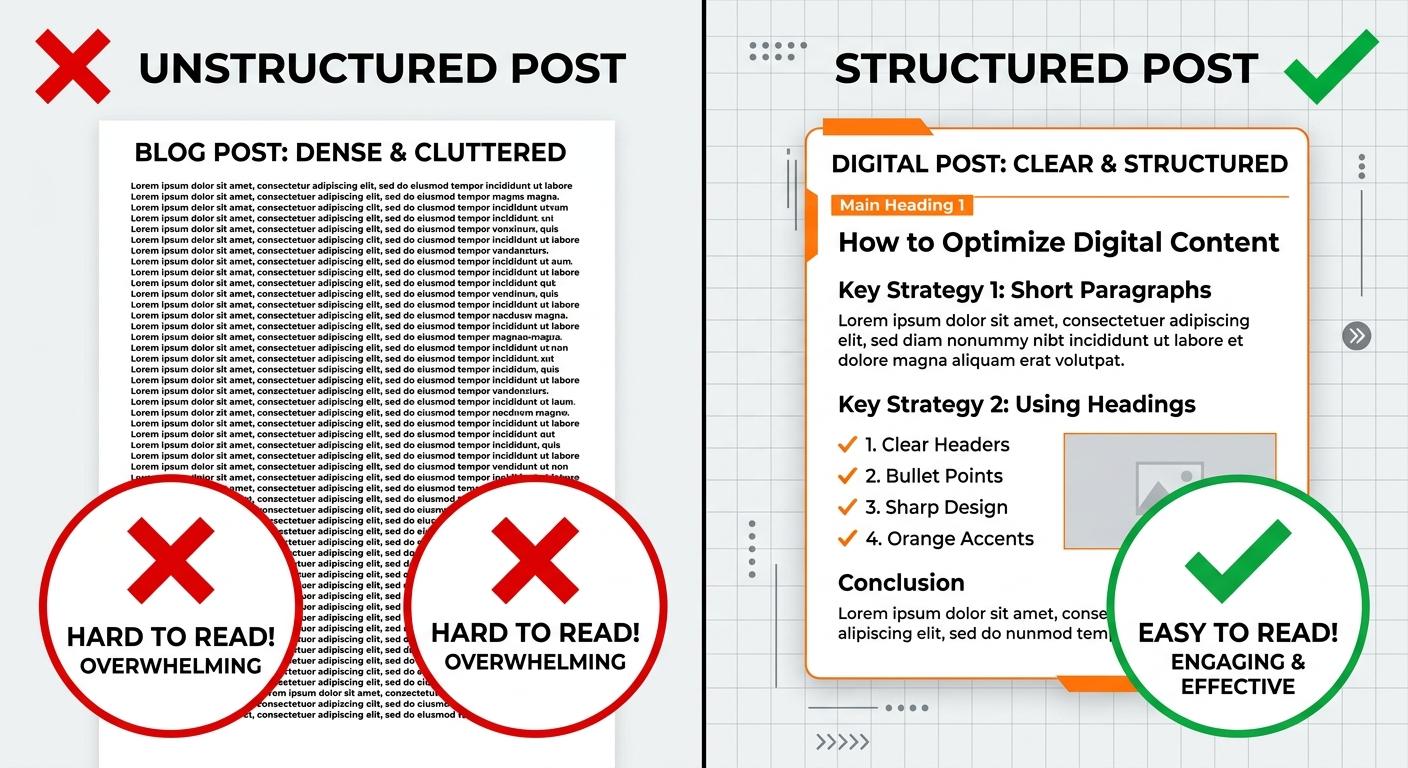
Why People Stop Reading Your Blog Post After 30 Seconds (and How to Fix It)
Most readers decide to stay or leave a blog post within the first 30 seconds. If your bounce rates are high, it's likely due to structural friction, poor hooks, or a lack of immediate value. Learn how to diagnose engagement killers and use AI-driven optimization to keep readers scrolling.
READ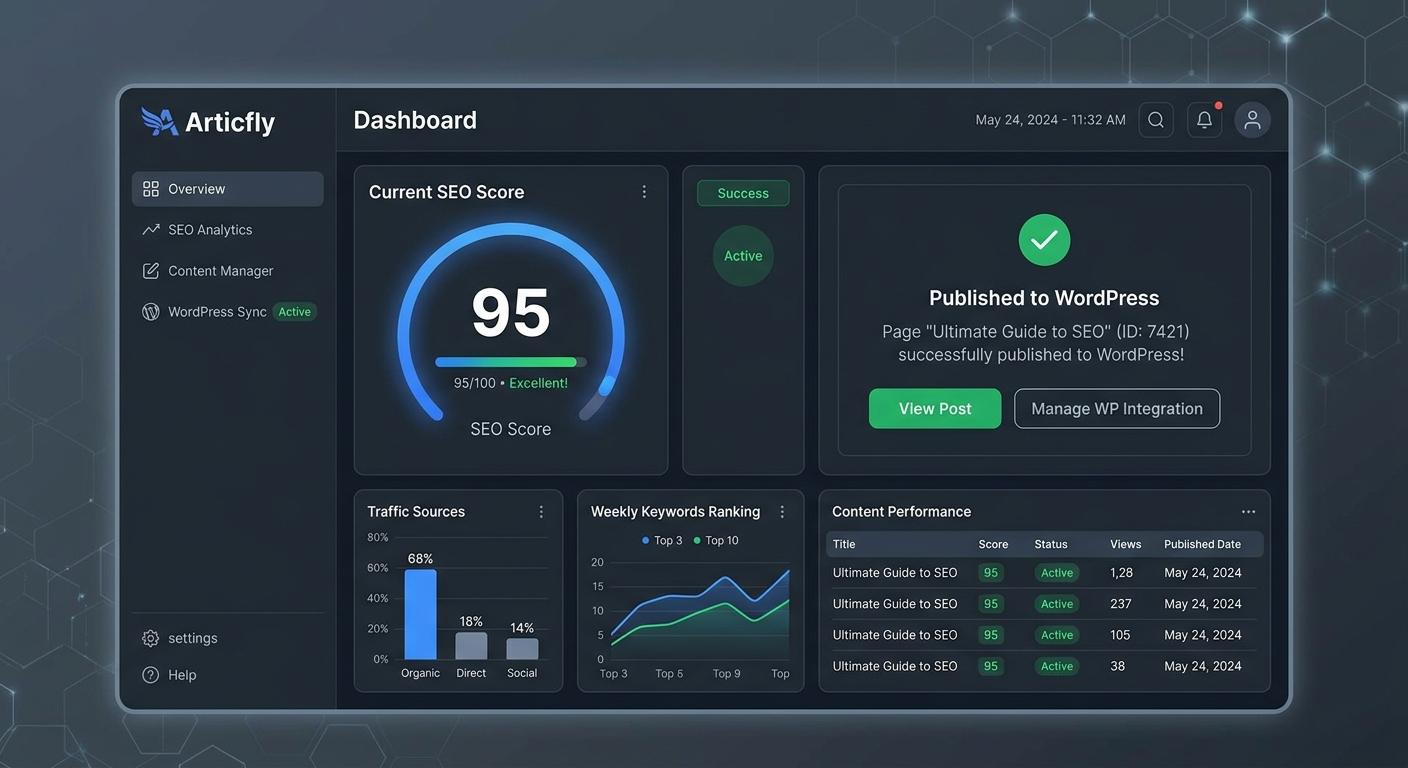
The $15 Blog Post That Brings in $2,000/Month: How AI Content Delivers 130x ROI
Discover the unit economics of high-scale AI publishing. Learn how to leverage Articfly to produce $15 blog posts that generate $2,000 in monthly recurring revenue through SEO optimization, automated publishing, and strategic content refreshing.
READ
Brand Voice in AI Content: How to Stop Your Blog from Sounding Like a Robot
Generic AI content is killing brand authority. Learn how to use Articfly’s Brand Voice Analyzer and Advanced Mode to produce high-scale, SEO-optimized content that sounds like your team, not a machine.
READ