
Why CFOs Should View SEO as a Cost‑Saving Initiative

SEO as a measurable cost‑saving lever offers a strategic alternative to the rising costs of traditional paid advertising. By focusing on organic search, finance leaders can shift marketing spend from temporary visibility to permanent digital asset creation. This approach ensures that traffic levels remain stable even if monthly advertising budgets are adjusted or paused.
Unlike paid campaigns that stop delivering results the moment the funding is cut, search engine optimization builds momentum over time. Studies suggest that long-term investment in high-quality content provides a compound return that paid media cannot match. This alignment with financial stewardship values helps organizations maintain a competitive edge while managing operational expenses more effectively.
| Feature | Traditional Paid Media | Sustainable SEO |
|---|---|---|
| Cost Structure | Variable / Per Click | Fixed / Upfront Asset |
| Long-term Value | Zero after spend stops | Compounding over time |
| ROI Stability | Subject to bid inflation | Resilient to market fluctuations |
For more information, see Articfly’s “How AI Improves Content ROI” page or read external reports on SEO’s long‑term value from Search Engine Journal.
Quantifying SEO’s Financial Impact Without Complex Stats
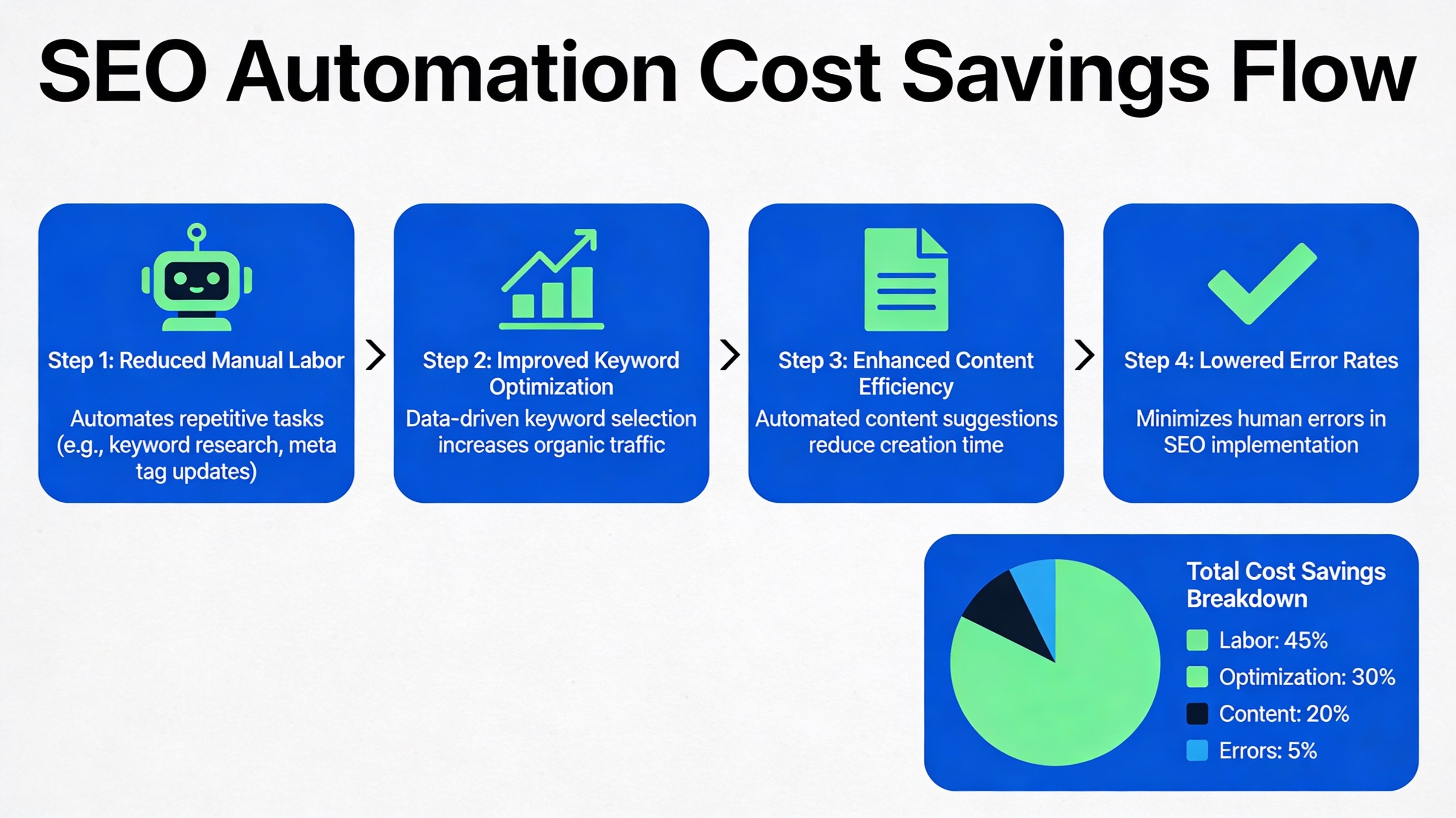
Estimating search engine ROI can be accomplished through straightforward financial metrics rather than complex technical data. CFOs can evaluate the success of content strategies by monitoring the reduction in cost per acquisition (CPA) and overall traffic lift. These figures provide a clear picture of how organic reach offsets the need for expensive customer acquisition channels.
Industry benchmarks indicate that a consistent traffic growth of approximately 20% can significantly reduce the burden on paid media budgets. By applying simple rule‑of‑thumb percentages, finance departments can model future scenarios using existing tools to predict how organic growth impacts the bottom line. This methodology allows for a data-driven justification of marketing spend without requiring specialized SEO knowledge.
- CPA Reduction Template: Compare current paid CPA against blended organic/paid CPA.
- Traffic Lift Forecast: Model 12-month organic growth based on current publishing velocity.
- Ad Spend Offset: Calculate the cost to purchase current organic traffic via PPC.
- Churn Impact: Analyze the lifetime value of customers acquired through educational content.
- Market Share Analysis: Estimate the value of top-of-funnel visibility against competitors.
You may use Articfly’s ROI calculator or consult Moz’s guide on SEO measurement for further calculation frameworks.
Aligning SEO Projects with Finance Goals and Budgets

Mapping search marketing activities to quarterly financial targets ensures that content production supports broader corporate objectives. When SEO milestones are tied directly to budget cycles, it becomes easier to categorize marketing spend as a capital expenditure rather than just an operational cost. This perspective helps leadership see the lasting value of the content being produced.
Finance teams can set specific budget caps by utilizing cost‑per‑lead benchmarks as a guide for content investment. This ensures that every dollar spent on SEO is aligned with the organization's profitability goals and risk tolerance. Establishing these guardrails early helps prevent budget overruns while maintaining a steady pace of growth.
SEO Budget Alignment Timeline
Quarter 1: Establish baseline metrics and identify high-value keywords for investment. Quarter 2: Execute content production at scale and monitor early ranking improvements. Quarter 3: Analyze lead generation quality and adjust spend based on conversion data. Quarter 4: Evaluate annual ROI and set targets for the upcoming fiscal year.
Read our case study of a finance‑driven SEO rollout or explore a CFO‑focused finance blog discussing marketing spend for additional context.
Leveraging AI‑Powered Content Automation to Reduce Costs
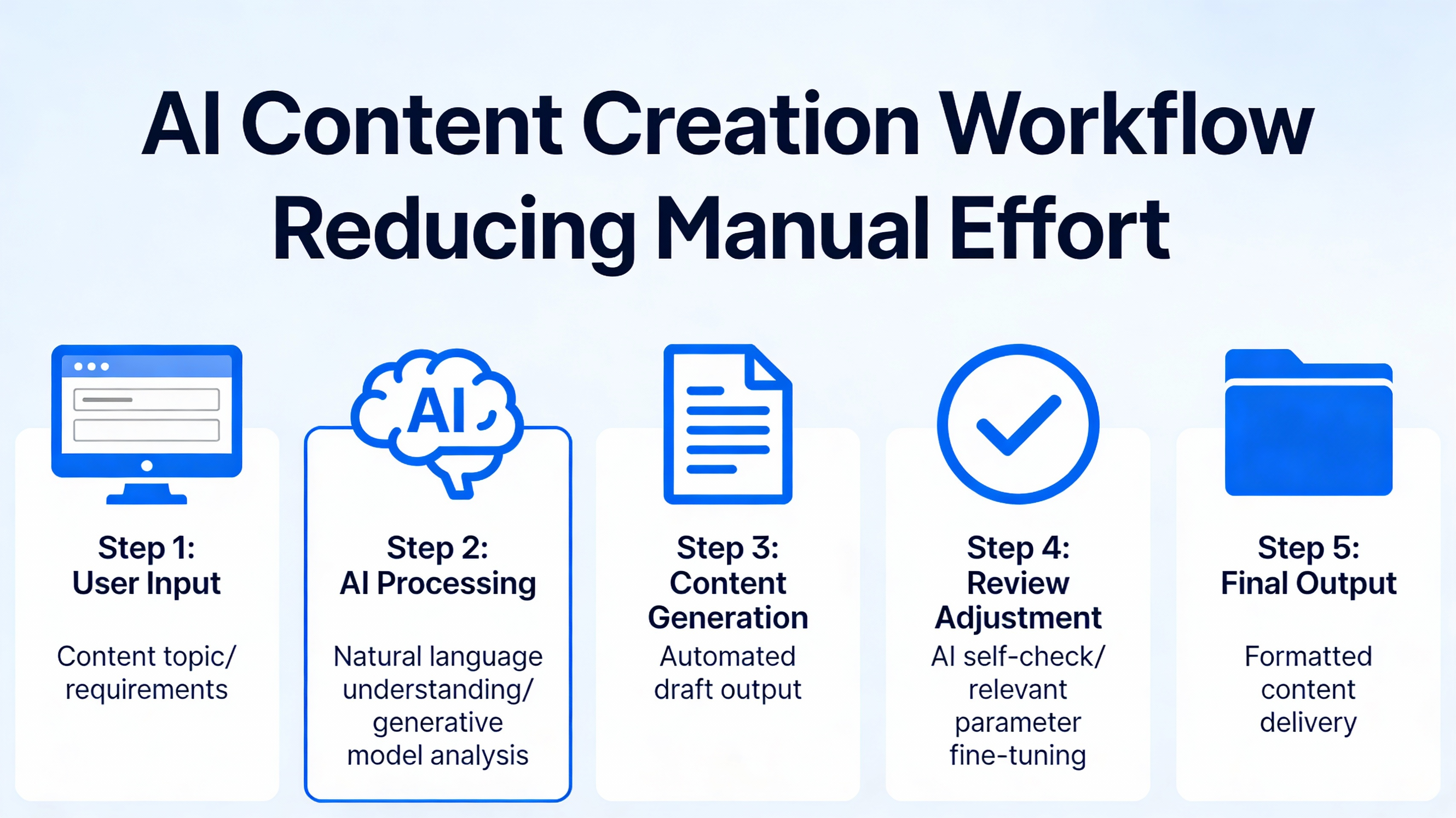
AI-powered content automation provides a scalable solution for businesses looking to expand their digital footprint without increasing headcount. By utilizing platform tools like Articfly, companies can automate topic research, outlining, and drafting, which significantly reduces the manual hours required for production. This efficiency leads to a direct reduction in agency fees and freelance expenses.
Scaling content output manually often results in a proportional increase in costs, but AI-driven systems break this correlation. Organizations can produce higher volumes of SEO-optimized articles at a fraction of the traditional cost, allowing for faster market penetration. This technological advantage enables content teams to focus on strategy while the AI handles the bulk of the drafting process.
AI Content Creation Cost Savings Flow: Automated Research -> Rapid Outlining -> Generative Drafting -> Editorial Review -> Cost Reduction vs. Manual Production.
Visit the Articfly product page or review a reputable AI‑content market report from Gartner to see how automation is changing the industry.
Building a Business Case: Pitching SEO to the Executive Team

Creating a compelling business case for SEO requires focusing on long-term efficiency and risk mitigation. An executive summary should highlight how organic growth serves as a hedge against rising advertising costs and market volatility. Presenting a clear financial model helps the board understand the tangible benefits of diversifying the company's traffic sources.
To secure approval, the pitch must include a detailed KPI monitoring plan that tracks progress against established financial goals. Highlighting the reduction in dependence on third-party ad platforms demonstrates a commitment to sustainable growth and resource optimization. This strategic framing moves the conversation from "marketing spend" to "business resilience."
"Treating content as a long-term capital asset rather than a monthly expense changed our entire approach to the marketing budget."
— CFO, Mid-market Enterprise
Check out our downloadable pitch deck template or refer to the Harvard Business Review article on tech investment justification for guidance.
Key Takeaways
Understanding the financial impact of search engine optimization is essential for modern CFOs looking to optimize marketing spend. By treating SEO as a long-term cost-saving asset, companies can achieve sustainable growth and higher margins.
- SEO is a long‑term cost‑saving asset that builds equity over time.
- Simple metrics like CPA reduction can effectively demonstrate ROI to the board.
- AI automation through platforms like Articfly accelerates savings by lowering production costs.
- Aligning SEO spend with budget cycles ensures marketing remains accountable to finance goals.
FAQ
How quickly can SEO replace paid‑media costs?While SEO is a long-term strategy, industry averages suggest that meaningful organic traffic growth can begin to offset paid costs within six to twelve months, depending on competition and publishing frequency.
What upfront investment is needed for AI content tools?Upfront costs for AI tools like Articfly are typically much lower than the cost of hiring a full-scale content agency or a team of freelance writers, providing an immediate reduction in overhead.
How do we measure SEO’s impact on the bottom line?The bottom-line impact is measured by tracking organic conversion rates, the reduction in total blended CPA, and the cost-savings generated by replacing paid clicks with organic visits.
Can SEO align with strict finance governance?Yes, by setting clear KPIs and tying SEO milestones to quarterly targets, search marketing can be monitored with the same rigor as any other financial investment.
For more help, see Articfly support resources or review industry benchmark reports.
Next steps for AI‑powered content automation
Implementing a data-driven strategy starts with understanding your current position and potential for growth. You can begin by requesting a free SEO content audit to identify high-impact opportunities for your brand. Using a specialized ROI template will help you project the financial benefits of automating your content pipeline.
Finally, scheduling a demo with Articfly’s finance‑focused onboarding team can provide a tailored roadmap for your organization. This ensures that your transition to AI-powered creation is aligned with your specific financial objectives and budget constraints. Start with a free audit, use the ROI template, or schedule a demo today.
Explore our free audit landing page or download a case study PDF to see real-world results.