I Replaced My $4,000/Month Content Agency with AI: 90-Day Review
Key Takeaways
Scaling a content operation requires a fundamental shift in how resources are allocated, moving away from expensive manual labor toward systemized efficiency. After evaluating the traditional agency landscape against modern AI-powered workflows, three primary findings emerged regarding the future of digital publishing.
- Drastic Cost Reduction: Shifting to an automated content engine allows teams to reduce their content spend by approximately 90% while maintaining or increasing total publication volume.
- Acceleration of Output: The time required to move from an initial keyword idea to a published, SEO-optimized WordPress post drops from weeks to minutes.
- The Shift from Producer to Editor: Success in the new content era depends on transitioning human staff from the role of primary writer to the role of high-level editor and strategist.
Why the $4,000 Agency Model is Breaking
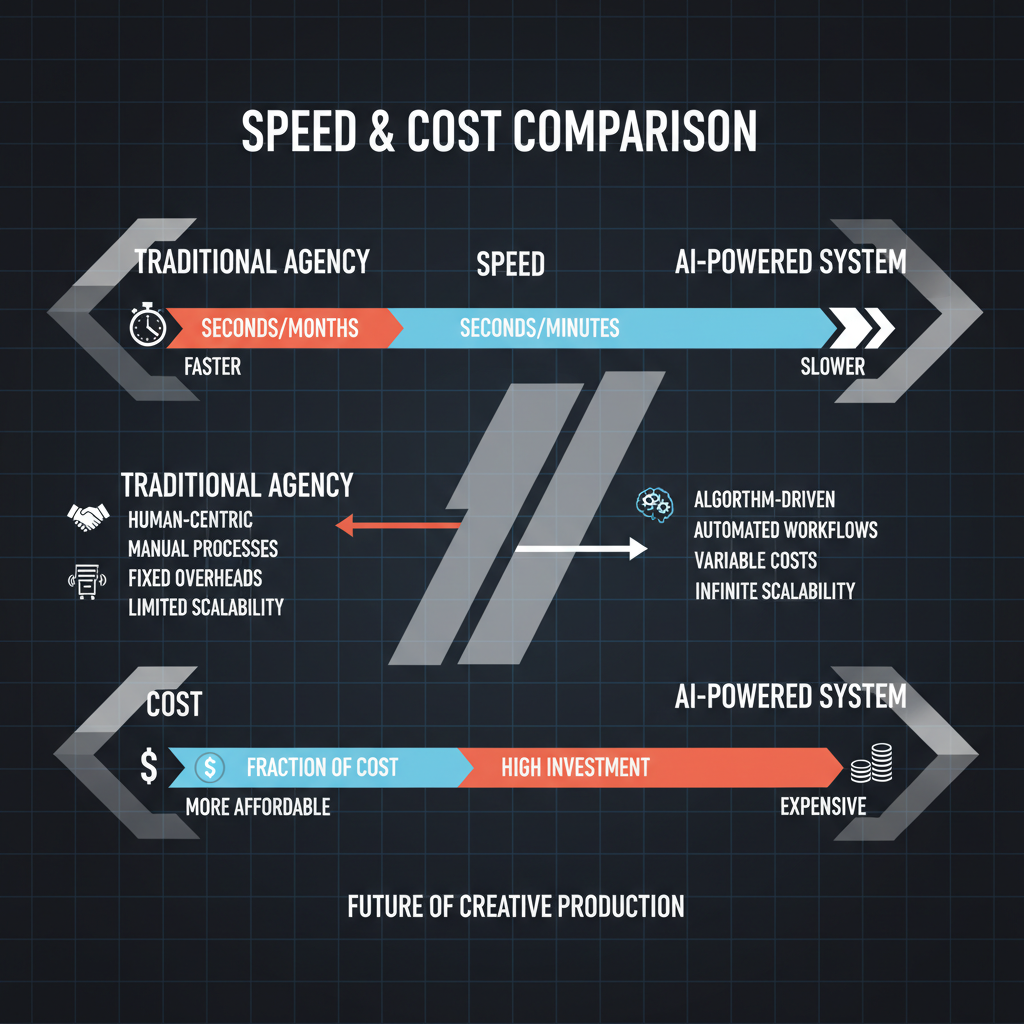
Traditional content agencies often operate on a structural model that is no longer sustainable for brands needing to publish multiple times per week. The overhead of account managers, multiple tiers of editors, and freelance coordination creates a "tax" on every word produced, resulting in high costs that do not always correlate with higher SEO performance.
When you pay a monthly retainer of $4,000 or more, you are rarely paying for just the writing. You are paying for the agency's office space, their internal communication meetings, and the profit margins required to keep their doors open. This financial structure makes it nearly impossible for them to compete with a lean, software-driven approach.
The friction points in the agency model typically include:
- Extended Feedback Loops: It often takes seven to ten days for a single draft to move through the agency's internal chain before it even reaches your inbox for review.
- High Management Overhead: Your internal team still spends hours every week managing the agency, explaining brand guidelines, and requesting revisions.
- Quality Inconsistency: Agencies frequently rotate freelancers; the writer who did a great job on your first article may not be the one assigned to your tenth.
- Fixed Scalability: If you want to double your output, the agency usually doubles your price because they have to hire more people to handle the work.
These limitations create a ceiling for growth. For a digital agency or a serious blogger, the goal is often to saturate a niche with high-quality information, but the manual model makes saturation too expensive to achieve for most businesses.
The 90-Day Experiment: Setting Up Articfly

Transitioning to an AI-powered system involves more than just clicking a "generate" button; it requires setting up a technical foundation that understands your specific brand. The setup process for Articfly is designed to replace the months of onboarding usually required by a human team with a streamlined digital configuration.
The first step focuses on the Brand Voice Analyzer. Instead of writing a 20-page style guide that a freelancer might ignore, the system scans your existing website to extract your specific tone, vocabulary preferences, and stylistic guidelines automatically. This ensures the output sounds like your brand from day one.
Following the brand alignment, the technical connection to WordPress is established via a native plugin. This removes the "copy-paste" friction that often leads to formatting errors, broken images, and lost meta descriptions during the publication process.
To execute a successful 90-day pilot, follow this setup checklist:
- Brand Voice Extraction: Feed the analyzer your best-performing URLs so the AI can map your unique writing style.
- WordPress Integration: Install the native plugin and sync the dashboard to your site for direct scheduling.
- Content Roadmap Generation: Use the AI-powered calendar to build a 30 to 360-day editorial plan based on your niche’s search volume.
- Keyword Mapping: Connect your target keywords to the 13 built-in SEO tools to ensure every planned post has a clear ranking objective.
- Editor Onboarding: Train a single team member to use the dashboard for final reviews rather than writing from scratch.
Measuring Output: SEO Performance and Quality Control
Quality in the AI era is measured by technical precision and the ability to satisfy user intent more effectively than generic human-written drafts. Articfly uses a suite of 13 SEO tools to ensure that every article is not just readable, but engineered to rank on the modern SERP.
Many traditional agencies provide content that "looks" good but lacks the underlying schema, internal link mapping, and keyword density required for search visibility. By using the Advanced Mode for article generation, the system creates full-length posts that are already optimized for these technical factors before a human ever sees them.
Consider the difference in quality control workflows:
In a standard agency scenario, an editor checks for grammar and style. They might manually look for a few internal links. In the Articfly scenario, the system automatically generates schema, provides a SERP preview, and maps internal links based on your actual site structure. The human editor then focuses on adding "information gain"-the unique insights or proprietary data that make a post truly stand out.
The Article Refresher tool adds another layer of quality control by tracking content decay. Most agencies deliver a post and then never look at it again. Articfly monitors how that post performs over time and notifies you when it needs a refresh to maintain its rankings, keeping your entire blog alive rather than letting old posts wither.
Cost Breakdown: The Literal 10x Difference
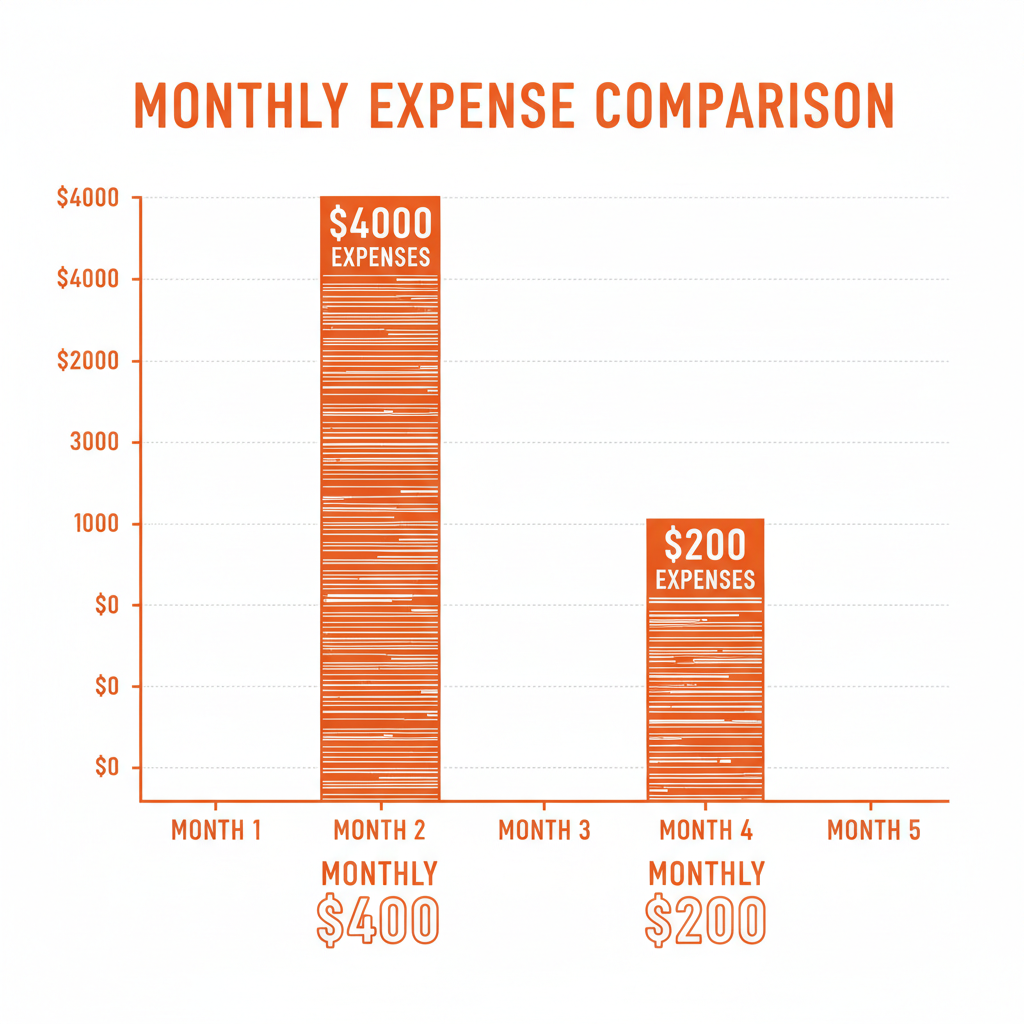
Financial transparency is often missing from content marketing discussions, but the numbers reveal a stark contrast between manual and automated production. When you break down the true cost of an article, including the time spent on management and revisions, the savings offered by an AI content engine become undeniable.
An agency model requires funding a full stack of human talent for every single piece of content. Even at a mid-tier agency, you are paying for an account manager to talk to you, a writer to draft, an editor to polish, and an SEO specialist to optimize. When these roles are consolidated into a software dashboard, the primary cost shifts from payroll to a fixed subscription.
The following table compares the typical monthly expenses for a brand publishing 20 high-quality articles per month:
| Expense Category | Traditional Agency Model | Articfly Workflow |
|---|---|---|
| Personnel / Subscription | $4,000+ Retainer | SaaS Subscription Fee |
| Internal Management | 10-15 hours/month | 2-3 hours/month |
| Additional SEO Tools | $200+ (Ahrefs, etc.) | Included in Dashboard |
| Article Refreshes | Extra Project Fee | Included in System |
| Total Est. Monthly Cost | $4,500+ | $300 - $500 |
This "10x difference" is not just about saving money; it is about what that capital can do elsewhere. Instead of spending $50,000 a year on twenty articles a month, a company can spend $6,000 a year for the same volume and reallocate the remaining $44,000 into product development, paid acquisition, or expanding into new markets.
When to Keep Humans in the Loop
Strategic human intervention remains a critical component of a high-performing content strategy, even when using the most advanced AI engines. The goal of Articfly is not to eliminate humans, but to elevate them to a position of higher leverage where their time is spent on things only a human can do.
Knowing when to let the AI handle the full lifecycle and when to step in is the secret to scaling without losing brand integrity. For standard educational posts, "how-to" guides, and SEO pillar pages, the AI can often handle 90-95% of the heavy lifting. The human editor simply performs a final check for tone and factual accuracy.
However, there are specific scenarios where human expertise should be the primary driver:
- Proprietary Case Studies: If the content relies on internal data or specific company results, a human must provide the core narrative and data points.
- High-Stakes Opinion Pieces: Content that takes a controversial or unique stance on industry trends needs the nuanced "voice" of a company leader.
- Final Fact-Checking: While AI is highly capable, a human should always verify specific technical data or statistics before publication to ensure 100% accuracy.
- Strategic Internal Linking: While the tool suggests links, a human might choose to prioritize a specific high-converting sales page over a general information page.
By defining these boundaries, you create a workflow that is both incredibly fast and reliably high-quality. You stop paying writers to research the basics of a topic and start paying editors to add the "magic" that makes your brand unique.
FAQ
Is AI content safe from Google penalties?Google’s guidelines focus on "helpful content" created for users rather than the specific tool used to create it. Articfly is designed to produce high-quality, structured, and informative articles that meet these standards. By using the built-in SEO tools and ensuring a human editor provides a final polish, your content remains compliant with search engine expectations for quality and relevance.
How much time does it actually take to 'manage' the AI?Most users find that their management time drops by 70-80% compared to managing human freelancers. Instead of writing briefs and chasing drafts, your "management" consists of reviewing the AI-generated editorial roadmap and spending 10-15 minutes per article on a final editorial review before hitting "publish" directly to WordPress.
Can the AI really replicate my brand’s specific tone of voice?Yes. The Brand Voice Analyzer specifically solves the "generic AI" problem. By analyzing your existing URLs, the system identifies your vocabulary, sentence structure, and tone. It then applies these rules to every new article it generates, ensuring consistency across your entire blog without needing to manually prompt the AI for every post.
Do I still need an editor if I use Articfly?We recommend having a human editor for the final 5% of the process. While the AI handles the research, drafting, and SEO optimization, a human editor is best at adding personal anecdotes, proprietary insights, and ensuring the final formatting matches your exact preferences. This shift turns your team into high-level content strategists.
Put this into practice
Starting a content pilot is the most effective way to see how an AI content engine integrates with your existing WordPress workflow. Begin by identifying one core content pillar or a set of 5-10 keywords that you have been putting off due to budget or time constraints.
First, use the Brand Voice Analyzer to map your site's existing tone so the new content feels like a natural extension of your brand. Second, connect the WordPress plugin to your staging or live site to experience the ease of direct publication. Finally, generate your first batch of articles in Advanced Mode and assign a team member to act as the "Lead Editor" for a final review.
By running this 30-day experiment, you can measure the actual reduction in production time and cost compared to your previous methods. Move away from the friction of the agency model and toward a system that publishes, optimizes, and keeps your blog alive automatically.
Want the system behind this content?
Join the top 1% of SEOs generating programmatic, high-converting organic traffic completely on auto-pilot.
DEPLOY ARTICFLYMore Articles
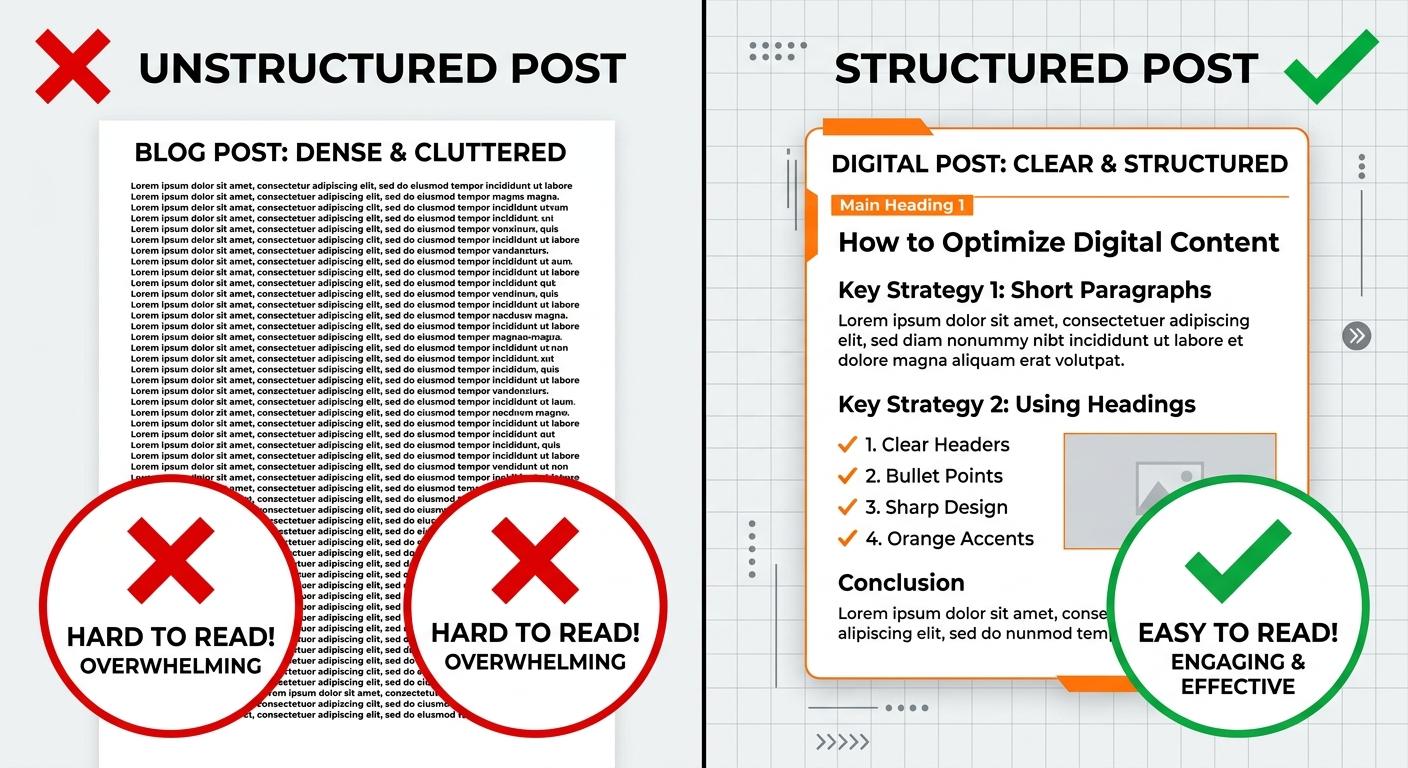
Why People Stop Reading Your Blog Post After 30 Seconds (and How to Fix It)
Most readers decide to stay or leave a blog post within the first 30 seconds. If your bounce rates are high, it's likely due to structural friction, poor hooks, or a lack of immediate value. Learn how to diagnose engagement killers and use AI-driven optimization to keep readers scrolling.
READ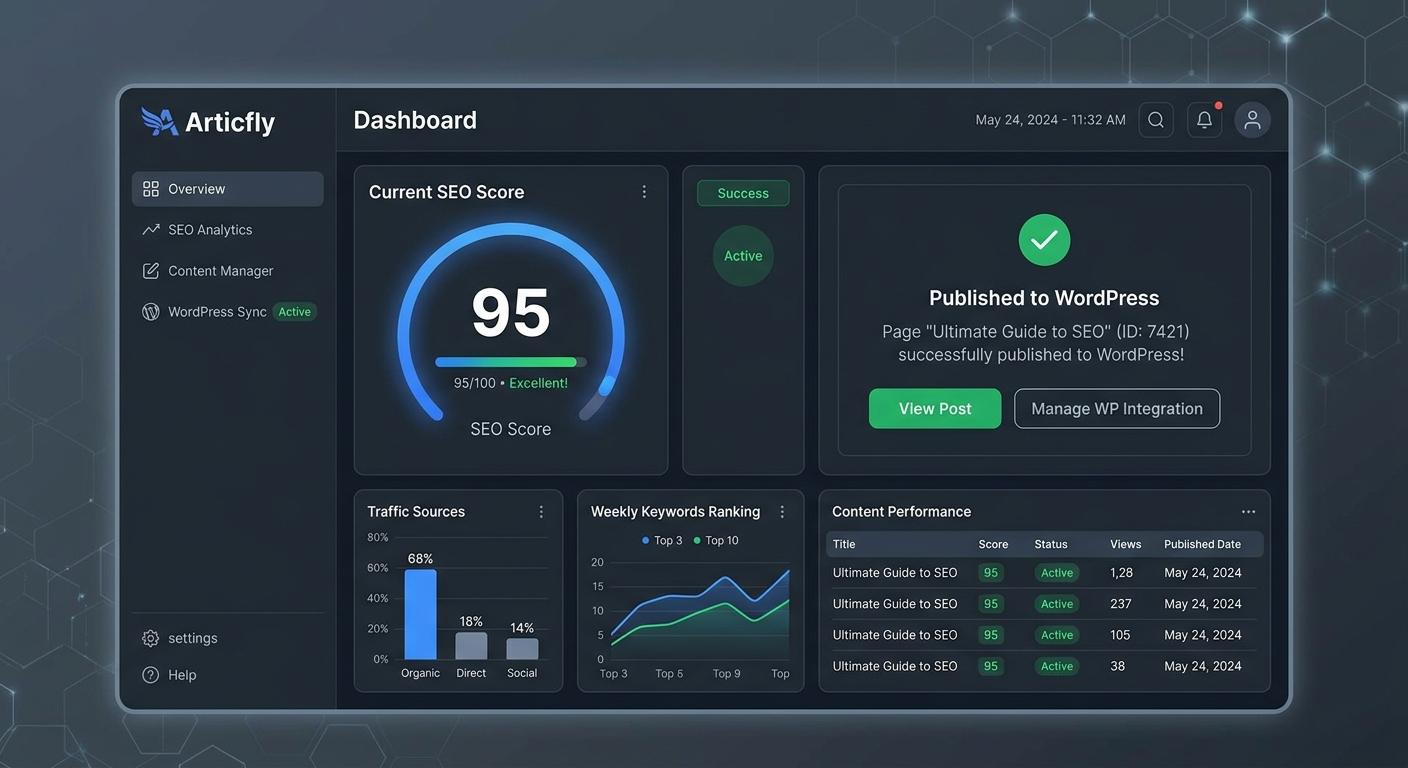
The $15 Blog Post That Brings in $2,000/Month: How AI Content Delivers 130x ROI
Discover the unit economics of high-scale AI publishing. Learn how to leverage Articfly to produce $15 blog posts that generate $2,000 in monthly recurring revenue through SEO optimization, automated publishing, and strategic content refreshing.
READ
Brand Voice in AI Content: How to Stop Your Blog from Sounding Like a Robot
Generic AI content is killing brand authority. Learn how to use Articfly’s Brand Voice Analyzer and Advanced Mode to produce high-scale, SEO-optimized content that sounds like your team, not a machine.
READ