
Understanding the Need for a Risk‑Free SEO Strategy

A risk-free SEO strategy is becoming the standard for marketing leaders navigating the complexities of 2026. Industry reports indicate that algorithm volatility and budget constraints are driving a shift toward more predictable growth models. This approach ensures that every resource allocated is backed by data and clear ROI expectations.
| SEO Challenge | Risk-Free Solution |
|---|---|
| Algorithm Volatility | Data-backed planning and intent mapping |
| Budget Overruns | Predefined performance gates and caps |
| Resource Gaps | AI automation via Articfly |
Executives are increasingly concerned with ROI visibility and resource allocation. By focusing on low-risk, high-return approaches, content teams can provide the stability leadership requires. Why AI Content Matters and recent reports on 2026 SEO trends suggest that flexibility is key to long-term success.
Current SEO challenges in 2026
Rapid AI-generated content competition has saturated many traditional search landscapes. Frequent core-algorithm updates require teams to be more agile than ever before. Additionally, new data privacy regulations are affecting how teams track and measure user engagement.
Executive concerns and ROI expectations
Leadership teams now prioritize measurable KPIs over simple traffic metrics. There is a strong preference for pilot projects that prove value before a full roll-out is approved. Modern SEO must emphasize cost-per-acquisition and lifetime value to remain relevant in the C-suite.
Core Principles of a Risk‑Free SEO Blueprint

Foundational pillars of stability allow teams to maintain search visibility without exposing the brand to unnecessary financial loss. By focusing on intent mapping and performance gates, organizations can scale content production with confidence. This framework prioritizes long-term sustainability over high-risk, short-term gains.
- Use AI to cluster keywords by commercial intent.
- Prioritize long-tail terms with low competition.
- Set predefined CPA thresholds for all content.
- Publish minimal viable articles and iterate based on data.
Effective keyword research automation and following a guide on SEO KPIs helps maintain these standards. These principles ensure that every piece of content serves a specific business purpose. Without these gates, SEO remains a speculative investment rather than a predictable growth channel.
Data‑driven keyword selection
Modern strategies use AI to cluster keywords by commercial intent to ensure alignment with sales goals. Prioritizing long-tail terms with low competition allows for faster ranking results. This approach reduces the time-to-value for new content assets.
Agile content testing and iteration
Publishing minimal viable articles allows teams to measure engagement before investing in deep-dive content. Leveraging A/B testing on headlines and meta data ensures that the most effective versions are prioritized. This iterative cycle keeps content relevant and high-performing.
Budget caps and performance gates
Setting predefined CPA thresholds prevents budget leakage on low-performing topics. Teams should pause or reallocate spend immediately if metrics miss established targets. This financial discipline is central to maintaining a risk-free profile.
Leveraging AI‑Powered Tools like Articfly

Advanced automation tools like Articfly eliminate the manual errors and overhead costs typically associated with high-volume content. Our platform integrates seamless SEO structuring and content planning to streamline your workflow. This allows your team to focus on high-level strategy while the system handles the heavy lifting of production.
Reviewing a Product Tour and consulting Google Search Central on AI-generated content policies reveals the importance of quality control. Articfly ensures that every article meets brand standards and search requirements automatically. This reduces the need for extensive manual editing and revision cycles.
Automated content planning and writing
Users can input a keyword and intent to receive a full outline and draft in minutes. The system enforces a consistent tone and brand voice across all generated materials. This automation allows for rapid scaling without sacrificing the quality of the narrative.
Real‑time performance monitoring
The centralized dashboard shows rankings, traffic, and conversion metrics in real-time. Automated alerts notify the team when performance deviates from established risk thresholds. This visibility ensures that problems are addressed before they impact the bottom line.
Integration with existing workflows
API connectors allow for easy integration with platforms like WordPress, HubSpot, and custom CMS solutions. Export options for editorial calendars help teams maintain a consistent publishing schedule. These integrations ensure that AI fits perfectly into your existing tech stack.
Step‑by‑Step Implementation Guide

A concrete implementation roadmap ensures that the transition to a low-risk SEO model is phased and measurable. Starting with a baseline audit allows you to identify quick wins before committing significant resources. Each subsequent phase builds on the data collected during the initial pilot.
Case studies show that using Articfly can reduce content costs by up to 40% when applied correctly. Examining reputable reports on pilot SEO programs highlights the value of this structured approach. This methodology minimizes the risk of large-scale failure by validating ideas early.
Phase 1 – Audit and Baseline Setup
Inventorying existing content helps map current rankings and identify gaps in the strategy. Identifying quick-win keywords with low competition provides immediate momentum for the project. Defining baseline KPIs like organic traffic and conversion rates is essential for future comparison.
Phase 2 – Pilot Content Production
Use Articfly to generate five to ten pilot articles to test the market response. Apply performance gates strictly, stopping any production where CPA exceeds the target. Collecting this initial engagement data allows for refined keyword clustering in the next phase.
Phase 3 – Scale with Executive Oversight
Present pilot results in an executive dashboard to secure budget for a broader rollout. Once ROI is proven, implement automated scaling rules within Articfly to increase volume. This ensures that scaling is always supported by historical performance data.
Measuring Success Without Risk
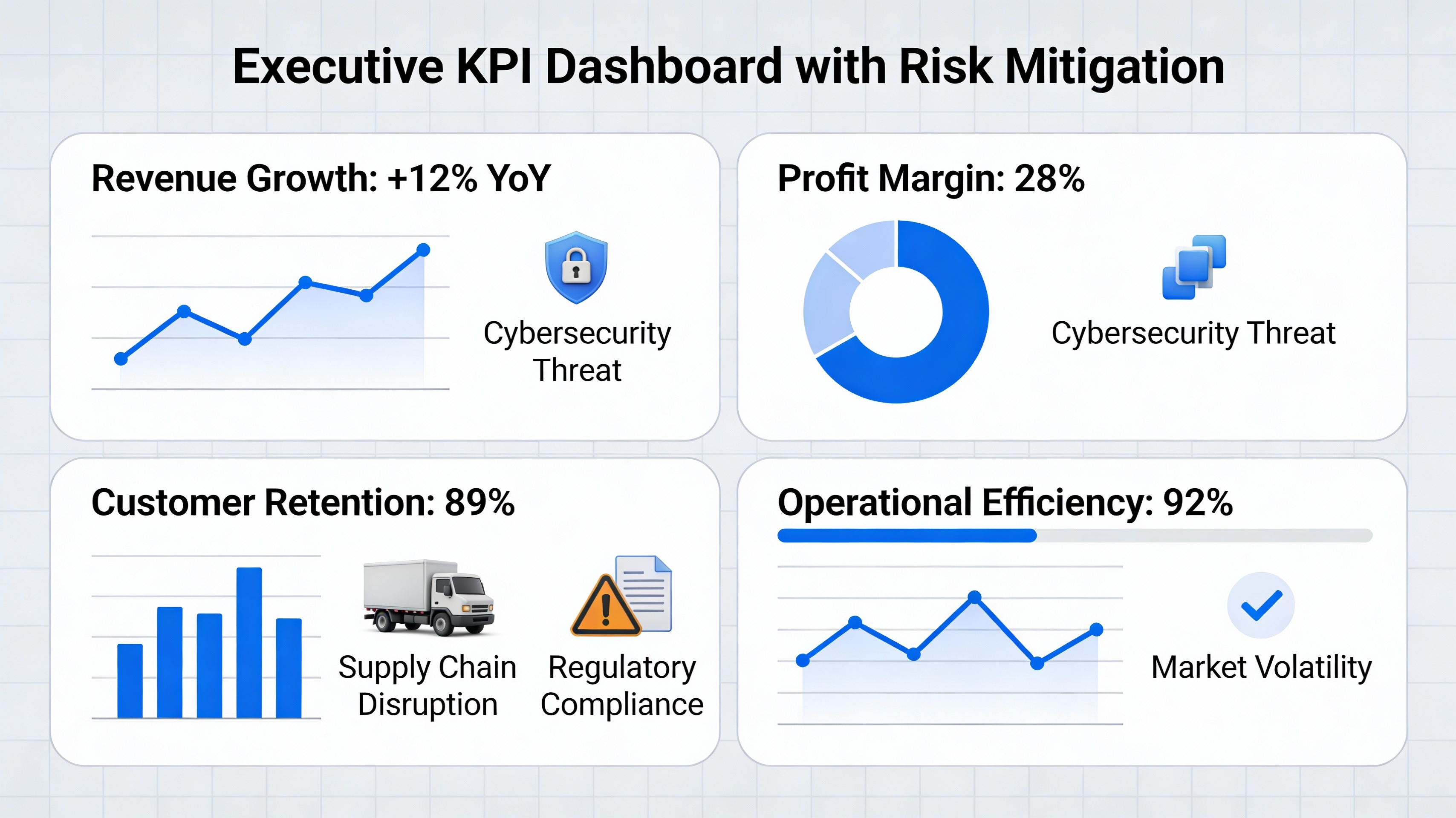
Transparent reporting for stakeholders is the final step in validating a risk-free content program. Executives require visibility into how organic traffic growth translates into specific business outcomes like cost-per-acquisition. Continuous optimization ensures the strategy evolves alongside changing market conditions.
| KPI Metric | Executive Concern Addressed |
|---|---|
| Cost Per Lead (CPL) | Budget Efficiency and ROI |
| Conversion Rate | Content Relevance and Quality |
| Organic Traffic Trend | Long-term Market Authority |
Utilizing Analytics and Reporting features alongside a Google Analytics best-practice guide provides a clear view of performance. These tools help mitigate risk by highlighting exactly where investments are yielding results. This level of transparency builds trust between marketing teams and leadership.
KPI dashboard for executives
Focus on organic traffic growth, conversion rates, and the overall cost per lead. Visuals that map these trends against budget spend help demonstrate the efficiency of the strategy. This data-heavy approach satisfies the need for rigorous financial accountability.
Risk mitigation checkpoints
Regular pre-launch reviews and post-pilot audits serve as essential safety valves. Quarterly ROI reviews ensure that the strategy remains aligned with overarching business goals. These checkpoints allow for course correction before significant resources are wasted.
Continuous optimization loop
Automated insights from AI assist in identifying when content requires a refresh. Scheduled updates keep legacy articles competitive and ranking well in search results. This loop ensures that the entire content library remains an active asset.
Key Takeaways
- Data-driven keyword selection is essential for mapping search intent and ensuring commercial relevance.
- AI automation via Articfly significantly reduces the financial and operational risks of scaling content.
- Executive-friendly KPIs such as CPL and conversion rates ensure long-term stakeholder buy-in and budget security.
- Phased implementation through audits and pilots allows for proven ROI before significant capital commitment.
FAQ
How does a "risk-free" SEO plan differ from traditional SEO?Traditional SEO often involves high upfront costs and speculative keyword targeting. A risk-free plan uses performance gates, AI automation, and phased pilots to ensure every dollar spent is backed by engagement data and measurable ROI.
What ROI can executives realistically expect in the first 6 months?While results vary, pilot projects often show measurable growth in traffic and lead quality within the first few months. By focusing on quick-win keywords, teams can demonstrate value to leadership much faster than traditional methods.
Can Articfly integrate with our existing CMS and analytics stack?Yes, Articfly offers robust API connectors for popular platforms like WordPress and HubSpot. It is designed to fit into your existing workflow, allowing for seamless content export and performance tracking.
How much budget is needed for a pilot versus full rollout?A pilot is designed to be low-cost, focusing on 5-10 strategic articles. This allows you to prove the concept before requesting a larger budget for a full-scale rollout based on the initial pilot's success.
What safeguards prevent AI-generated content from violating Google policies?Articfly prioritizes helpful, human-centric content that aligns with search intent. By focusing on high-quality SEO structuring and brand voice enforcement, the platform ensures content meets the standards set by search engine guidelines.
Next steps for risk-free SEO strategy
Transitioning to a risk-free model requires the right tools and a clear roadmap. Scheduling a live demo of Articfly’s workflow allows you to see how automation can stabilize your content production. You can also explore reputable guides on evaluating SEO tools to ensure your stack is optimized for 2026.