
Introduction: Why Content Gap Analysis Matters

Content gap analysis is the process of identifying missing topics on your website that your competitors are already using to capture traffic. By discovering these holes in your strategy, you can improve SERP visibility and prevent content decay from slowing your organic growth. Modern AI tools like Articfly help streamline this analysis, turning a once-laborious task into a quick win for content teams.
Conducting a thorough audit ensures your brand remains relevant to search intent while staying ahead of industry shifts. When you bridge these gaps, you provide more value to your audience and signal authority to search engines. It is the most direct way to drive organic traffic without reinventing your entire marketing strategy.
| Feature | Current Content | Ideal Content |
|---|---|---|
| Topic Coverage | Basic/Fragmented | Comprehensive/Interlinked |
| Keyword Ranking | Page 2+ or Missing | Top 3 Positions |
| User Intent | Mismatched | Fully Aligned |
To learn more about how automation can assist this process, explore Articfly Features page or check HubSpot’s “Content Gap Analysis” guide for foundational concepts.
The 5‑Step Framework to Complete a Gap Analysis in 30 Minutes
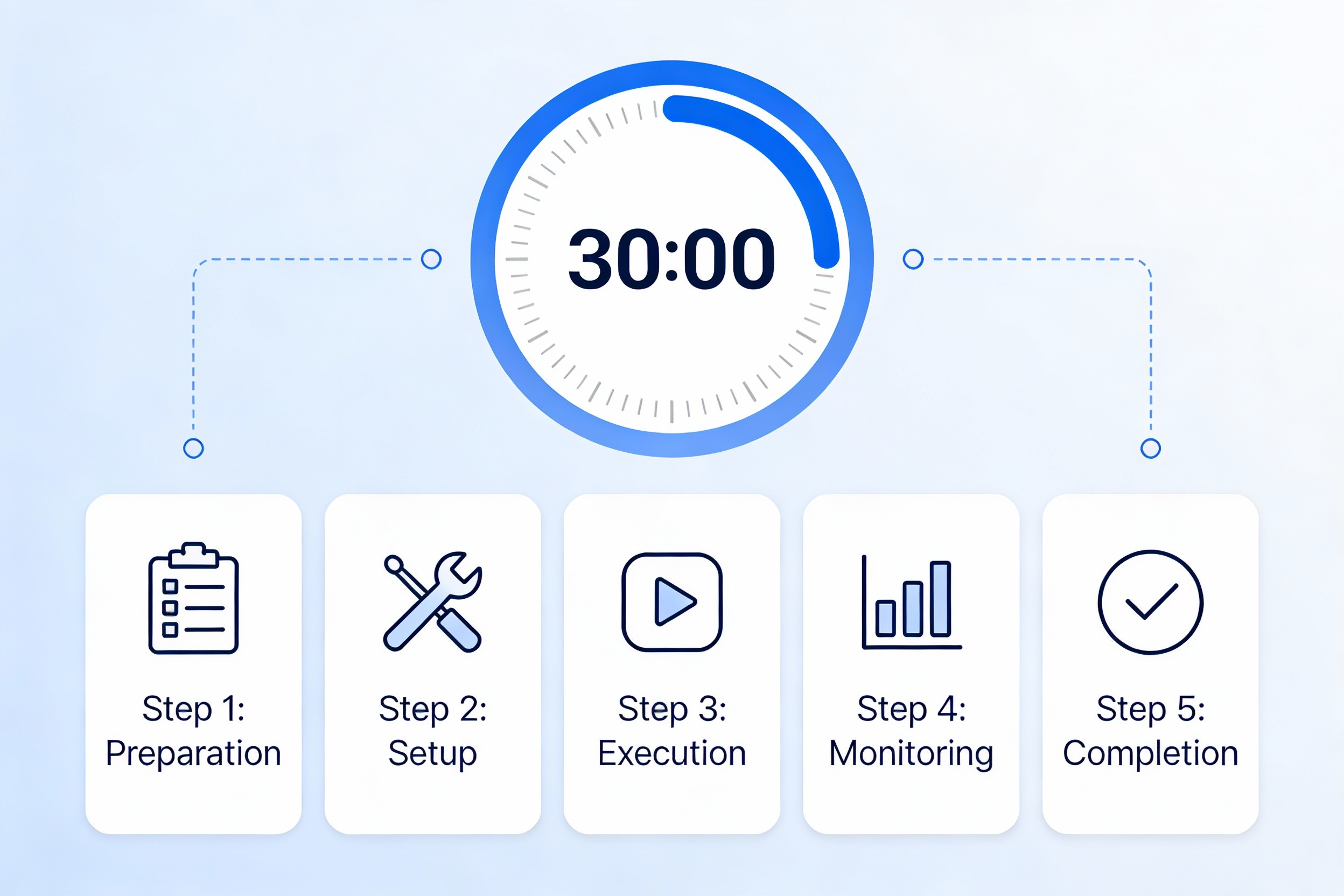
A concise framework allows you to stop guessing and start executing with precision. This 5-step method is designed for speed, ensuring that SEO managers and agency teams don't get bogged down in data paralysis. By time-boxing each phase, you focus only on the highest-impact opportunities that move the needle.
Using the right workflow allows you to identify, score, and plan new content within a single lunch break. This methodology integrates seamlessly with tools like Articfly AI Planning tool and aligns with industry standards found in the SEMrush “Content Gap Analysis” article.
- Set Clear Goal & Time Box (5 Minutes)
- Pull Your Content Inventory Fast (5 Minutes)
- Spot Competitor Gaps (10 Minutes)
- Score & Prioritize Gaps (5 Minutes)
- Draft a Rapid Action Plan (5 Minutes)
Step 1 – Set Clear Goal & Time Box
Defining your objective before you start prevents "scope creep" from turning a quick task into a week-long project. You should focus on a specific business goal, such as increasing lead generation or building authority in a specific niche topic. Once the goal is set, choose one target keyword cluster and start a timer for 30 minutes to maintain momentum.
| Business Goal | Primary Metric |
|---|---|
| Brand Authority | Keyword Breadth |
| Lead Generation | Conversion Rate |
| Organic Growth | Monthly Sessions |
Successful teams often look at an internal case-study showing a goal-driven analysis to see how narrow focus leads to faster results. By keeping the target tight, you ensure the data you gather is immediately actionable.
Step 2 – Pull Your Content Inventory Fast
Gathering your existing assets doesn't require a manual audit of every single page on your site. Use a site-crawl tool like Screaming Frog or Ahrefs to export your URLs and filter them by traffic volume. Focus on pages that typically receive a noticeable amount of visits per month to understand what is currently working.
Exporting this data to a simple CSV file makes it much easier to compare against competitor data in the next step. For a detailed walkthrough on gathering this data, consult the external Ahrefs “Content Audit” guide.
| URL, Topic, Current Traffic, Ranking |
| /blog/seo-tips, SEO, High, 3 |
| /blog/ai-writing, AI, Medium, 12 |
Step 3 – Spot Competitor Gaps in Minutes

Competitor gap identification is about finding the specific keywords your rivals rank for that you are currently missing. Select 3–5 top competitors who consistently appear in search results for your target topic. Pull their top-ranking keywords and cross-reference them with your own filtered inventory to find the "missing" subjects.
This process highlights exactly where your competitors are winning and where your audience is going for answers instead of your site. You can use the Articfly Competitor Analysis feature or follow the Backlinko “Content Gap Analysis” guide to refine this comparison.
- Competitor A ranks for: "AI blog automation" (You: No)
- Competitor B ranks for: "Content gap tools" (You: No)
- Competitor C ranks for: "SEO scaling" (You: Yes)
Step 4 – Score & Prioritize Gaps
Prioritizing your findings ensures you don't waste resources on low-impact keywords that are too difficult to rank for. Use a simple scoring system that weighs traffic potential against the effort required to create the content. This allows you to pick the top 3 gaps that will yield the fastest results within your 30-minute window.
| Potential vs Effort | Low Effort | High Effort |
|---|---|---|
| High Potential | Priority 1 (Quick Win) | Priority 2 (Strategic) |
| Low Potential | Priority 3 (Filler) | Discard |
Refer to the HubSpot “Content Gap Prioritization” article for more advanced scoring matrices if your team has more time. For this rapid method, sticking to a high/low comparison is usually sufficient for choosing your next blog topics.
Step 5 – Draft a Rapid Action Plan
Converting gaps into tasks is the final step in making your analysis matter. Assign an owner and a deadline for each prioritized gap and decide whether the gap is best filled by a blog post, an FAQ, or an infographic. This transforms abstract data into a concrete content calendar that your team can follow immediately.
Feeding this plan into a tool like Articfly allows you to automatically generate outlines and full drafts based on the gaps you've discovered. Check the internal onboarding guide for feeding data into Articfly to see how this step can be fully automated.
| Target Topic | Content Type | Deadline |
|---|---|---|
| AI Automation Guide | Blog Post | Friday |
| Content Audit FAQ | FAQ Page | Next Monday |
Leveraging AI to Accelerate the Process
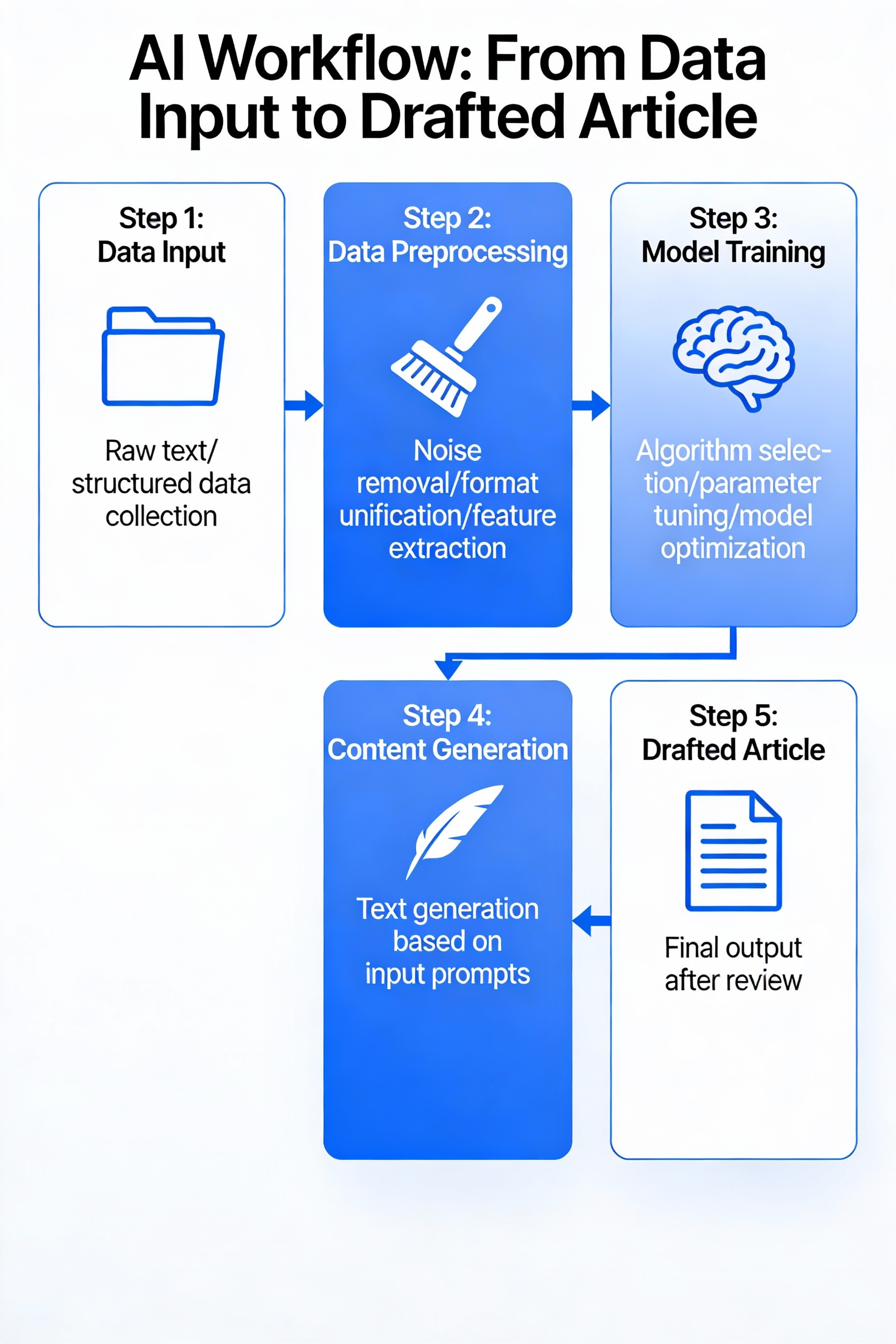
Artificial intelligence significantly reduces the manual effort required to move from analysis to publication. Instead of manually drafting every outline, Articfly auto-generates keyword clusters and optimized structures based on your prioritized list. This allows for one-click content creation that maintains your brand voice while adhering to SEO best practices.
By automating the heavy lifting, your team can focus on strategy and refinement rather than starting from a blank page. For more details on these capabilities, visit the Articfly AI Content Creator product page.
"Manual analysis typically takes 4–6 hours. With AI-assisted planning, the same results are often achieved in under 30 minutes."
Common Pitfalls & How to Avoid Them
Avoiding common mistakes is key to keeping your analysis efficient and useful. Many marketers fall into the trap of over-analyzing data points that don't actually impact their bottom line. It is also common to ignore where the reader is in their buyer's journey, leading to content that doesn't convert even if it ranks well.
Ensure you are using fresh data, as relying on outdated exports can lead to targeting keywords that are no longer relevant. For a deeper dive into these errors, see the HubSpot article on content gap analysis pitfalls.
- Don't spend more than 30 minutes on the initial analysis.
- Don't ignore the intent behind the keywords you find.
- Don't try to fill every single gap at once.
- Don't use data sources older than 3 months.
Key Takeaways
- Identify missing content by comparing your inventory with 3–5 top competitors.
- Time-box the entire process to 30 minutes to ensure rapid execution.
- Prioritize gaps based on high traffic potential and low creation effort.
- Use AI tools like Articfly to turn gaps into ready-to-publish drafts instantly.
- Keep goals narrow to avoid data overload and maintain strategic focus.
FAQ
How often should I run a content gap analysis?Running an analysis once a quarter is typically sufficient for most brands to catch new competitor trends and prevent content decay.
Can I use free tools for the competitor research step?Yes, while paid tools offer more automation, you can use free versions of keyword planners or manual search results to identify competitor topics.
What if my site has very little existing content?In this case, focus almost entirely on competitor gaps to build your foundational content strategy from scratch.
How does Articfly import the prioritized gaps?You can input your target keywords and topics directly into the Articfly planner, which then builds structured outlines and drafts automatically.
Is the 30‑minute method suitable for large enterprises?Yes, but enterprises should apply the 30-minute limit to specific sub-sections or product categories rather than the entire domain.
Next steps for content gap analysis
Ready to cut the analysis time in half? Start a free trial of Articfly and let AI do the heavy lifting. You can turn your newly discovered gaps into professional, SEO-optimized articles in just a few clicks.
Start Your Free Trial