
The Rise of AI-Powered Search Engines
The Rise of AI-Powered Search Engines is fundamentally changing how information is discovered and consumed on the internet. Unlike traditional systems that rely on matching keywords to a list of links, these new platforms utilize large language models and multimodal indexing to understand complex queries. According to recent industry reports, the market for AI-first search is expanding rapidly as users seek more direct, conversational answers.
What Defines an AI Search Engine?
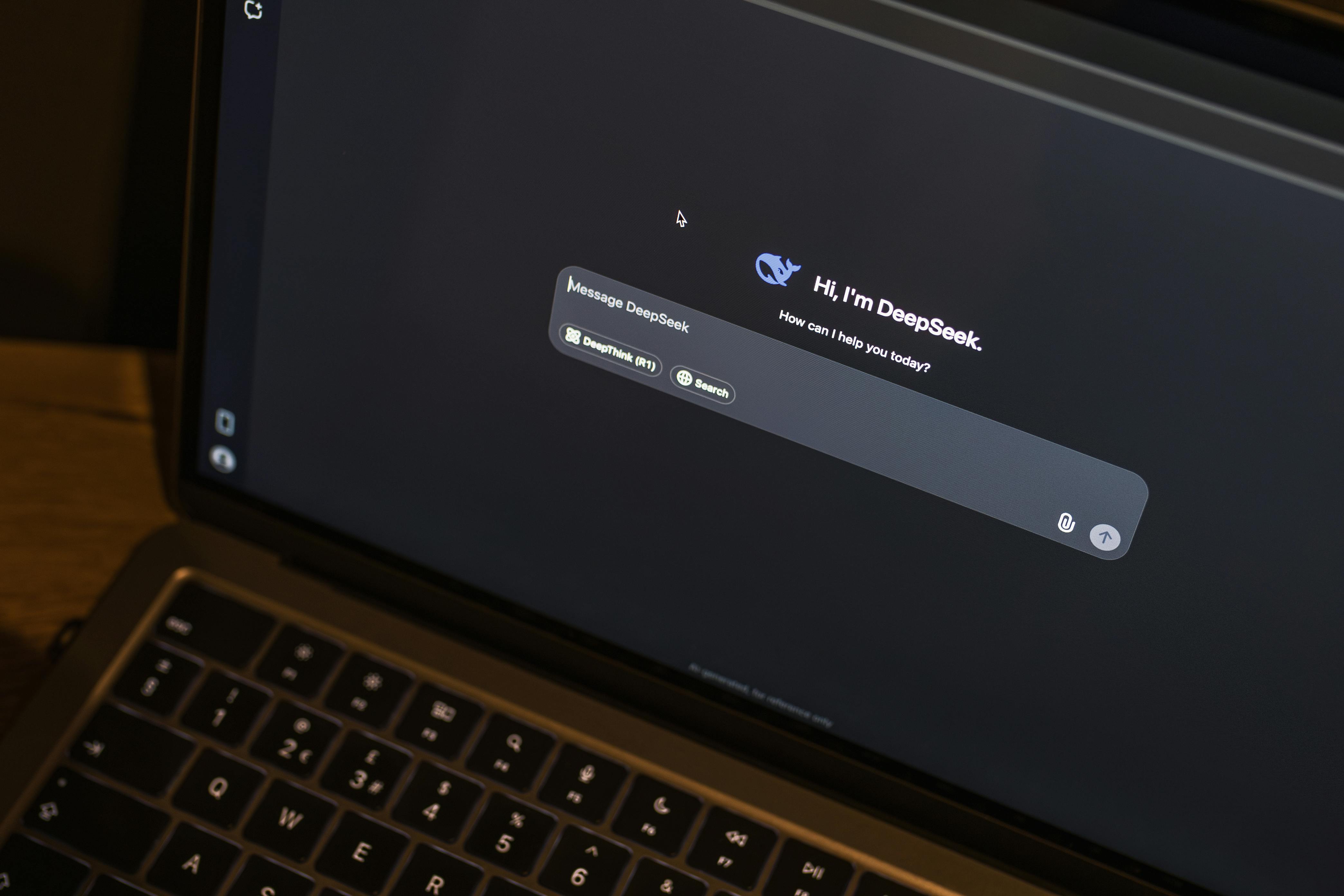
AI search engines are defined by a tech stack that prioritizes generative intelligence over simple indexing. These systems process natural language with high contextual awareness, allowing them to synthesize information from multiple sources into a single response. This shift represents a move toward "answer engines" that value utility and speed.
Leading AI Search Platforms in 2026
Several specialized platforms have gained significant traction, offering alternatives to traditional search giants. Companies like Neeva AI, You.com, and Perplexity AI have introduced features such as ad-free interfaces and high-level personalization. These platforms are becoming the preferred choice for tech-savvy users who prioritize privacy and depth in their search results.
| Feature | Traditional Search (Google) | AI Search Engines |
|---|---|---|
| LLM Depth | Integrated Snippets | Native Generative Logic |
| Personalization | Search History Based | Real-time Context Aware |
| Privacy | Ad-Targeted Data | User-Centric Privacy Models |
For more information on how automation fits into this landscape, you can explore Articfly’s AI content creation page or consult the Search Engine Journal 2026 AI trends report.
Google’s AI Evolution and Its Market Position
Google’s AI Evolution remains a central force in the industry as the company integrates advanced models like Gemini and the Multitask Unified Model (MUM). These upgrades have transformed the Search Engine Results Page (SERP) into a more visual and conversational experience. While Google leverages its massive scale and data richness, it continues to balance these innovations with user privacy concerns.

How Google Integrates AI (Gemini, MUM)
Google’s integration of Gemini allows for more sophisticated visual answers and conversational snippets that appear directly at the top of the SERP. These features are designed to handle multi-layered questions that previously required multiple searches. This evolution ensures that Google remains competitive against agile AI-first startups.
Google’s Strengths and Limitations in 2026
The primary strength of Google lies in its unmatched infrastructure and the sheer volume of data it processes daily. However, its slower pace of innovation in certain areas and the complexities of its advertising model present limitations. Analysts predict that Google will continue to refine its AI roadmap to maintain its dominant market position.
"The future of search is not just finding information, but synthesizing it in a way that provides immediate utility to the user."— Senior Google Engineer (Source: Industry AI Roadmap)
To see how these changes impact performance, view our case study on AI-driven SEO or read the official Google AI roadmap page.
SEO in the Age of AI: Myths Debunked
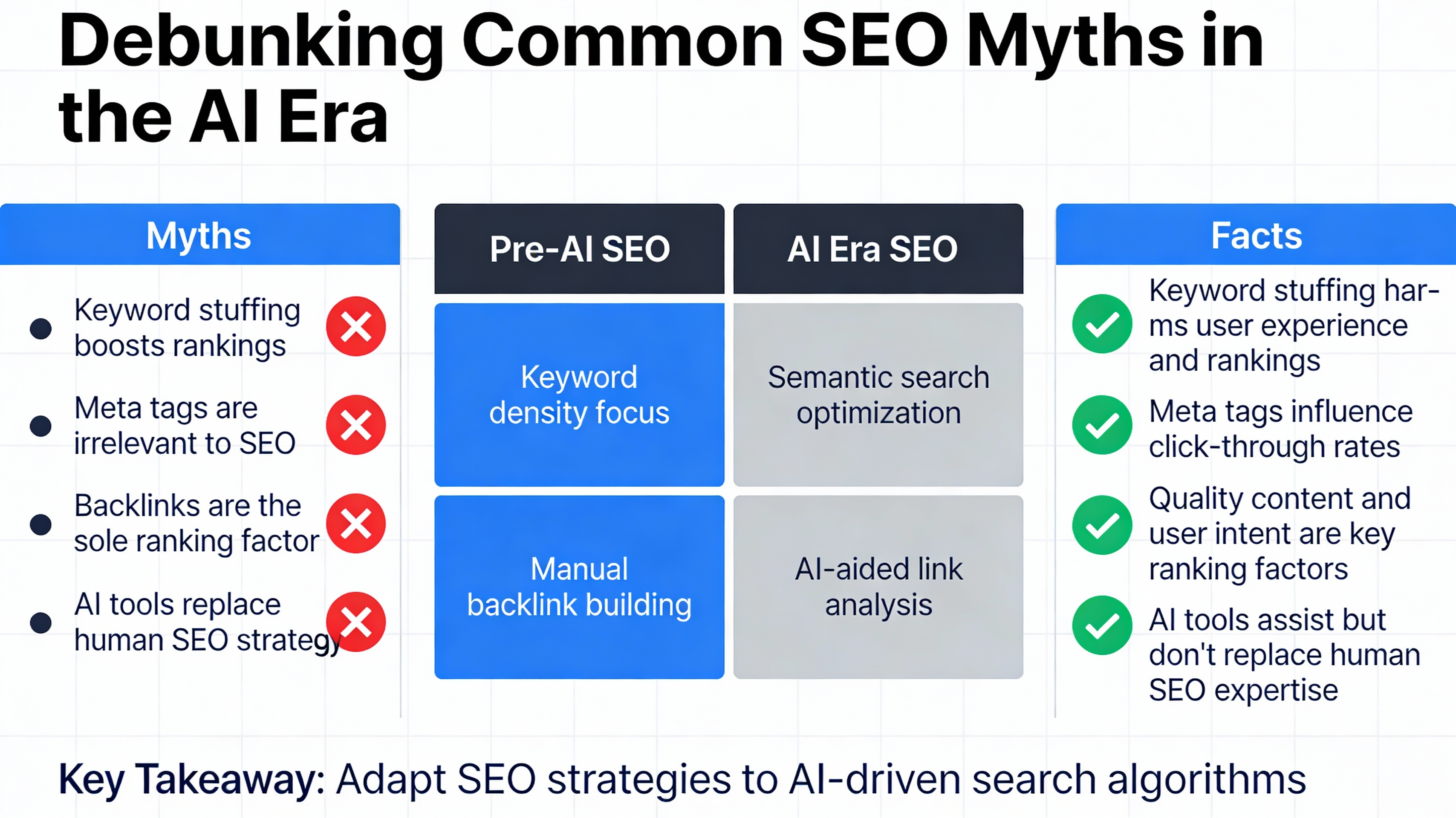
SEO in the Age of AI is often the subject of intense debate among digital strategists and marketing executives. Many believe that the rise of generative answers marks the end of organic search optimization, but this is a common misconception. In reality, AI search engines rely on high-quality, structured content to generate accurate and authoritative responses for users.
Myth 1 – AI Makes SEO Irrelevant
The belief that AI makes SEO irrelevant ignores how these systems actually function. AI models require a constant stream of fresh, well-optimized data to remain useful and relevant. SEO remains the primary method for ensuring your brand’s information is accurately interpreted by these advanced algorithms.
Myth 2 – Keywords Are Obsolete
While the focus has shifted toward semantic understanding, keywords are far from obsolete. They now serve as indicators of user intent rather than simple strings for matching. Understanding the language your audience uses is still essential for aligning your content with both human and AI searchers.
Real Opportunities for SEO with AI
The current landscape offers a unique opportunity for brands that prioritize intent-aligned content. AI search engines reward depth, expertise, and clear information architecture. By focusing on these elements, businesses can capture high-value visibility in conversational search results.
- Myth: SEO is a dying practice. Fact: AI increases the demand for authoritative content.
- Myth: AI search engines don't need websites. Fact: AI relies on the open web for its training and knowledge base.
- Myth: Quality no longer matters with AI. Fact: AI search models prioritize high-quality, expert-backed sources.
Discover more about our SEO-optimized content feature or check out the Moz 2026 SEO myth-busting article for deeper insights.
Why Executives Must Prioritize SEO Today
Why Executives Must Prioritize SEO comes down to the long-term sustainability and profitability of digital marketing efforts. Investing in AI-enhanced organic traffic offers a substantial return on investment by reducing the long-term cost of customer acquisition. Leaders who adopt these strategies early will gain a significant competitive advantage in their respective industries.

ROI of AI-Enhanced Organic Traffic
Organic search remains a highly cost-effective channel when compared to the rising costs of paid advertising. By optimizing for AI-driven search, companies can secure prominent placements in generative summaries and visual snippets. This strategy leads to consistent lead generation without the continuous expenditure required by PPC.
Competitive Advantage and Brand Visibility
Early adoption of AI-aligned SEO ensures that your brand remains visible as search habits transition from links to answers. Failing to adapt to these changes carries the risk of losing market share to competitors who are already optimizing for the AI-first world. Brand authority is now defined by how often your content is cited by search AI.
Business Case: AI-SEO IntegrationRecent data indicates that companies specializing in AI-aligned content strategies have seen their organic leads grow significantly. By focusing on high-intent topics, these firms reduced their cost-per-lead while increasing their overall digital footprint across multiple search platforms.
Check your potential returns with the Articfly ROI calculator or read the latest Gartner report on AI and digital marketing.
Leveraging AI Content Automation with Articfly
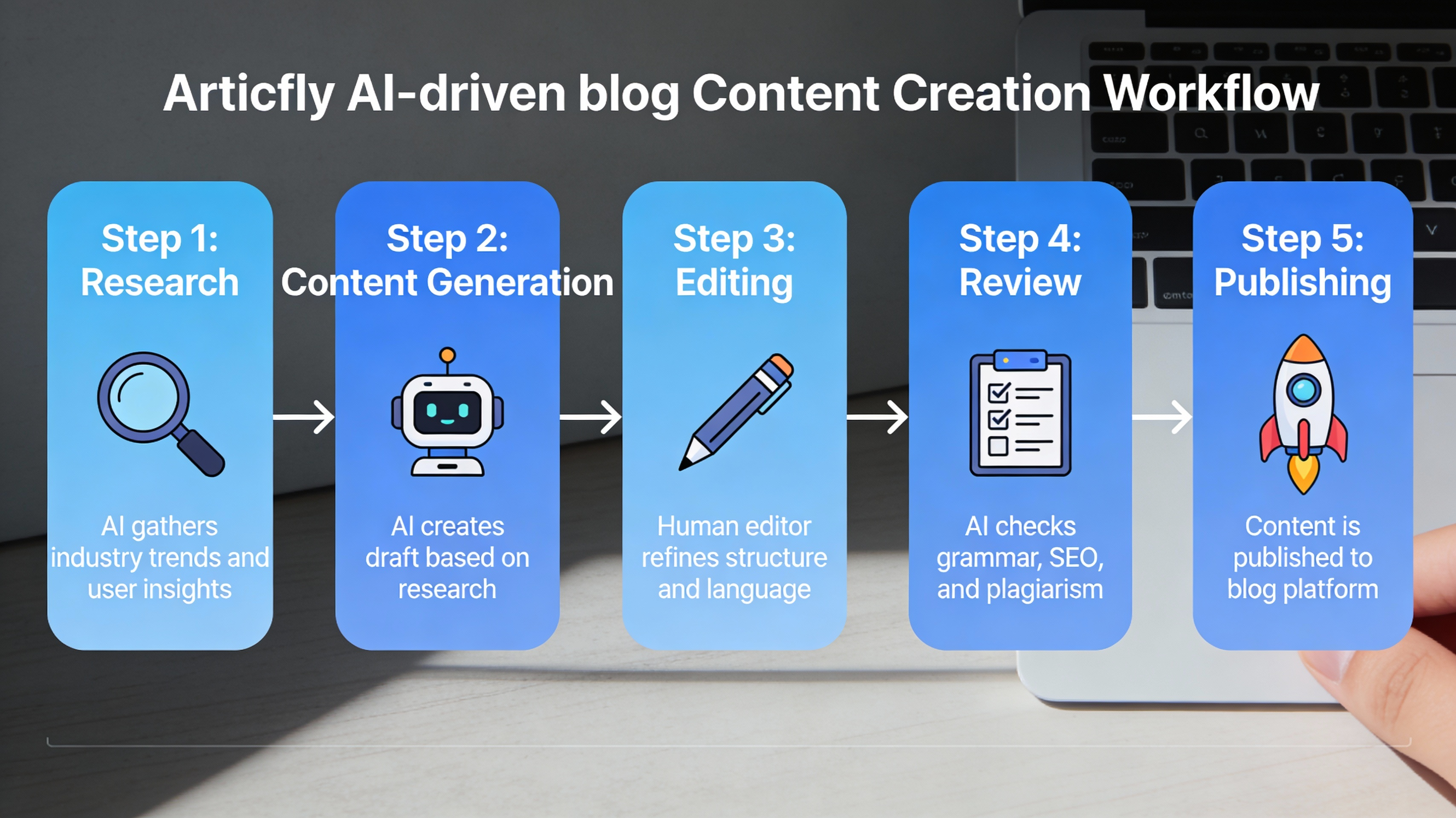
Leveraging AI Content Automation is the most efficient way to scale your digital presence in an AI-dominated search environment. Articfly’s proprietary engine automates the planning, writing, and structuring of blog posts to ensure they meet modern SEO standards. This allows content teams to focus on strategy while the AI handles the production of high-quality, data-driven articles.
How Articfly Aligns with AI Search Trends
Articfly uses large language models to produce content that is tailored for both human readers and AI search algorithms. The system analyzes search intent and applies best practices to every article, ensuring your content is ready to be cited by generative search engines. This alignment provides a future-proof foundation for any content marketing strategy.
Practical Steps to Integrate Articfly into Your Workflow
Integrating Articfly into your current content workflow is a straightforward process that yields immediate results in terms of speed and cost reduction. Teams can go from an initial idea to a fully structured, SEO-optimized blog post in minutes. This scalability is essential for maintaining a consistent publishing schedule that builds authority over time.
View our product demo page or see how we compare in the G2 review of AI content platforms.
Key Takeaways
- AI search engines utilize large language models to provide direct, conversational answers rather than traditional lists of links.
- Google’s evolution through Gemini and MUM maintains its market dominance by integrating AI snapshots directly into search results.
- SEO is not dead; instead, it has evolved to require higher quality, intent-aligned content to feed AI discovery systems.
- Organic traffic ROI remains a critical metric for executives looking to reduce long-term customer acquisition costs through AI-enhanced visibility.
- Articfly’s automation empowers teams to scale high-quality content production while staying compliant with the latest SEO best practices.
FAQ
Will AI search engines replace Google completely?While AI search engines are gaining traction, it is unlikely they will replace Google entirely in the near future. Google’s massive data richness and its own AI evolution allow it to remain a primary player in the digital landscape.
Do I still need keyword research in 2026?Yes, keyword research remains essential, though its focus has shifted toward understanding user intent. Identifying the language your audience uses helps align your content with both traditional algorithms and generative AI models.
How can Articfly improve my SEO ROI?Articfly improves ROI by drastically reducing the time and cost associated with high-quality content production. By automating the SEO structuring process, it ensures every piece of content is optimized for maximum organic visibility.
What budget should I allocate for AI-driven SEO?Budgets vary based on company size, but many analysts suggest reallocating a portion of traditional content and paid search budgets toward AI-driven organic strategies. This investment supports long-term visibility and reduces dependence on paid channels.
Next steps for AI-powered search engines
Staying ahead in the rapidly changing world of digital search requires the right tools and strategy. Articfly provides the automation necessary to turn your ideas into professional, data-driven articles that rank. Schedule a demo today to see how our platform can transform your content production workflow.
Book Your Free AI Content Demo
Visit our demo landing page to get started with your content transformation.