
TL;DR: Agencies often struggle with scaling content production while maintaining quality, leading to missed revenue opportunities. The 10x Framework, powered by AI augmentation and workflow optimization, enables agencies to increase content output tenfold without sacrificing quality. Articfly’s AI platform streamlines research, outlines, and drafting, freeing up human expertise for strategic oversight and client-specific refinements, ultimately boosting client satisfaction and agency profitability.
Spis treści:
- The Agency Content Scaling Challenge
- The Traditional Content Bottleneck: Why Agencies Struggle to Scale
- The 10× Framework: Scaling Content Without Sacrificing Quality
- AI-Powered Content Creation: The Game Changer for Agencies
- Implementing the System: Step-by-Step Agency Workflow
- Measuring Success: KPIs for 10× Content Production
- Case Study: Agency Scaling from 10 to 100 Articles Monthly
- Getting Started: Your 30-Day Agency Content Scaling Plan
The Agency Content Scaling Challenge
Agencies operate in a demanding landscape where client expectations for high-quality, high-volume content are constantly rising. This often presents an impossible choice: compromise on the quality of content or severely limit the quantity you can deliver. Many agencies find themselves caught between these two extremes, struggling to meet aggressive client demands while battling finite internal bandwidth.
The core challenge isn't just about writing more; it's about consistently producing effective, SEO-optimized content that truly moves the needle for clients. As client rosters grow, the manual processes traditionally used for content creation quickly become bottlenecks. This limits the number of clients an agency can comfortably serve and restricts the volume of work they can take on for existing ones, directly impacting potential revenue growth.
Every agency leader understands the frustration of turning down projects or delaying initiatives because the content team is stretched too thin. This isn't just an operational headache; it's a significant barrier to scaling the agency and maximizing profitability. The inability to scale content effectively translates directly into missed revenue opportunities and, in some cases, client churn due to slow delivery or inconsistent output.
Imagine a world where your agency could deliver 10 times more client content without sacrificing an ounce of quality, all within the same operational timeframe. This might sound like a pipe dream, but it's precisely what the 10x framework aims to achieve. By strategically rethinking your approach to content production, you can overcome these scaling constraints, enhance client satisfaction, and unlock unprecedented growth for your agency. This framework isn't about working harder; it's about working smarter, leveraging powerful tools and optimized processes to transform your content delivery capabilities.
The Traditional Content Bottleneck: Why Agencies Struggle to Scale
The traditional content creation pipeline in many agencies is riddled with inefficiencies that hinder scalability. One of the most significant time sinks is manual research. Writers often spend up to 40% of their time meticulously sifting through search results, competitor analyses, and keyword data before even writing the first word. This repetitive, labor-intensive process not only drains resources but also introduces inconsistencies, as each writer might approach research differently.
Another prevalent issue is the availability and turnover of skilled writers. Finding and retaining talent that understands SEO, diverse client industries, and specific brand voices is a constant uphill battle. High turnover rates mean continuous onboarding, training, and a perpetual struggle to maintain a consistent output. Even with a stable team, writer burnout is common when faced with tight deadlines and extensive manual tasks, further exacerbating bandwidth limitations.
Client revision cycles also represent a major bottleneck. Content drafts often go back and forth multiple times, consuming valuable agency and client time. These endless cycles are frequently a result of misaligned expectations, insufficient initial briefing, or a lack of objective data to support content decisions. Each revision adds to the project timeline, delaying delivery and frustrating both parties.
Furthermore, maintaining consistent SEO implementation across a team of writers can be challenging. One writer might be an SEO whiz, while another struggles with on-page optimization. This inconsistency can lead to varying performance across client campaigns, making it difficult to guarantee results and often requiring significant internal editorial oversight to rectify. Such variability undermines the agency's ability to promise and deliver predictable SEO outcomes.
Finally, many agencies experience a "feast or famine" project cycle. Periods of intense workload are followed by lulls, making resource allocation incredibly difficult. This uneven flow prevents proactive content planning and often leads to reactive scrambling, compromising quality under pressure. These accumulated bottlenecks not only limit an agency’s capacity but also impact overall efficiency and profitability, making the dream of exponential growth seem distant.
The 10× Framework: Scaling Content Without Sacrificing Quality
The 10x Framework is a comprehensive methodology designed to revolutionize how agencies produce client content, enabling a significant increase in output without compromising on the high standards your clients expect. This framework is built upon four foundational pillars: automation, standardization, AI augmentation, and workflow optimization. By integrating these elements, agencies can create a highly efficient, scalable content production machine.
Automation focuses on eliminating repetitive, manual tasks. This includes automating initial research, keyword analysis, and even the generation of foundational content structures. Standardization ensures that every piece of content, regardless of the writer or client, adheres to a consistent set of quality, SEO, and brand guidelines. This consistency is crucial for maintaining quality at scale.
AI augmentation represents the most transformative pillar. It's not about replacing human writers but empowering them with advanced tools that can generate comprehensive outlines, conduct deep search intent analysis, and even produce initial drafts at an unprecedented pace. This frees up human experts to focus on strategic thinking, creative refinement, and ensuring brand voice alignment – tasks where human ingenuity truly shines.
Workflow optimization ties everything together by designing lean, efficient processes that minimize bottlenecks and maximize throughput. This means creating clear, repeatable steps from client brief to final delivery, ensuring smooth transitions between automated and human-led stages. The goal is to reduce friction, minimize revision cycles, and accelerate the entire content lifecycle.
Maintaining quality at scale is not just about having the right tools; it’s about establishing systematic processes. This includes rigorous human oversight at critical junctures, particularly for editing, fact-checking, and ensuring the content resonates with the target audience. AI provides the speed and data-driven insights, while human expertise provides the nuance, creativity, and brand adherence that make content truly exceptional.
Moreover, the 10x framework emphasizes creating repeatable processes for different client types and industries. By building templates and AI models tailored to specific niches, agencies can quickly adapt and scale their content strategy across a diverse portfolio, ensuring high quality and relevance no matter the client. This systematic approach allows your agency to grow its content capabilities exponentially.
AI-Powered Content Creation: The Game Changer for Agencies
AI-powered content creation is no longer a futuristic concept; it's a present-day reality transforming how agencies operate. Platforms like Articfly are at the forefront of this revolution, offering specialized tools that address the unique scaling challenges faced by content agencies. Articfly’s proprietary AI system is engineered to analyze search intent and competitor content with unparalleled speed and accuracy. This deep analysis goes beyond simple keyword matching, understanding the underlying user questions and topics that truly drive organic traffic.
One of the most significant advantages for agencies is the ability to generate SEO-optimized article outlines in minutes, not hours. Traditionally, creating a comprehensive, data-driven outline could take a senior content strategist several hours. Articfly automates this process, providing a structured, hierarchical outline complete with subheadings, key topics, and relevant keywords, all aligned with current search best practices. This drastically cuts down the initial planning phase, allowing your team to move to creation much faster.
Maintaining brand voice consistency across all client content is a constant struggle for agencies, especially with multiple writers and diverse client portfolios. Articfly’s AI can be trained on specific brand guidelines, tone-of-voice documents, and existing content samples to ensure that every piece generated adheres to the client's unique identity. This eliminates the need for extensive brand-voice training for every new writer and reduces the number of revisions related to stylistic discrepancies.
Research time, a notorious bottleneck, can be reduced by as much as 80% with Articfly’s automated data gathering capabilities. The AI rapidly aggregates information from top-ranking articles, industry reports, and relevant sources, providing your writers with a rich repository of facts, statistics, and insights. This not only saves immense time but also ensures that the content is always backed by current, authoritative information.
Agencies often manage clients across various industries, each with unique content requirements and target audiences. Articfly is designed to handle this complexity, allowing agencies to switch between multiple client profiles and tailor content generation settings accordingly. This flexibility means your agency can scale its content offerings without needing to specialize or hire an entirely new team for each niche, making high-quality, relevant content for multiple clients simultaneously an achievable goal.
Implementing the System: Step-by-Step Agency Workflow
Implementing an AI-powered content system might seem daunting, but with a structured approach, agencies can seamlessly integrate new tools and processes. The first step involves refining your client onboarding template to capture precise content requirements. This template should gather all necessary information for the AI, including target audience, brand voice guidelines, key messages, and specific SEO goals. A robust initial brief ensures the AI has accurate parameters, minimizing revisions down the line.
Once client requirements are clear, agencies can transition to batch content planning using AI-generated topic suggestions. Instead of brainstorming one-off articles, Articfly can propose a series of related topics and keywords based on client objectives and market research. This allows for more strategic content calendars and efficient resource allocation, as similar topics can be grouped for streamlined production.
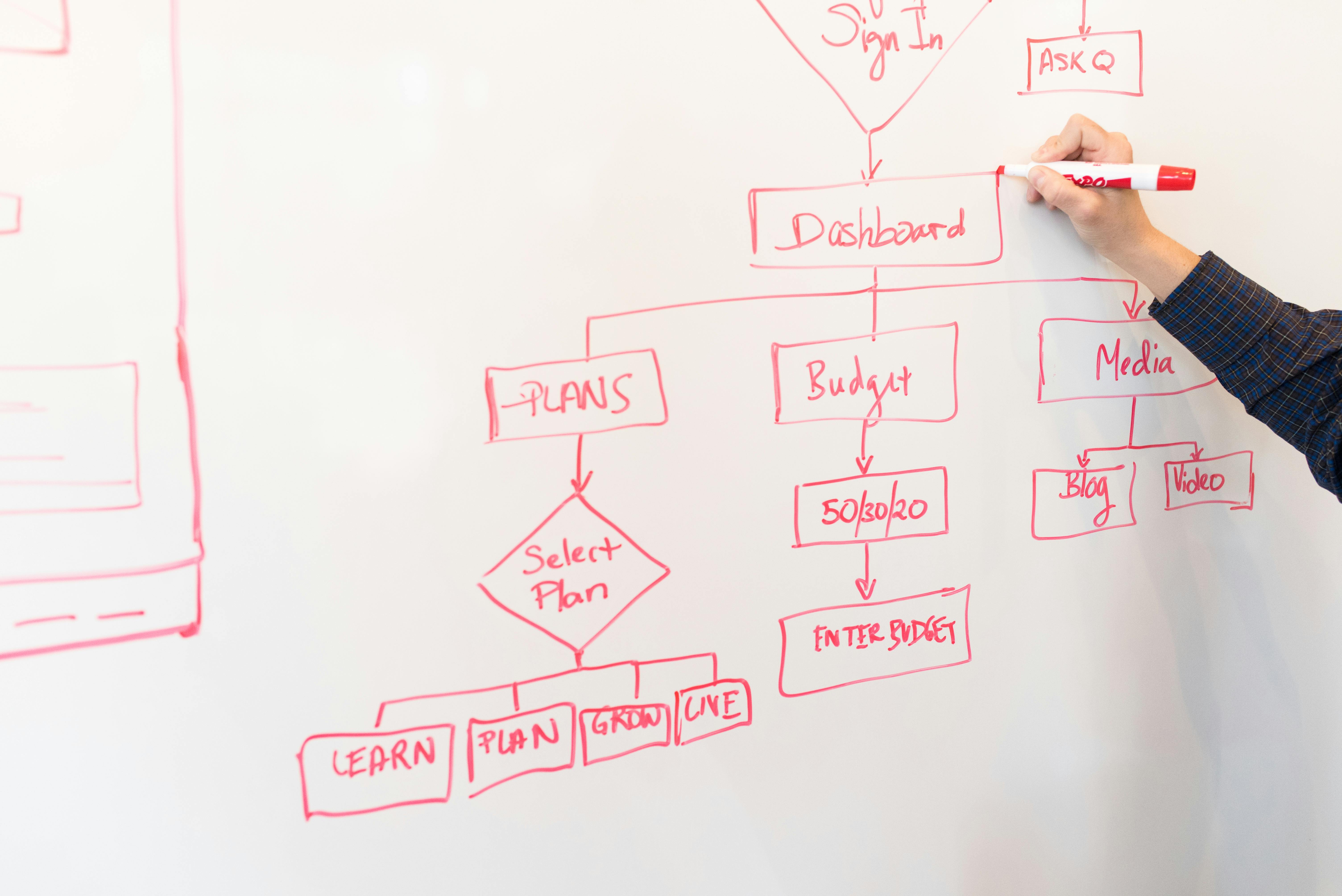
The core of the new workflow revolves around the 3-step AI generation process: research, outline, and draft. First, the AI conducts comprehensive research based on the provided topic and keywords, pulling data from top-ranking sources. Second, it generates a detailed, SEO-optimized outline, complete with headings, subheadings, and key points to cover. Finally, the AI produces a high-quality initial draft, adhering to the specified brand voice and incorporating the gathered research. This process drastically reduces the manual effort required to get content off the ground.
After the AI generates the draft, a critical human editing workflow takes over. This step ensures quality control and deep brand alignment. Your human editors and subject matter experts review the AI-generated content for factual accuracy, nuance, creativity, and perfect adherence to the client's brand voice. They can refine prose, add unique insights, incorporate client-specific anecdotes, and ensure the article is truly publication-ready. This collaborative approach leverages AI's speed for quantity and human expertise for quality.
Finally, optimize your client approval process with collaborative tools. Instead of endless email chains, use shared platforms where clients can provide feedback directly on the draft. With high-quality initial drafts from the AI and human-refined content, the number of revision rounds significantly decreases. This streamlined approval process not only saves time for both the agency and the client but also enhances overall satisfaction through faster delivery and fewer touchpoints.
Measuring Success: KPIs for 10× Content Production
To truly understand the impact of the 10x framework and AI integration, agencies must establish clear Key Performance Indicators (KPIs). The most immediate and tangible metric is time saved per article. Traditional content creation might take an average of 8 hours per article, encompassing research, writing, and editing. With an AI-augmented workflow, this can drop dramatically to an average of 1.5 to 2 hours, freeing up significant bandwidth for your team to focus on higher-value tasks.
Closely related is the monthly content output increase. Agencies should track the number of articles produced per month before and after implementation. Benchmarks can show a 5x to 10x increase in output with the same team size, signifying a massive boost in operational capacity. This increase isn't just about raw numbers; it's about delivering more value to clients consistently.
Client satisfaction scores are crucial. Faster delivery times, more consistent quality, and a higher volume of content directly contribute to happier clients. Implement regular surveys or feedback mechanisms to track improvements in client perceptions regarding content speed, relevance, and overall impact. Positive feedback is a strong indicator of successful content scaling.
From an SEO performance perspective, agencies should closely monitor rankings, organic traffic, and conversions for client content. While AI speeds up production, the ultimate goal is performance. Track how quickly new AI-assisted content ranks, the volume of organic traffic it attracts, and its contribution to lead generation or sales conversions. This demonstrates the tangible ROI of your scaled content efforts.
Finally, agency profitability metrics will reflect the financial benefits of scaling. Analyze the cost per article produced, gross margins on content projects, and overall revenue impact. With reduced production costs and increased capacity to take on more work, agencies should see a significant improvement in their bottom line. A thorough analysis of these KPIs provides a clear picture of how AI-powered content scaling directly contributes to both operational efficiency and financial growth.

Case Study: Agency Scaling from 10 to 100 Articles Monthly
A mid-sized marketing agency, specializing in B2B SaaS clients, faced the common challenge of scaling content. With a team of 8 content writers and strategists serving 15 clients, they were consistently producing around 10 high-quality articles per month. While the quality was excellent, their capacity severely limited their growth potential and delayed client campaigns, leading to occasional frustration.
The agency decided to implement the 10x framework, integrating an AI-powered content creation platform, Articfly, into their workflow. The implementation timeline was set at 30 days, including initial setup, team training, and a pilot phase with a few select clients. The agency dedicated their content lead to overseeing the transition, ensuring smooth adoption and addressing any initial concerns from the writing team.
Their process changes were significant. Instead of manual research and full drafting, the content strategists used Articfly to generate initial outlines and first drafts. Writers then focused their expertise on refining these drafts, adding unique insights, optimizing for client-specific nuances, and ensuring perfect brand alignment. This shifted their role from primary creators to strategic editors and expert curators, leveraging their human judgment where it mattered most.
The results were transformative. Within the first 90 days, the agency successfully increased its monthly content output from an average of 10 articles to over 100 articles, all while maintaining the same team size. This 10x output increase allowed them to onboard new clients, offer expanded content packages to existing ones, and dramatically reduce content delivery timelines.
The business impact was profound. Client retention improved significantly due to faster delivery and consistent content streams. The agency saw a measurable increase in client SEO performance, driving more organic traffic and conversions for their B2B clients. Moreover, their revenue growth accelerated, as they could now comfortably manage a larger volume of content projects without needing to expand their core content team proportionally. This case study demonstrates the tangible benefits of adopting an AI-augmented, systematic approach to content production.
Getting Started: Your 30-Day Agency Content Scaling Plan
Ready to transform your agency's content production and achieve 10x scaling? The journey begins with a strategic 30-day plan designed for rapid, impactful implementation. Start by setting up your free trial of Articfly, specifically configuring it for your agency's team and workflows. Our platform is built to integrate seamlessly, allowing you to establish client profiles, define brand voices, and manage multiple projects from day one.
The first 7 days should focus on a rapid onboarding checklist. This includes importing your initial client data, training your core content team on the Articfly interface, and familiarizing them with the AI-driven research and outline generation features. Prioritize running a few pilot projects with less critical content to get your team comfortable with the new workflow without high-stakes pressure.
Leverage the comprehensive team training resources and best practices guide provided by Articfly. These materials are tailored to help agencies maximize the platform's capabilities, covering everything from advanced prompt engineering to efficient human editing strategies. Ensure every team member understands their new role in an AI-augmented workflow, emphasizing that AI is a co-pilot, not a replacement.
To ensure consistent requirements gathering for your scaled output, utilize Articfly's client onboarding templates. These templates streamline the process of collecting critical information needed by the AI, ensuring that every piece of content starts with a solid, data-rich foundation. This consistency is vital when producing a high volume of articles across diverse clients.
Finally, develop a scaling roadmap for your first 90 days of AI-powered content production. This plan should outline monthly content volume targets, key client campaigns to prioritize, and metrics for measuring success. With Articfly, you're not just creating more content; you're building a more efficient, profitable, and future-proof content agency.
Are you ready to stop struggling with content volume and start delivering 10 times more for your clients? Embrace the future of content production and empower your agency with AI. Sign up for your free trial of Articfly today and discover how effortless high-quality, high-volume content can be. Unlock your agency's full potential and redefine your content delivery capabilities.