
The Evolving Cost Landscape of SEO in 2026

The evolving cost landscape of SEO is shifting as macro trends redefine how organic search functions within a digital marketing strategy. While traditional advertising costs continue to rise, organic search is becoming a more accessible channel for those who understand how to leverage new efficiencies. This trend is largely supported by the shift toward intent-driven SERP features and the reduced production overhead made possible by AI-powered tools.
- Shift from pure keyword competition to intent-driven SERP features.
- Rising paid-search budgets create spillover benefits for organic rankings.
- Improvements in AI-generated content reduce production overhead.
Recent industry analysis from Search Engine Journal suggests that the cost per acquisition in organic search is decoupling from the rising rates seen in paid media. As Articfly helps businesses automate these processes, the financial barrier to entry continues to lower. You can learn more about this in our guide on How AI Improves SEO.
| Metric | Average Paid CPC Trend | Organic CPA Trend |
|---|---|---|
| 2024 Baseline | Standard | Standard |
| 2025 Projection | +12% Increase | -5% Decrease |
| 2026 Forecast | +18% Increase | -15% Decrease |
Why SEO Costs Can Decrease As Competition Rises
Decreased SEO costs often occur as a direct result of increased market saturation in paid channels. When competitors flood the market with paid advertisements, they effectively signal high market demand to search engines, which can validate the importance of the niche. This allows high-quality organic content to thrive as a trusted alternative to paid placements.
- Increased paid spend signals market demand to search engines.
- Google’s algorithm rewards high-quality organic content when paid ads dominate.
The relationship between paid competition and organic visibility is not a zero-sum game; often, the noise created by high ad spend highlights the value of the organic results that users naturally trust more.
Expert Insight, Moz Interview
For more details on how these dynamics work in practice, refer to the Articfly case study.
Factors Driving Lower CPA in Organic Search
Lower CPA in organic search is primarily driven by the integration of automation into technical and creative workflows. By removing the manual labor from repetitive tasks, marketing teams can scale their output without a linear increase in spending. This efficiency is critical for maintaining a competitive edge in 2026.
- AI-assisted keyword clustering.
- Automated schema markup.
- Scalable content production.
These factors are discussed extensively in the Google Search Central blog post on AI and SEO.
How Competitor Spend Influences Your SEO Advantage

Competitor ad spend acts as a catalyst for organic search volume by increasing awareness and interest in specific product categories. As rivals invest heavily in paid campaigns, they expand the pool of potential searchers who may eventually seek out organic results for deeper research. This dynamic creates a "spillover" effect that savvy SEO strategists can exploit.
- Paid campaigns increase overall search volume, enlarging the pool of potential organic clicks.
- Competitors’ ad saturation can push users toward trusted organic results.
- Budget reallocations create opportunities for leaner SEO tactics.
| Niche Type | Paid Click-Through Rate | Organic Click-Through Rate |
|---|---|---|
| SaaS / Software | 2.1% | 28.4% |
| Financial Services | 1.8% | 22.1% |
| E-commerce | 2.5% | 31.2% |
To understand the budget implications of these trends, view the Articfly pricing page. Market analysis reports from Statista further highlight the growth in digital spend across these sectors.
The Spillover Effect of Paid Search on Organic Rankings
The spillover effect describes how user behavior data from paid advertisements helps search engines refine their organic ranking models. When a user interacts with an ad and then conducts a follow-up organic search, the search engine gathers data on relevance and intent. This data eventually benefits organic content that matches that identified intent.
- Search engines interpret ad spend as relevance signals.
- User behavior data from ads informs organic ranking models.
Search algorithms are increasingly adept at using signals from across the SERP to determine what content truly satisfies a user's curiosity after they have engaged with initial advertisements.
This phenomenon is explored further in several recent research papers regarding algorithmic search behavior.
Real-World Examples (Qualitative)
Real-world scenarios demonstrate how brands successfully navigate these economic shifts to capture organic traffic. By monitoring the market, companies can identify when to push organic content to catch the overflow from a competitor's expensive marketing blitz.
- Fintech Growth: A startup in the fintech space saw organic traffic rise significantly after a competitor’s massive PPC push increased category awareness.
- E-commerce Capture: An e-commerce brand leveraged AI-generated blogs to capture overflow demand when ad costs became prohibitive for their peers.
You can find more detailed narratives in the Articfly success stories collection.
Leveraging AI-Powered Content Creation to Maximize ROI

AI-powered content creation is the primary tool for maximizing return on investment in the modern search landscape. By automating the research and optimization phases, businesses can produce professional-grade articles at a fraction of the traditional cost. This allows for a much higher frequency of publication without sacrificing the quality search engines demand.
- Automated topic research aligned with search intent.
- One-click SEO optimization including meta tags, headings, and internal linking.
- Scalable production reduces the per-article cost significantly.
The Articfly feature overview provides a look at how this technology integrates with your current workflow. Supporting evidence can also be found in recent AI-content studies published by industry analysts.
How Articfly Automates SEO Best Practices
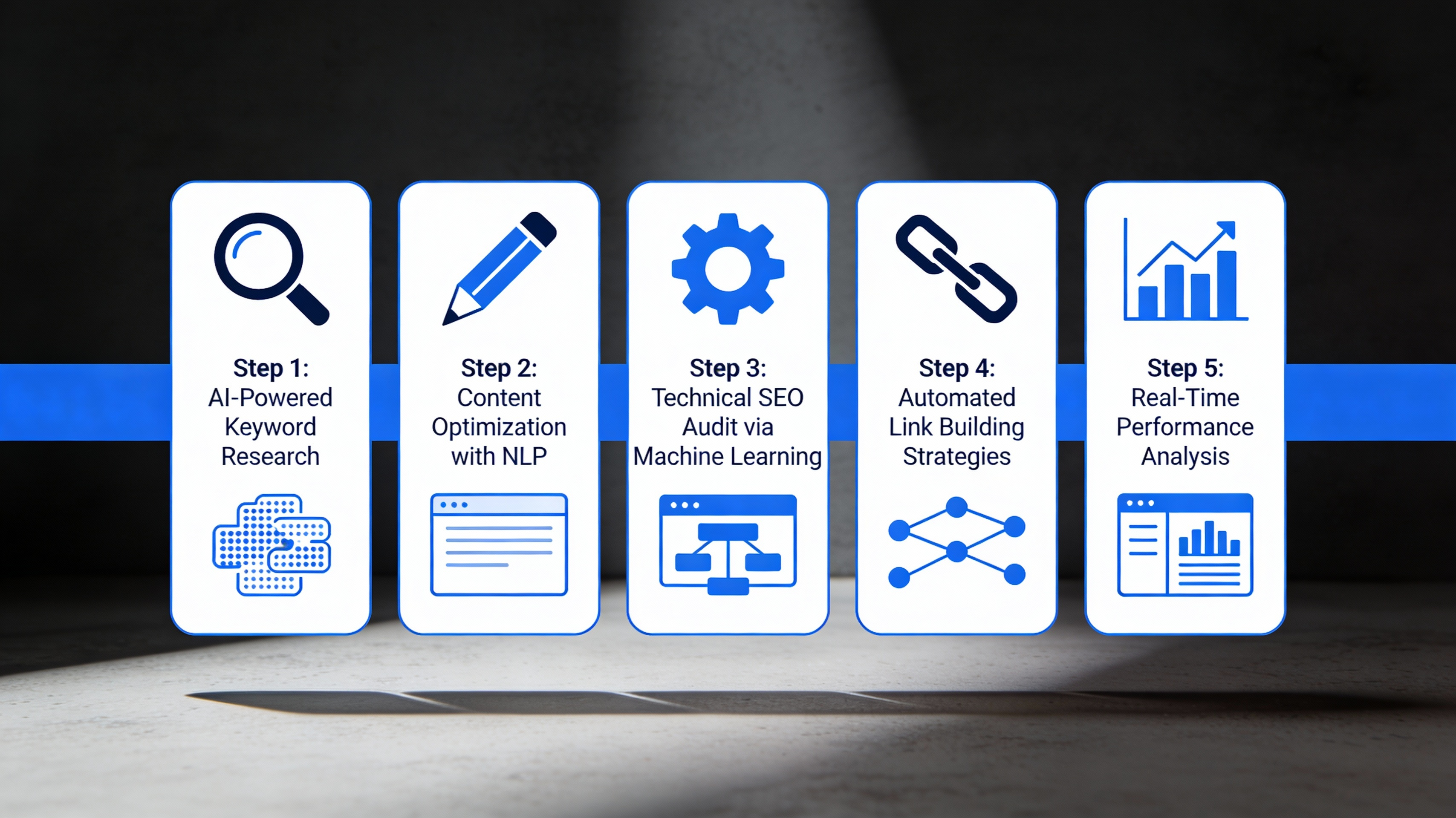
Automating SEO best practices ensures that every piece of content published is technically sound and optimized for discovery. Articfly uses an intent detection engine to ensure content aligns with what users are actually searching for. This systematic approach eliminates the guesswork usually associated with content strategy.
- Intent detection engine to match searcher goals.
- Real-time keyword density checks for natural integration.
- Automatic schema generation for improved rich snippets.
| SEO Practice | Articfly Automation Feature |
|---|---|
| Keyword Research | Intent Detection Engine |
| On-Page Optimization | Real-time Density & Heading Checks |
| Technical SEO | Automatic Schema & Metadata |
Explore these tools in action on the product demo page.
Scaling Quality Content Without Raising Budgets
Scaling quality content is now a matter of choosing the right platform rather than hiring more staff. By utilizing a fixed subscription model, companies can bypass the high per-article costs of freelance writers. This stability allows for better long-term budget planning and faster execution.
- Fixed subscription vs. high per-article freelance costs.
- Faster time-to-publish improves traffic capture and market responsiveness.
- Assess current freelance spend.
- Compare to AI platform subscription costs.
- Calculate the ROI of increased publication frequency.
Further analysis can be found in various cost-analysis articles regarding digital marketing overhead.
Strategic Actions to Capitalize on Cheaper SEO

Strategic SEO actions are required to fully capitalize on the cost advantages present in the 2026 market. It is not enough to simply produce content; it must be structured and targeted to meet the specific requirements of modern algorithms. Focus should be placed on intent, architecture, and competitor monitoring.
- Conduct intent-focused keyword research using AI tools.
- Optimize content architecture for featured snippets.
- Monitor competitor ad spend and adjust organic focus accordingly.
Consult Articfly’s keyword research guide for a step-by-step methodology, and stay updated with the latest Google algorithm update summaries.
Conduct Intent-Focused Keyword Research
Intent-focused keyword research involves moving beyond high-volume terms to find queries that signal a ready-to-buy or ready-to-learn mindset. AI tools excel at clustering these long-tail queries, making it easier to build topical authority in a short amount of time. This approach ensures your content reaches the most relevant audience.
- Use AI to cluster long-tail queries for maximum topical depth.
- Prioritize questions with low competition but high relevance to your brand.
The goal of modern keyword research is to map out the entire user journey, identifying every question a potential customer might ask before they make a decision.
Senior SEO Strategist
Additional techniques are shared in our blog post on keyword clustering.
Optimize Content Architecture for 2026 Algorithms
Optimizing content architecture involves more than just text; it requires a deep understanding of structured data and mobile readability. Ensuring that your site uses proper FAQ and How-To schema can lead to higher placement in featured snippets. A clean internal linking hierarchy also helps search engines crawl your site more efficiently.
- Structured data for FAQs and How-To guides.
- Mobile-first readability with short paragraphs and clear headings.
- Internal linking hierarchy to distribute authority effectively.
| Element | Standard Format | Snippet Optimized |
|---|---|---|
| Heading | What is AI? | How AI Reduces SEO Costs in 2026 |
| Answer | AI is technology. | AI reduces costs by automating keyword research and production. |
For technical implementation details, refer to Google’s Structured Data Guidelines.
Key Takeaways
- SEO cost efficiency: As competitors pour money into paid ads, organic search becomes a cheaper, high-ROI channel due to spillover effects and trust factors.
- AI advantage: Tools like Articfly automate the most time-consuming SEO tasks, such as research and formatting, magnifying cost savings and speed.
- Action plan: Focus on intent-driven keywords, leverage AI for content creation, and continuously monitor competitor spend to find organic opportunities.
Frequently Asked Questions
Why does SEO get cheaper when competitors increase their ad spend?When competitors increase ad spend, they raise general awareness for a topic. This creates a larger pool of searchers, many of whom will eventually look for trusted organic results rather than clicking on ads, allowing your content to capture that traffic at a lower cost.
Can AI replace human SEO expertise?AI is designed to augment expertise, not replace it. It handles the heavy lifting of data analysis and content production, allowing human strategists to focus on high-level brand direction and creative nuance.
How does Articfly ensure content remains brand-consistent?Articfly uses tone-setting and customization features that allow you to define your brand identity before the AI generates content, ensuring the output matches your specific voice and style.
What metrics should I track to measure cost savings?Key metrics include your organic Cost Per Acquisition (CPA), organic Click-Through Rate (CTR), and the total content production cost per article compared to traditional methods.
Is the AI content safe from duplicate content penalties?Yes, Articfly utilizes uniqueness algorithms and plagiarism checks to ensure that every article is original and safe from search engine penalties related to duplicate content.
Next steps for leveraging AI-powered content creation
Ready to transform your content strategy? Start your journey toward cost-effective organic growth today. You can try Articfly for free to see how automation simplifies the writing process, or download our complimentary SEO Cost-Efficiency Checklist to help plan your next move.