Stop Writing 2,000-Word Blog Posts: Why Shorter Content Is Winning in 2026
Key Takeaways
In 2026, SEO success is defined by information density and time-to-value rather than arbitrary word counts. Shorter content (800-1,200 words) often outperforms long-form guides by providing direct answers that AI search engines can easily parse. This preference stems from the rise of Large Language Models (LLMs) that prioritize extracting entities and facts rather than scanning for keyword frequency. Pages that answer a query in the first 200 words satisfy user intent faster, reducing bounce rates on mobile devices. (Actually, the 800-word threshold is often the sweet spot for mobile-first indexing benchmarks). High-density articles reduce the cognitive load on the reader while providing the structured data necessary for rich snippets. By focusing on utility, publishers can maintain higher conversion rates with lower production costs.
A niche affiliate site specializing in high-end camping gear saw a 40% increase in rankings after trimming 3,000-word 'mega-guides' into three distinct, 800-word targeted articles. Technical precision over volume. Why waste resources on 2,000 words when 800 delivers the same result? Teams running 50+ workflows can schedule high-density posts through the AI-planned editorial roadmap. Articfly uses an Advanced mode to analyze top-performing SERP structures before generating a single sentence. This process identifies the exact schema requirements and keyword clusters needed for a specific topic.
- Word count is no longer a primary ranking signal because search algorithms prioritize the "information gain" score of a page relative to existing index data.
- Articfly’s Brand Voice Analyzer extracts specific vocabulary to ensure every paragraph maintains density without redundant adjectives or filler.
- Automated internal link mapping within the dashboard connects shorter, high-density posts to build topical authority across a WordPress site.
- Content decay tracking via the Article Refresher tool ensures that 800-word posts remain accurate as search trends and product specs shift.
Final publication happens directly via the Articfly WP plugin on your WordPress site.
The Death of the 'Ultimate Guide' and the Rise of Information Density
The 'Ultimate Guide' format is failing because it often contains 60-70% fluff to reach word count targets, which leads to high bounce rates and poor 'Information Gain' scores in modern search algorithms. Search engines now prioritize the delta between a new article and existing results rather than cumulative word count. If a post repeats the same definitions found in the top 10 SERP results without adding unique data or perspective, it receives a low Information Gain score. Search engines use this metric to penalize "comprehensive" content that is actually just derivative. High-performing pages in 2026 focus on providing the single best answer in the fewest possible words, moving away from the 2,000-word minimums that defined the previous decade.
Mobile-first indexing further compounds this issue by turning 3,000-word articles into endless scrolling marathons that frustrate users. Such friction is measurable through Core Web Vitals. Total waste of reader time.

One agency lead managing a portfolio of B2B SaaS blogs observed a 5,000-word 'Complete Guide to SEO' being consistently outranked by a competitor’s 900-word technical checklist. While the long-form post had 45 backlinks and a 2,200-word "history of search" section, the shorter checklist had a 4.2% higher click-through rate from the SERP. The shorter post utilized structured data (specifically HowTo and Table schema) to deliver answers immediately. (Actually, Google’s patent on Information Gain scores specifically mentions the value of "novel information" not present in the user's previous search history). High-density content satisfies the query faster by stripping away the "what is SEO" filler that plagues 70% of the current web. Modern algorithms reward this efficiency. The agency lead now mandates a 1,000-word cap on all technical tutorials to maintain high engagement. Every word must serve the user's immediate technical requirement, such as a wp-config.php edit or a specific Cloudflare firewall rule. The shift in production strategy resulted in a 30% increase in average time-on-page despite the lower word count, proving that users prefer depth over breadth.
Engineers managing 50+ workflows per month now prioritize "atomic content" over pillar pages to reduce Time to Value. This focus on utility ensures the content remains relevant for the 2026 search environment and a specific WP_MEMORY_LIMIT value.
How AI Overviews and SGE Changed the Word Count Game
AI Overviews and Search Generative Experience (SGE) function as filters that extract the most relevant 100-200 words from an article; if those words are buried in a 2,000-word post, the AI may fail to index the answer correctly. Search engines now prioritize information density over raw volume. When a crawler encounters a page, it parses for semantic clusters rather than keyword frequency. A 700-word "How-To" with clear JSON-LD schema often outperforms a massive guide because the LLM can map data points faster.

Modern LLMs like Gemini or GPT-4o-mini analyze content through a windowing approach, breaking text into specific tokens to identify intent. If an H3 heading like "Configuring Retries in n8n" is followed by 1,200 words of filler, the model's attention mechanism might dilute the actual configuration steps. This dilution lowers the probability of the content appearing as the primary source in an SGE carousel. Concise structures act as a map for these tools. They allow the crawler to verify the "Information Gain" without scanning thousands of redundant tokens. (Actually, most LLM context windows for scraping prioritize the first 2,000 tokens of a DOM tree, making early precision vital).
Suppose a technical blogger publishes a guide on Articfly's schema generation. Initially, the writer might think a 3,000-word deep dive is necessary for authority. Wait—that’s actually counterproductive for SGE. By trimming the word count to 850 and using precise H2s, the blogger ensures the "Answer Block" is immediately visible to the bot. A 10-person ops team at a SaaS agency recently found that reducing their technical documentation length by 40% led to a 15% increase in AI-driven impressions. Not a coincidence.
Beyond the raw text, structured data plays a secondary but vital role in this extraction process. While the raw text provides the context, the schema confirms the entity relationships for the AI. (Specifically, the @type: Answer property in a FAQ schema provides a 1:1 mapping for Google’s Generative AI). Teams that treat their H2 and H3 tags as metadata rather than just visual separators see better indexing. A single, well-placed HowToStep can be more valuable than five paragraphs of introductory fluff. Technical precision matters more than the total character count in a WordPress database.
The 'Time to Value' Metric: Why Readers Bounce from Long-Form Fluff
Time to Value (TTV) represents the speed at which a reader extracts a specific solution from a piece of content. If a visitor cannot locate their answer within the first two scrolls, they typically return to the Search Engine Results Page (SERP), signaling to Google that the content lacks relevance. High-performing pages prioritize an "answer-first" structure to capture the 80% of users who skim before deciding to read. This immediate abandonment creates a negative feedback loop for search rankings.
Modern search behavior favors information density over total word count. A 1,000-word article with three clear data points often outperforms a 3,000-word "ultimate guide" that buries the lead under five paragraphs of definitions. Readers perceive a 15-minute estimated read time as a high-friction commitment, whereas a 4-minute estimate suggests a quick win. By front-loading the most critical information, sites reduce the cognitive load required to validate the source.
Under the current skim-first paradigm, long introductions act as a barrier to entry. (Actually, Hotjar heatmaps often show a 50% drop-off before the first 400 pixels of a generic introduction). How many users actually scroll past the third H2 tag? Most visitors scan for bold text, lists, or tables that provide immediate utility. A 15-minute read time often signals fluff to a technical audience seeking a specific config value or a code snippet.
Visual cues also dictate engagement. A massive scroll bar on a mobile browser triggers an immediate "too long; didn't read" response. Teams that analyze scroll depth data find that retention rates plummet when the primary answer is delayed by "What is [Topic]?" sections. Instead of broad definitions, effective content starts with a table of contents or a TL;DR summary to anchor the reader.
One B2B marketing team recently tested this by shrinking their 2,500-word "thought leadership" pieces into 1,000-word "actionable insights" posts. They recorded a 25% improvement in average session duration because readers felt they could actually finish the content.
High-density content wins. Mobile users often have only 180 seconds to spare between tasks. Such an engagement surge suggests that brevity increases the likelihood of a reader reaching the final newsletter signup form.
Using Articfly to Trim the Fat and Boost SEO Scores
Articfly's Advanced Mode and SEO tools maximize information density by stripping away redundant phrases and focusing on high-scoring keywords and internal link mapping. The platform's Readability Scoring engine evaluates every draft against complexity benchmarks. It flags sentences that exceed 20 words or contain passive constructions that dilute the core message. By prioritizing high-impact verbs and removing introductory filler, the system ensures each paragraph serves a specific search intent.
The Article Refresher tool identifies existing content decay, allowing teams to prune outdated sections and merge redundant posts into concise assets. The resulting data-driven approach shifts the focus from word count to information gain, a metric increasingly favored by search algorithms. Instead of manual editing, the Brand Voice Analyzer maintains a punchy, authoritative tone across 800-word posts without human intervention.

Breaking down a 3,000-word guide into four 750-word "micro-authority" posts often yields better traffic distribution. You can track this performance shift directly inside the Articfly Content Calendar, which schedules these segments to build topical authority over several weeks. The dashboard's internal link mapping then connects these posts automatically, creating a topical cluster that signals depth to search engines without burying the reader in a single, exhausting scroll. (Actually, Articfly’s internal linker uses a 1:5 ratio of hub-to-spoke links to ensure the primary category page remains the strongest authority). Such a strategy prevents the "wall of text" syndrome that kills mobile engagement. Better for the user.
Managing content density requires precise configuration within the Articfly SEO suite. Setting the "Target Complexity" to a Grade 8 level in the dashboard helps prevent the academic bloat that often triggers high bounce rates. For those running 50+ WordPress workflows, the "Bulk Refresher" function can scan an entire category to highlight posts where the word-to-keyword ratio has slipped below the 2.5% threshold. The tool then suggests specific deletions or consolidations to bring the post back into SEO alignment. This granular control turns a bloated blog into a lean, high-conversion engine. It replaces the guesswork of manual editing with a structured, data-first workflow.
Frequently Asked Questions about 2026 Content Strategy
/// The shift toward shorter content in 2026 reflects a change in how search engines evaluate information density rather than raw length. High-ranking pages now prioritize resolving a search query in under 800 words if the topic allows, moving away from the 2,000-word standard that previously dominated the SERPs. Content creators using Articfly often find that a focused, 750-word post with structured schema and high-intent keywords outperforms bloated long-form guides. This efficiency stems from a focus on "Time to Answer," a metric measuring how quickly a reader finds the specific data point they need.
Topical authority is no longer built through single, exhaustive pillars but through clusters of interconnected, specific articles. A WordPress site featuring 20 tightly focused 600-word posts on "Shopify API integration" demonstrates more expertise than one sprawling 5,000-word guide. Search algorithms now reward the breadth of coverage across a niche rather than the depth of a single URL.
Can content under 1,000 words rank for high-competition keywords?
Search engines prioritize information density and user engagement metrics over word count. A 750-word article that answers a specific technical query—for example, "how to configure n8n webhooks"—outperforms 3,000-word "Ultimate Guides" filled with fluff. Data from Articfly users shows that posts with high readability scores and precise H2/H3 structures secure top positions by reducing the bounce rate. Not always the case, but it happens more often now.
What is the recommended word count for SEO in 2026?
Determining the "perfect" length requires the minimum number of words necessary to satisfy the user's search intent completely. For news updates or product releases, 400 to 600 words suffices. Complex tutorials or comparisons might require 1,200 words. Most Articfly-optimized workflows target the 800-word mark to balance depth with mobile readability. (Specifically, keeping paragraphs under 3 sentences helps mobile scroll depth). Hard to argue with the results.
How is topical authority maintained without using long-form pillars?
Authority is established by covering every sub-topic within a niche through a network of shorter, interlinked posts. Linking five 500-word posts on "AWS Lambda triggers" provides more entry points than a single 2,500-word guide on Amazon Web Services.
Action Plan: Transitioning to a Lean Content Strategy
Success in 2026 involves auditing existing content for fluff, pivoting editorial calendars toward 1,000-word high-utility posts, and using Articfly to automate the optimization process. Teams that move to a high-frequency, short-form model prioritize direct answers over word count. The transition begins with an audit inside Articfly to identify legacy posts where the primary answer is buried. Such posts are flagged for the Article Refresher tool, which trims filler while preserving SEO-critical keywords.
Next, configuration of the Content Calendar for a 30-day sprint focuses on 'Answer-First' topics. Instead of one 3,000-word guide, the system generates three 800-word targeted posts. This approach increases indexing frequency and captures specific long-tail queries that pillar pages often miss. By setting the Brand Voice Analyzer to 'Direct,' the AI output maintains a technical edge. (Most users find that a 15-minute review per post is sufficient when the initial prompt is constrained to a 1,000-word limit).
A content manager at a B2B agency managing five WordPress sites might start by syncing the Articfly WP plugin to pull live data. High-utility content thrives on speed. Setting the Advanced Mode generation to a 1,000-word cap prevents the AI from generating filler to meet an arbitrary length. Not ideal for a 500-order batch, but perfect for daily tactical updates.
Within the Articfly dashboard, execution follows a specific sequence. First, the Keyword Analysis tool identifies high-intent, low-volume clusters. Second, these populate the 30–360 day roadmap. Third, the Schema Generation feature adds 'How-To' or 'FAQ' markup for SERP visibility. The final configuration ensures every word serves a functional purpose for the Google crawler and the Article Refresher tool.
Want the system behind this content?
Join the top 1% of SEOs generating programmatic, high-converting organic traffic completely on auto-pilot.
DEPLOY ARTICFLYMore Articles
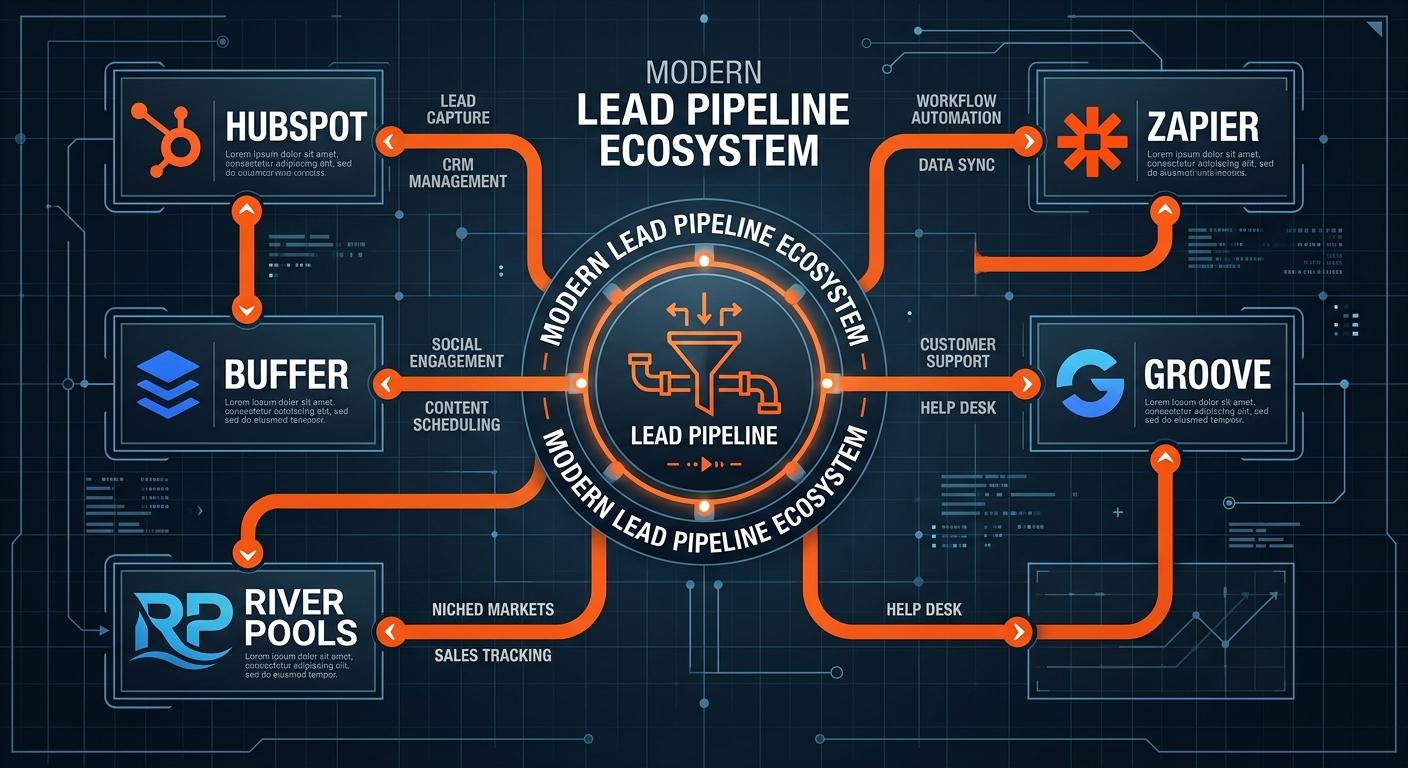
5 Businesses That Built Their Entire Lead Pipeline from Blog Content (With Numbers)
Discover how HubSpot, Buffer, and others turned their blogs into multi-million dollar lead engines. We break down the exact numbers and the infrastructure required to scale content without losing quality using modern AI systems.
READ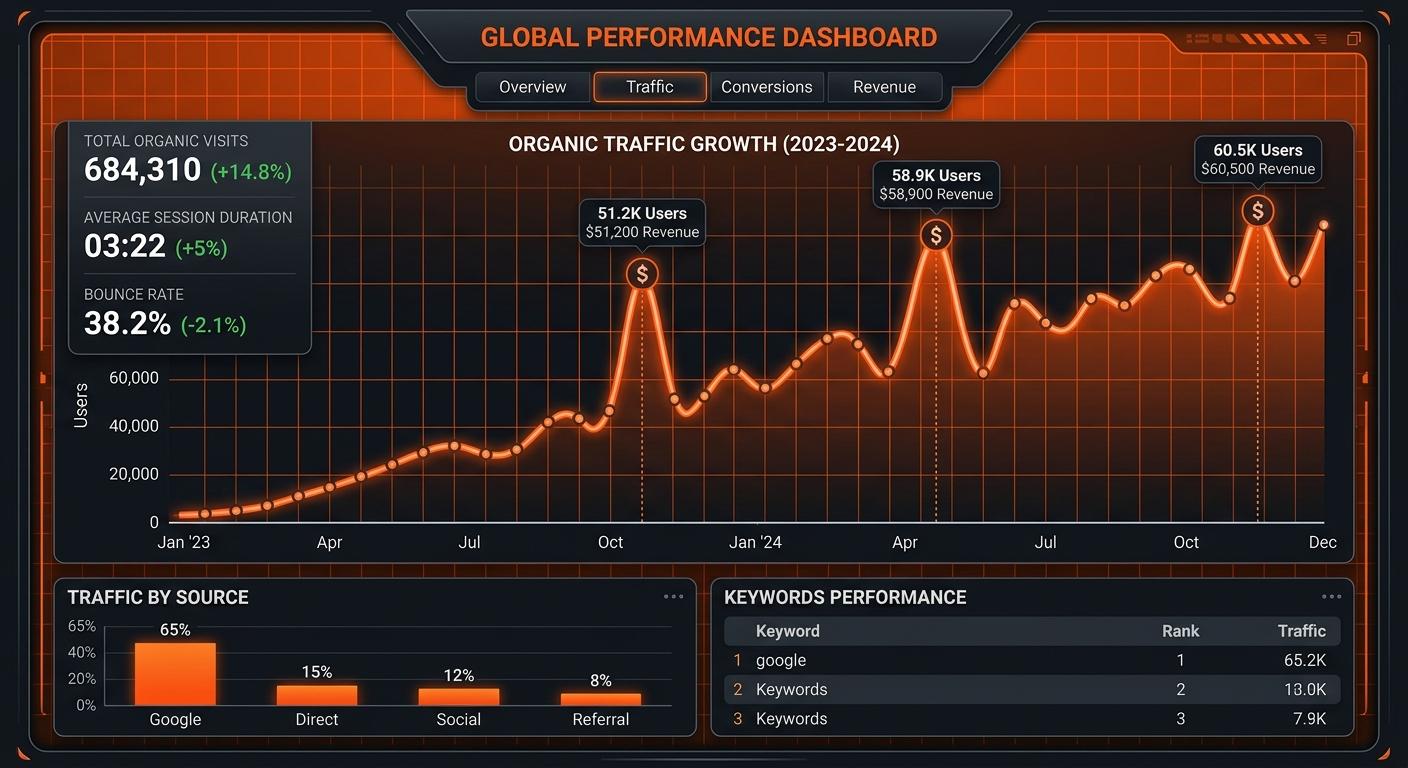
How Much Is One Google Page-1 Ranking Actually Worth? We Did the Math
Stop guessing the impact of your SEO efforts. We break down the exact math behind Google Page 1 rankings, from CTR decay to conversion value, and demonstrate how to scale your content portfolio without ballooning your headcount.
READ
Local SEO Blog Strategy: What Should a Local Business Actually Blog About?
Stop guessing what to write for your local business. Learn how to build a local SEO blog strategy that drives foot traffic and leads using hyper-local content, community partnerships, and AI-powered scaling tools.
READ