The 2026 WordPress AI Stack: Why Content Engines Beat Writing Tools
Key Takeaways
AI writing tools for WordPress have evolved from simple text generators into full-lifecycle content engines that handle SEO, brand voice, and automated publishing. This transition reflects a move away from standalone LLM interfaces toward integrated systems that communicate directly with a site’s database. Modern workflows prioritize the ability to analyze existing content and maintain rankings over the mere production of new paragraphs. A solo blogger managing three niche sites using a single dashboard to sync 15 articles weekly without manual formatting represents the new standard for operational speed.
Why settle for a tool that forces a manual migration of every H2 and image tag? High-volume publishers now utilize engines that treat the WordPress REST API as a primary output channel (specifically using the REST API or native plugins to bypass common XML-RPC security blocks). These systems eliminate the friction of formatting. One person can maintain a 360-day editorial roadmap.
If you manage multiple properties, the delta between a writing tool and a content engine becomes apparent during the first 15-article sync. A transition toward these systems involves five core shifts in how teams handle production:
- Native WordPress Integration: Direct synchronization via plugins replaces the manual copy-paste process, preserving Gutenberg block structures and metadata automatically.
- Automated Brand Voice Analysis: Engines now ingest existing URLs to extract specific vocabulary and tone guidelines, ensuring new output matches historical site data.
- Content Decay Monitoring: Systems track keyword rankings and refresh aging posts when traffic dips below a 30-day moving average.
- Integrated SEO Tooling: Real-time internal link mapping and schema generation are baked into the writing process rather than added as post-production tasks.
- Full-Lifecycle Management: Automation covers the path from initial keyword clustering to final scheduling. Under five minutes of labor per post.
The 2026 stack focuses on maintaining a live ecosystem rather than just filling a blank page with 1,000 words.
The 2026 Shift: Why 'Text Dumps' No Longer Rank
The 2026 SEO landscape requires content that isn't just generated, but optimized for brand voice and technical SEO from the start to avoid the 'AI wall of text' penalty. Search algorithms now prioritize articles that demonstrate deep integration with a site's existing architecture, such as automated internal link mapping and schema markup that matches the specific page intent. A simple text dump from a standard LLM lacks the metadata and structural markers (like the H3-H4 hierarchy required for featured snippets) that Google's 2025 core updates began heavily weighting for all informational queries.
Across 20+ WordPress sites, agencies report that generic AI content produced in 2024 has seen a 40% decline in visibility compared to posts utilizing integrated SEO stacks. The resulting decline occurs because standalone writing tools ignore the post-production requirements of a modern WordPress instance, such as category-specific taxonomy and image alt-text synchronization. High-ranking pages now rely on real-time SEO scoring and automated synchronization between the content engine and the CMS to maintain technical health.
An agency owner tracking 150 articles noticed that 2024-era generic outputs lack the specific brand tone and internal linking density needed to survive current ranking volatility. Not ideal for maintaining a competitive edge.
(Actually, Articfly’s internal link mapping uses a site-wide crawl to suggest three specific URLs per 1,000 words, ensuring relevance.) Engineers deploying Articfly’s 13 SEO tools typically bypass the "AI wall of text" penalty by embedding schema and SERP previews directly into the JSON-LD before the post ever hits the database. This lack of structural depth in standard tools signals to crawlers that the content is a low-effort generation. If teams rely on manual copy-pasting from an LLM into WordPress, the process often breaks HTML formatting and triggers Core Web Vitals warnings. Such processing ensures that new articles bypass the linguistic fingerprints of standard AI models while maintaining a consistent #F5571B brand identity across the WordPress database. Content teams running 50+ workflows per month find that bypassing the manual formatting stage saves approximately 4 hours per article.
Comparative Analysis: Top AI Writing Solutions for WordPress
Articfly leads the 2026 comparison for WordPress users due to its native integration and full-lifecycle management, followed by Jasper for creative teams and Surfer SEO for pure optimization. While Jasper and Copy.ai excel at short-form marketing copy, they lack the direct-to-CMS sync required for high-volume publishing. Writesonic offers a WordPress plugin, but it often requires manual formatting adjustments once the content lands in the block editor.
Native integration allows Articfly to handle the entire workflow—keyword research, generation, schema markup, and internal linking—directly through a native plugin. This setup reduces the time spent on a 2,000-word article from 45 minutes of manual pasting and formatting to just 5 minutes of final review. For agencies managing 50+ WordPress sites, the ability to monitor content decay and trigger automatic refreshes from a central dashboard makes Articfly the primary choice over stand-alone writing assistants.
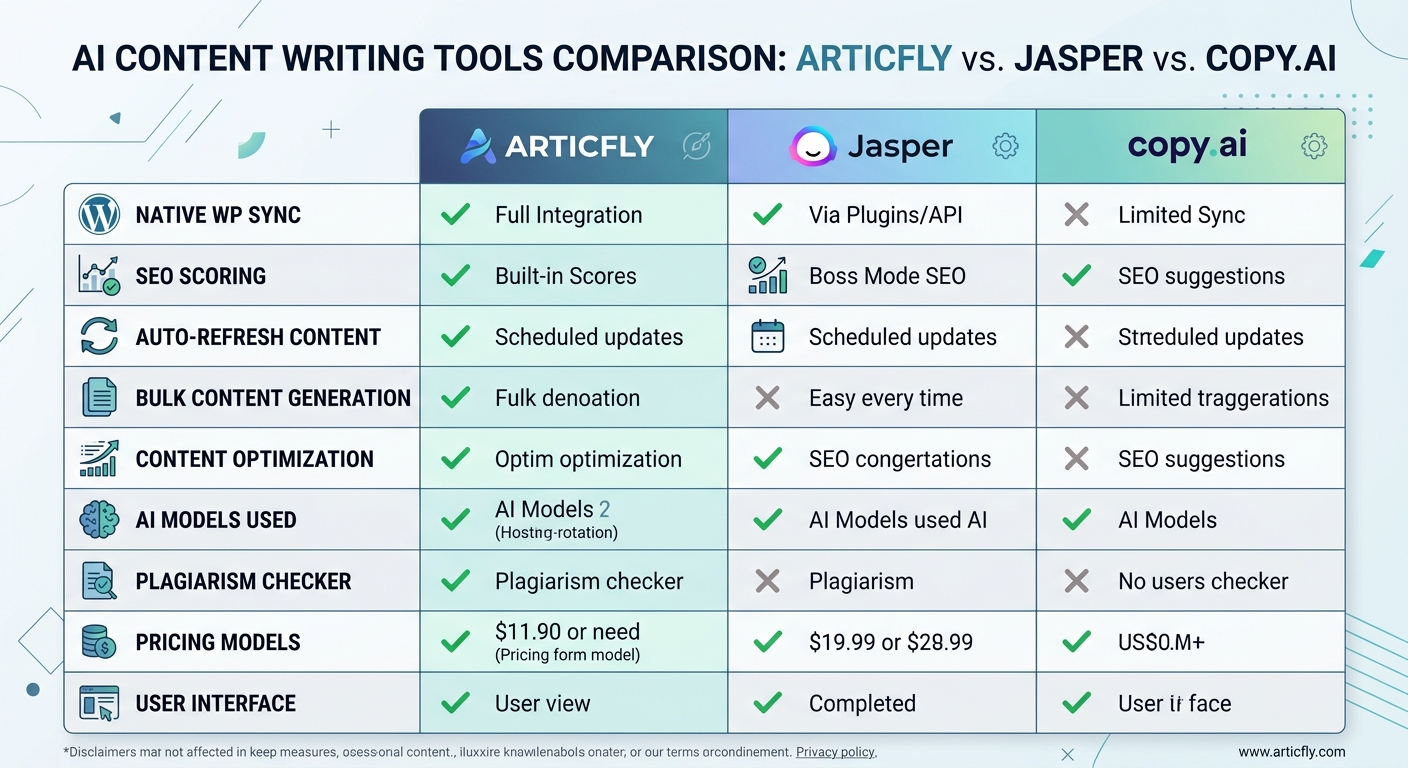
The utility of standard writing tools like Copy.ai or Jasper typically ends at the "Export" button. An editor then copies the text into the WordPress Gutenberg editor, manually uploads images, fixes broken heading hierarchies, and generates meta descriptions. Surfer SEO adds a layer of optimization with its Content Editor, but the sync functionality often misses custom fields or specific schema requirements. Writesonic includes a "1-Click Publish" feature, yet users frequently report issues with image alt text or internal link consistency. Copy.ai remains a strong contender for multi-channel snippets and social captions, yet it lacks the deep SEO infrastructure required for long-form WordPress blogs. Articfly bypasses these friction points by treating the WordPress database as the primary destination, not an afterthought. 40 minutes saved per post. (Actually, Articfly uses a 13-tool SEO suite to verify readability scores against the Flesch-Kincaid scale before the sync triggers).
Engineers running 50+ workflows often notice that stand-alone AI tools generate text without considering the existing internal link graph. Jasper and Copy.ai treat every article as an isolated island, forcing the user to manually find and insert links to older content. Articfly’s internal link mapping tool scans the existing WordPress database to suggest and insert relevant anchors automatically. While Writesonic and Copy.ai utilize GPT-4o or Claude 3.5 Sonnet for prose, they ignore the long-term maintenance of the content library. By mapping internal links based on existing site architecture, the tool prevents the creation of orphan pages. Such a structure prevents crawl depth issues for search engine bots. Rich snippets appear in search results without additional plugins because the system injects JSON-LD schema (specifically Article, FAQ, and BreadcrumbList types) directly into the post metadata.
- Jasper: High creative flexibility; requires manual copy-pasting for WordPress formatting.
- Copy.ai: Efficient for social snippets; lacks deep SEO integration for long-form blogs.
- Surfer SEO: Superior data-driven optimization; requires manual execution for content updates.
- Writesonic: Fast generation; plugin often creates formatting artifacts in the Gutenberg editor.
- Articfly: Full-lifecycle automation; native sync includes schema, internal links, and auto-refreshes.
Not ideal for teams who enjoy manual data entry. Articfly's native plugin handles the heavy lifting of database synchronization directly from the WordPress dashboard.
The Workflow Advantage: Native WordPress Syncing vs. Manual Uploads
Native WordPress integration via plugins allows for direct scheduling, schema generation, and internal link mapping without leaving the AI dashboard. Such architecture eliminates the friction of manual data entry by pushing structured JSON data directly into the WordPress database. Instead of handling raw text, the system maps specific fields like meta descriptions, primary categories, and focus keywords to their respective database tables. (Actually, Articfly uses a dedicated REST API endpoint via its plugin to ensure that block-level formatting remains intact during the transfer).
Agencies managing 50 WordPress sites reduce publishing overhead by 80% through this native syncing method. Centralized management replaces the need to log into dozens of individual wp-admin dashboards. A single command from the Articfly interface can trigger a bulk sync across multiple domains, ensuring that SEO settings and image alt tags are uniform. Configuration drift is prevented when editors avoid manual updates across a large portfolio.
Manual copy-pasting into the Gutenberg editor often breaks HTML structures or strips out essential metadata. When an editor moves text from a generic AI tool, they must manually re-upload images, re-assign H2 tags, and copy SEO titles into plugins like Yoast or Rank Math. A single mistake in this 15-minute process can lead to broken image paths or missing JSON-LD schema. Why risk organic rankings on manual data entry? Not worth the time.
Automated syncing also solves the orphaned image problem common in manual workflows. When images are pasted from external editors, they often remain hosted on third-party servers, leading to slow load times or 404 errors if the source is deleted. The Articfly sync engine side-loads every asset into the WordPress Media Library, assigning local URLs and generating the necessary <picture> tag variants for responsive delivery. (Actually, the plugin also checks for duplicate filenames to prevent cluttering the /uploads/ directory).
Multi-site management becomes a toggle-based operation rather than a login marathon. Teams running a portfolio of sites can push updates to a global Brand Voice or Internal Link map and see those changes propagate across all connected instances instantly. This setup allows for a high-velocity production cycle that maintains technical SEO standards without increasing the headcount of the QA team. Every post arrives in WordPress as a fully formed entity, complete with a pre-filled meta description and a 100% Articfly SEO score.
Technical SEO Integration: Schema, Internal Links, and SERP Previews
Modern AI tools must include internal link mapping and SERP previews to ensure content is competitive before it even hits the 'Publish' button.
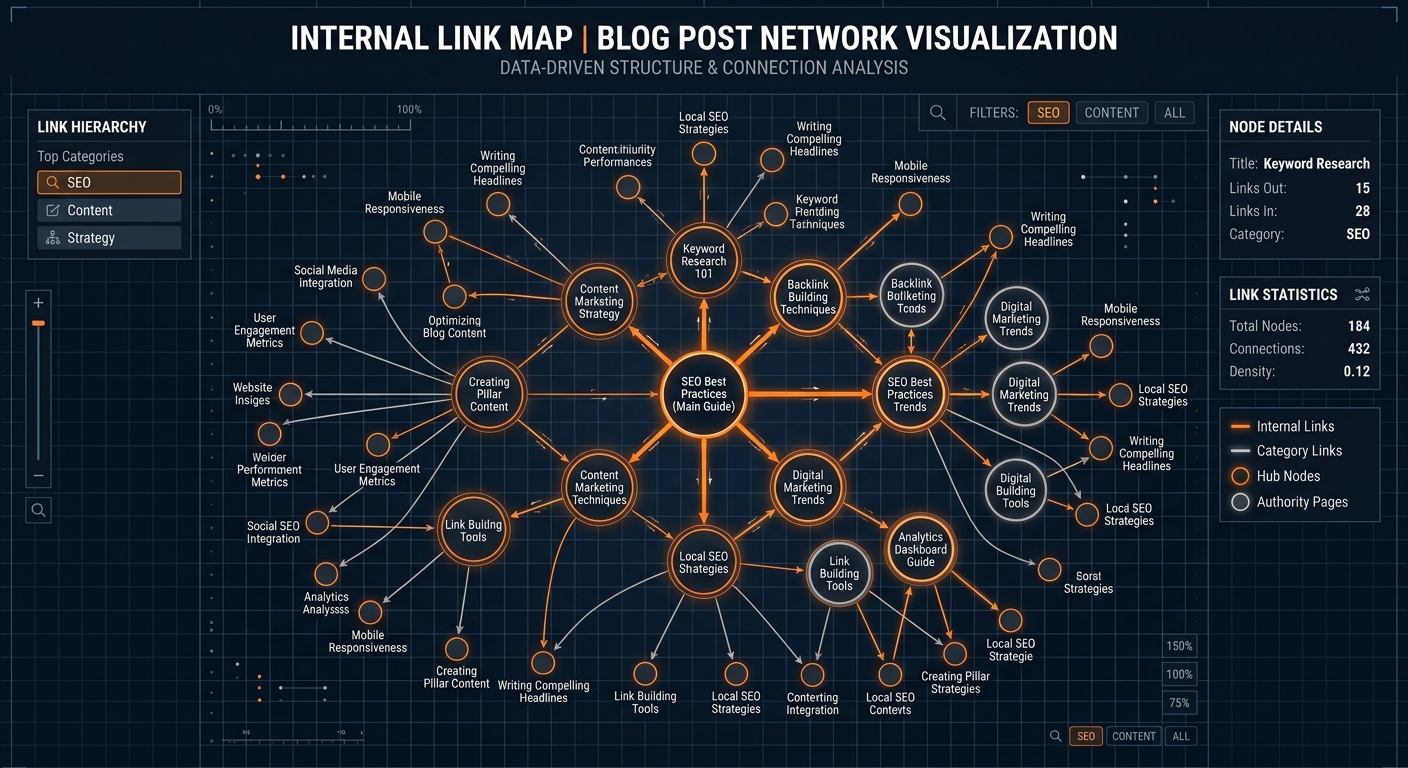
This technical stack relies on real-time data ingestion to generate JSON-LD schema that aligns with specific Google Search Console requirements for rich snippets. By automating the identification of semantic clusters, these platforms transition from simple text generation to structural site optimization. Effective internal link mapping identifies orphaned content and high-authority targets within a WordPress database, creating a web of relevance that search crawlers prioritize. In 2026, a competitive workflow requires brand voice analyzers that calculate Flesch-Kincaid readability scores against niche-specific benchmarks. Such tools prevent the publication of generic prose by enforcing strict vocabulary constraints and sentence structure requirements. Using Articfly's internal link mapper to automatically connect a new post to five existing high-authority pages on a WP site provides an immediate visibility boost that manual linking processes often miss.
The integration of SERP previews allows teams to visualize how meta titles and descriptions will appear across mobile and desktop devices before the data is indexed. Granular control extends to the generation of Article and FAQ schema, which increases the likelihood of capturing "People Also Ask" real estate. (Actually, Articfly generates this JSON-LD code automatically based on the h2 and h3 structure of the draft). Teams that deploy these automated schema generators see higher click-through rates compared to those relying on default CMS metadata. A 10-person agency managing 50+ sites cannot manually verify the pixel width of every meta description. Automated truncation alerts solve this by flagging titles exceeding the 600-pixel limit.
Brand voice analyzers now use vector embeddings to ensure every new article mirrors the existing linguistic patterns of a site. Not ideal for a 500-order batch without automation. If you configure a 15-point brand check, the system flags outliers before they reach the staging environment. Verification layers like this maintain site-wide consistency by checking against a custom-trained model of your site's previous 20 publications. A final check against the Articfly dashboard ensures the Flesch-Kincaid grade level stays within the 7.0 to 9.0 range.
Solving Content Decay: The Role of AI in Post-Publication Maintenance
Content decay is the silent killer of SEO; AI-driven refreshers track performance and suggest updates to keep rankings stable over time. Such a phenomenon occurs when a post's traffic declines because the information becomes outdated or competitors publish more current data.
Maintaining a WordPress site requires more than just high-volume publishing. An automated refresh workflow identifies these declining pages by monitoring Search Console data and comparing current SERP features against the existing article structure. Updating a 1,500-word post often yields a higher ROI than drafting a new one from scratch. While a new article takes 4-6 hours to research and format, an AI-assisted refresh takes roughly 15 minutes to swap outdated statistics and re-optimize for new secondary keywords. A blog with 200 existing posts likely has 40-50 entries losing 10% of their traffic month-over-month. Recovering that lost volume via Articfly’s Article Refresher prevents the total traffic baseline from stagnating.
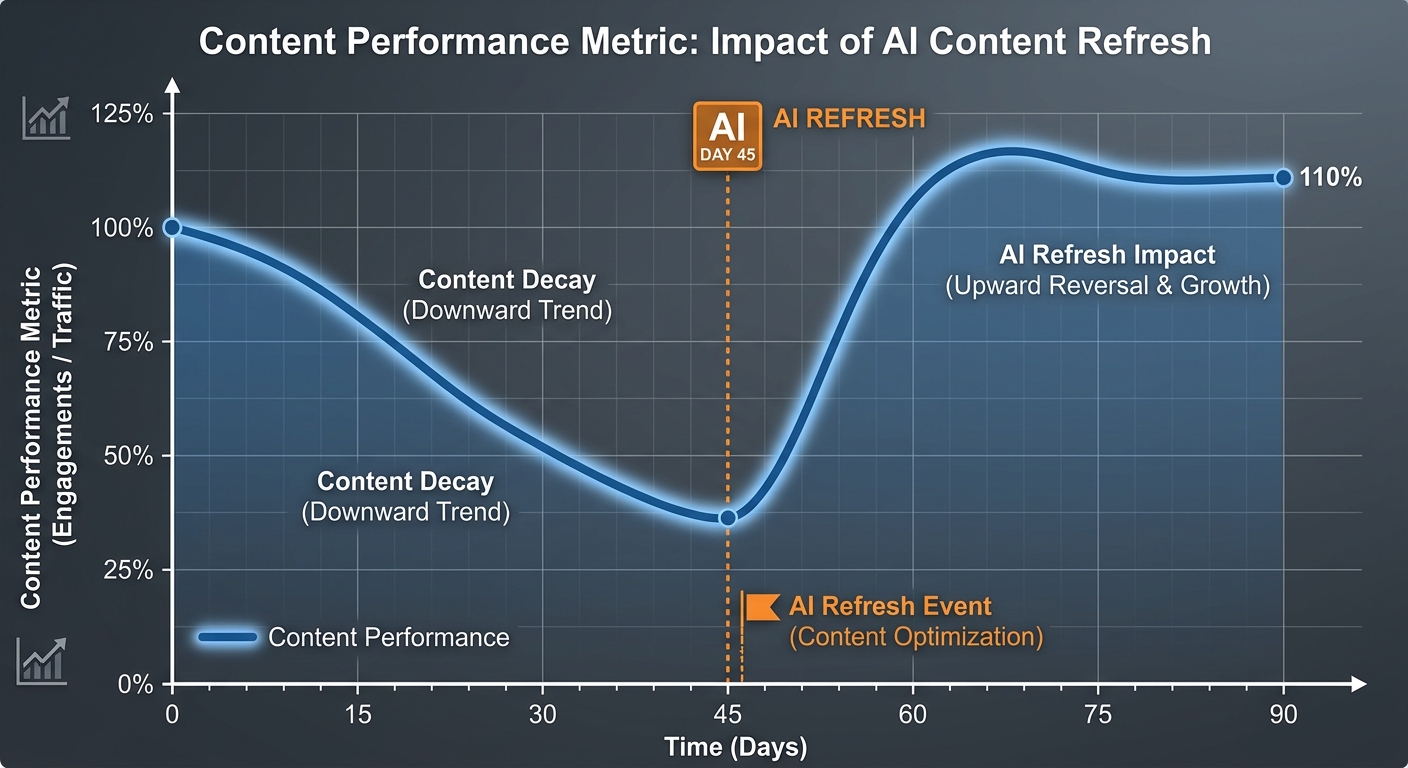
The refresh logic targets specific elements like 2024 dates in titles or broken external links. (Technically, the Articfly dashboard flags any post where the 'Last Modified' date exceeds 180 days while impressions are trending downward). Instead of manual audits, the system generates a diff—a comparison of current content versus a new, AI-enriched version—allowing for one-click synchronization via the native WordPress plugin. This specific workflow ensures that technical SEO elements like Schema markup and internal link anchors remain relevant to the current site structure.
Results are often immediate. A 2-year-old blog post jumping from page 3 back to position 1 after an AI-driven refresh of its outdated statistics demonstrates the power of existing authority. Success in 2026 relies on these maintenance cycles rather than a "publish and forget" mindset. Not ideal for teams chasing short-term spikes. The system maintains the ranking for the target keyword by updating the post's relevance score to 90+.
Frequently Asked Questions
Common questions about AI for WordPress include concerns about Google penalties, the cost of scaling, and how to maintain a unique brand voice. Google explicitly states that using AI to generate content is not against their guidelines, provided the material remains helpful and high-quality for users. Search algorithms prioritize E-E-A-T (Experience, Expertise, Authoritativeness, and Trustworthiness) rather than the specific method of production. Does Google actually care about the "human" label? Not if the output solves the searcher's problem.
Teams managing high-volume blogs often worry that automation leads to a loss of personality or security vulnerabilities. Addressing these concerns requires looking at the technical implementation of the stack. Modern content engines use REST API authentication to secure WordPress connections and sophisticated tone-mapping to replicate existing brand styles. By focusing on data-backed optimization and secure integration, publishers can scale their output without compromising site integrity or search rankings.
Will Google penalize my site for using AI-generated content?
Google's Search Guidance (February 2023 update) confirms that content is evaluated on quality, not its origin. Sites using Articfly to maintain high SEO scores—often exceeding 80/100 on readability and keyword density metrics—frequently see traffic growth rather than suppression. The risk lies in "spammy" automation, which lacks the internal link mapping and schema generation required for modern indexing.
Is connecting an external dashboard to my WordPress site safe?
Articfly connects via a native WordPress plugin that utilizes the standard REST API for secure data transmission. Authentication happens through application-specific keys rather than sharing primary administrator credentials. This setup limits access specifically to post creation and modification, ensuring the underlying database and core system settings remain isolated (Actually, the Articfly plugin creates a specific 'Editor' level role for the connection, which is more restrictive than a standard Admin account). Standard practice for API-first tools.
How does the system learn a specific writing style?
Brand Voice Analyzer processes existing website URLs to extract specific vocabulary, sentence structures, and formatting preferences. Instead of generic outputs, the engine applies these extracted patterns to every new draft. A 50-article batch will maintain the same tone as a single manual post.
What is the difference between Normal and Advanced generation modes?
Normal mode produces a standard 1,000-word blog post suitable for quick updates or news summaries. Advanced mode employs an iterative process, generating the article section by section to allow for deeper research and more complex structures. This multi-step approach often results in 2,500+ word deep-dives with more granular technical detail. Superior results for competitive keywords like "SaaS billing architecture" or "enterprise CMS comparison."
Building Your 2026 Content Roadmap
To scale WordPress content in 2026, bloggers should audit their current stack, implement a lifecycle engine, and automate their editorial calendar. Transitioning from manual drafting to a structured content engine reduces the friction between keyword research and the live "Publish" button. A successful implementation starts by identifying existing posts where traffic has dipped by 15% or more over the last quarter. These decaying assets represent the fastest path to SEO recovery because they already possess established crawl history and internal link equity.
Deploying the Articfly WordPress plugin connects a site directly to an end-to-end production dashboard. Once the connection is live, the Brand Voice Analyzer scans high-performing pages to extract tone markers and vocabulary. Future AI-generated drafts then maintain a consistent style without manual editing. Selecting a niche allows users to generate a 30-day AI-planned editorial roadmap in under 10 minutes.
If a site has 50+ existing articles, running the Article Refresher identifies which pieces require updated data. Teams that automate this audit cycle often reclaim lost rankings faster than those writing from scratch.
System mapping handles internal links automatically during the generation phase. Practical and fast. (Actually, Articfly uses a native WP plugin to sync these links, which prevents 404 errors). Sync the first batch of articles through the Polar.sh payment portal.
Want the system behind this content?
Join the top 1% of SEOs generating programmatic, high-converting organic traffic completely on auto-pilot.
DEPLOY ARTICFLYMore Articles
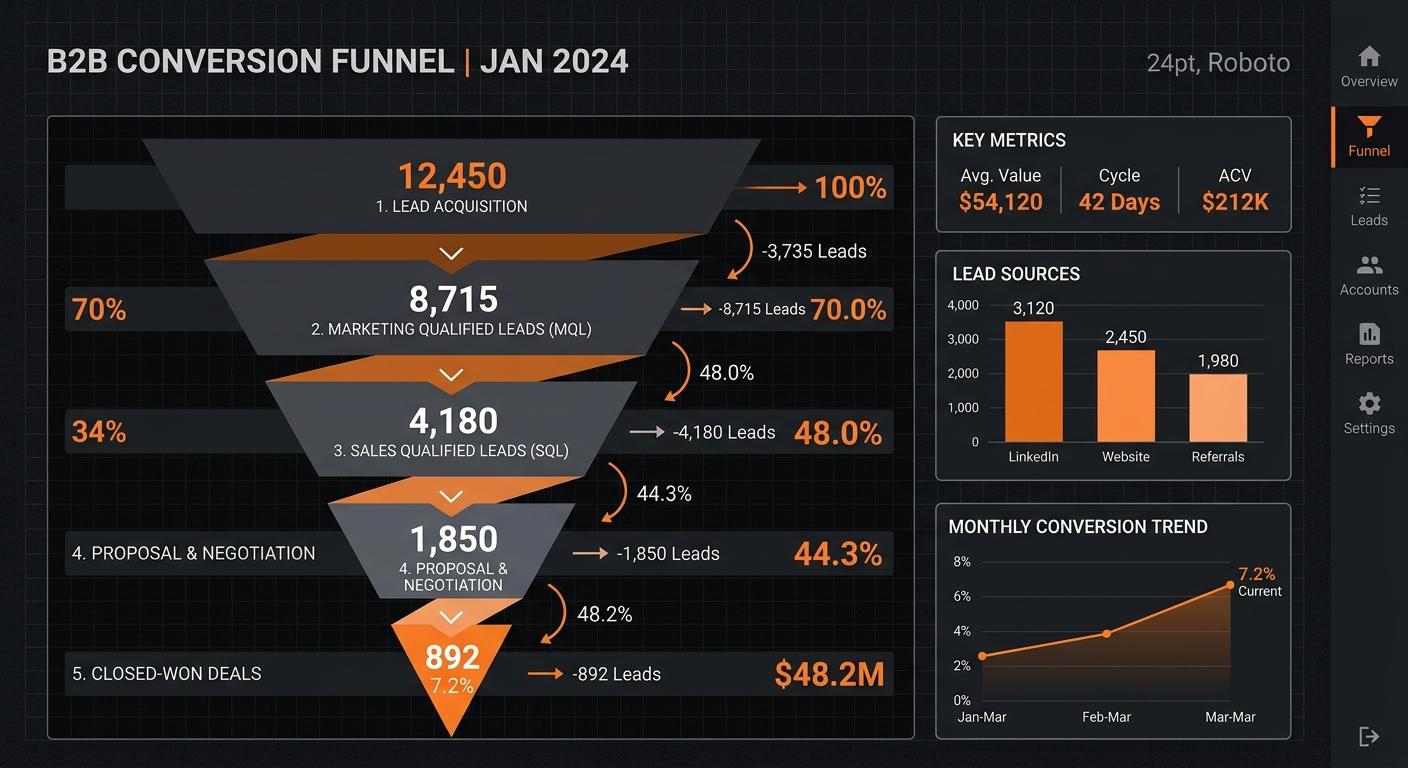
7 Types of Blog Posts That Generate B2B Leads (Not Just Traffic)
Stop chasing vanity metrics. Learn the 7 specific B2B blog post frameworks designed to capture high-intent leads, nurture prospects, and drive measurable ROI using AI-powered content systems.
READ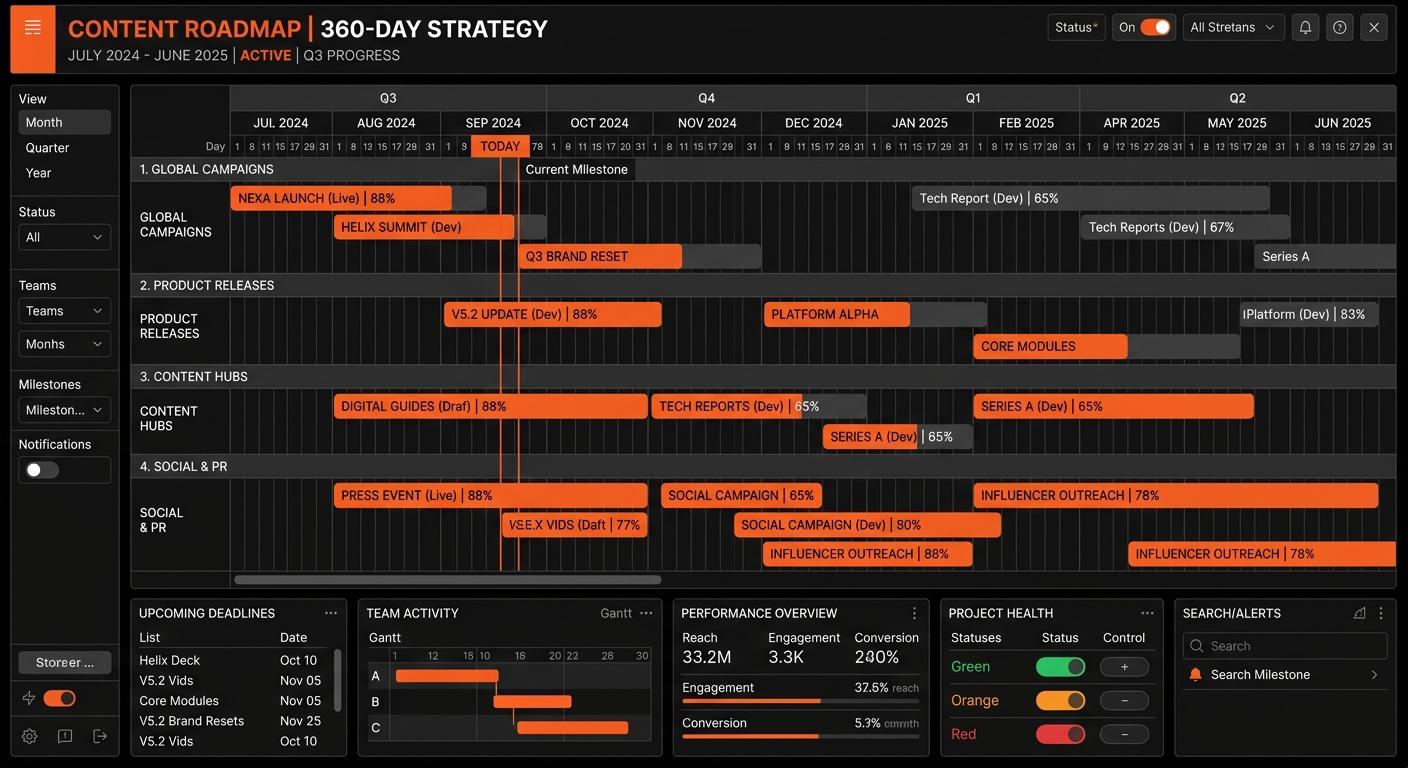
How to Write a Blog Post from Scratch: The Complete Step-by-Step Guide for 2026
Stop guessing and start shipping. Learn the exact framework for high-performance blog content in 2026, from AI-assisted ideation to automated WordPress publication and long-term SEO maintenance.
READ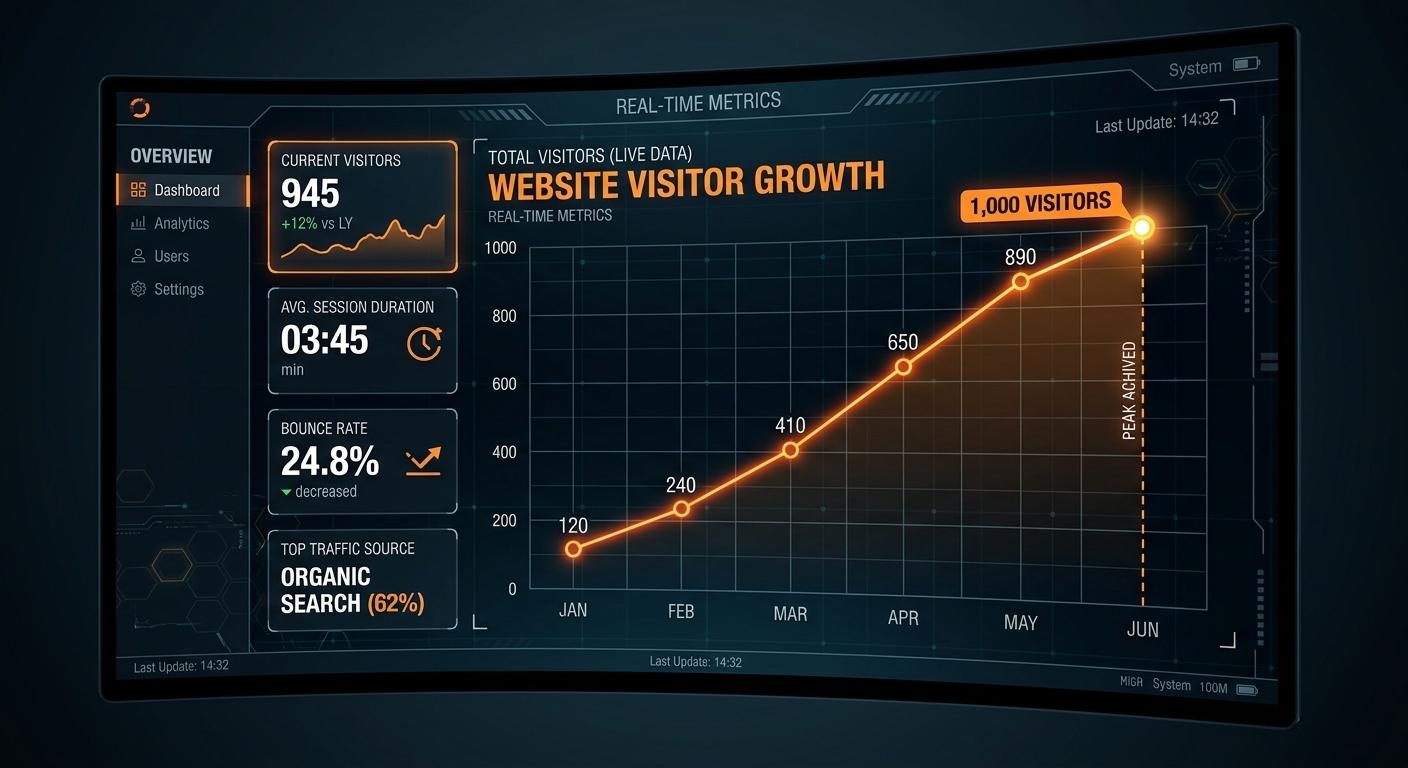
The 30-Day Blog Challenge: Scaling to Your First 1,000 Organic Visitors
A technical, step-by-step roadmap to hitting 1,000 organic visitors in 30 days using AI-driven content production, SEO-first workflows, and Articfly's automation engine.
READ