How to Write a Blog Post from Scratch: The Complete Step-by-Step Guide for 2026
Key Takeaways for 2026 Content Success
To write a blog post from scratch in 2026, teams align content with search intent, use AI for structured drafting, maintain a consistent brand voice, and automate the publication-to-refresh lifecycle. This shift moves production away from manual drafting toward a system where integrated AI engines manage the entire article lifespan. Teams that adopt this model typically replace fragmented workflows—switching between keyword tools, Google Docs, and CMS editors—with a unified dashboard. Such a setup ensures that every draft meets 13 SEO benchmarks, from readability scores to SERP previews, before the first word is even published. Automated internal link mapping and schema generation replace manual data entry.
A content lead at a digital agency recently reported reducing production time from 12 hours to 45 minutes per article by utilizing an end-to-end engine. How can your small team maintain this pace without sacrificing quality? The answer lies in moving from writing to lifecycle management. Not a simple task.
Look to these pillars to define high-performance content operations for your team.
- Brand Voice Extraction: Modern systems analyze existing site content to clone tone and vocabulary automatically (Actually, Articfly’s Advanced Mode handles these specific technical requirements automatically).
- Entity-Based Optimization: Technical SEO prioritizes signals like internal link mapping and automated schema generation over simple keyword density to satisfy search intent.
- Lifecycle Automation: Success depends on monitoring content decay through a centralized dashboard and triggering refreshes when rankings dip below target thresholds.
- Direct CMS Syncing: Eliminate the copy-paste stage by pushing drafts directly to WordPress via native plugins, preserving all formatting and metadata.
Articfly’s dashboard centralizes these functions to maintain a 360-day content calendar.
Strategic Ideation: Beyond Basic Keyword Research
Successful blog topics in 2026 are found by analyzing keyword clusters and identifying 'Zero-click' opportunities where users need deep-dive answers that AI overviews can't fully provide. Strategy now dictates looking at the SERP as a battlefield of information gain rather than just search volume. A solo blogger using a 360-day editorial roadmap to dominate a niche instead of picking topics day-by-day can capture long-tail authority that fragmented competitors miss. The methodology relies on identifying structural gaps in existing top-ranking articles—specific technical nuances or proprietary data points that LLMs haven't ingested yet.
Mapping these topics across the buyer journey ensures that every post serves a commercial purpose. Top-of-funnel content builds the initial trust, while middle-of-funnel comparison guides and bottom-of-funnel technical breakdowns drive the actual conversion. By clustering keywords into 12-month cycles, content teams prevent the "random acts of content" trap that wastes crawl budget. Articfly’s dashboard facilitates this by generating a roadmap based on niche saturation. High-frequency publishing requires this level of foresight to maintain a coherent brand narrative across hundreds of URLs.
Information gain is the primary metric for content longevity. If a post merely summarizes the top three results, it offers no reason for a search engine to rank it higher than the existing consensus. Articfly users often look for "hidden" intent—questions buried in forums or specific technical hurdles like "how to configure a 3-retry HTTP Request node in n8n." Such specificity creates a moat. Pure gold for SEO. Content that provides a unique perspective or a proprietary dataset stands out (actually, 300,000 milliseconds is the limit n8n accepts for these fields, which is often just enough for most social media cooldowns).
A transition from weekly brainstorming to a 360-day roadmap requires a shift in perspective. Instead of reacting to trends, builders construct a topical authority map. Suppose a SaaS agency targets "Headless WordPress." Their roadmap would start with broad "What is" guides, then move to "Next.js vs. Gatsby" comparisons, and finally deep-dive "GraphQL implementation" tutorials. This progression mirrors the user's growing sophistication. Articfly automates this clustering, ensuring the internal link structure flows from high-traffic nodes to high-conversion endpoints. A logical hierarchy prevents content cannibalization where two posts fight for the same 400-search-volume keyword.
Engineering the Article Blueprint for Maximum Reach
The ideal blog post structure for 2026 uses an Inverted Pyramid style: lead with the direct answer for AEO, followed by structured H2/H3 headers that satisfy both human readers and search crawlers. This approach prioritizes immediate value by placing the primary solution in the first 100 words, effectively capturing featured snippets and voice search results. A technical writer organizing a 3,000-word guide using a strict H-tag hierarchy for better readability scores ensures that bots index the core concepts before the user even scrolls. By front-loading the most critical information, the article satisfies the user's intent immediately while establishing a logical flow for deeper exploration.
Building effective blueprints relies on a hierarchical arrangement where H2 tags act as the primary pillars of the argument, containing specific semantic entities relevant to the target keyword. Each subsection should maintain a Flesch-Kincaid Reading Ease score between 45 and 60 for technical content to ensure clarity without sacrificing depth. (Actually, aiming for a score of 50 is often the sweet spot for professional B2B audiences who need precision but lack time). Such a structure facilitates "skim-ability," allowing readers to find specific data points within a 15-second window.
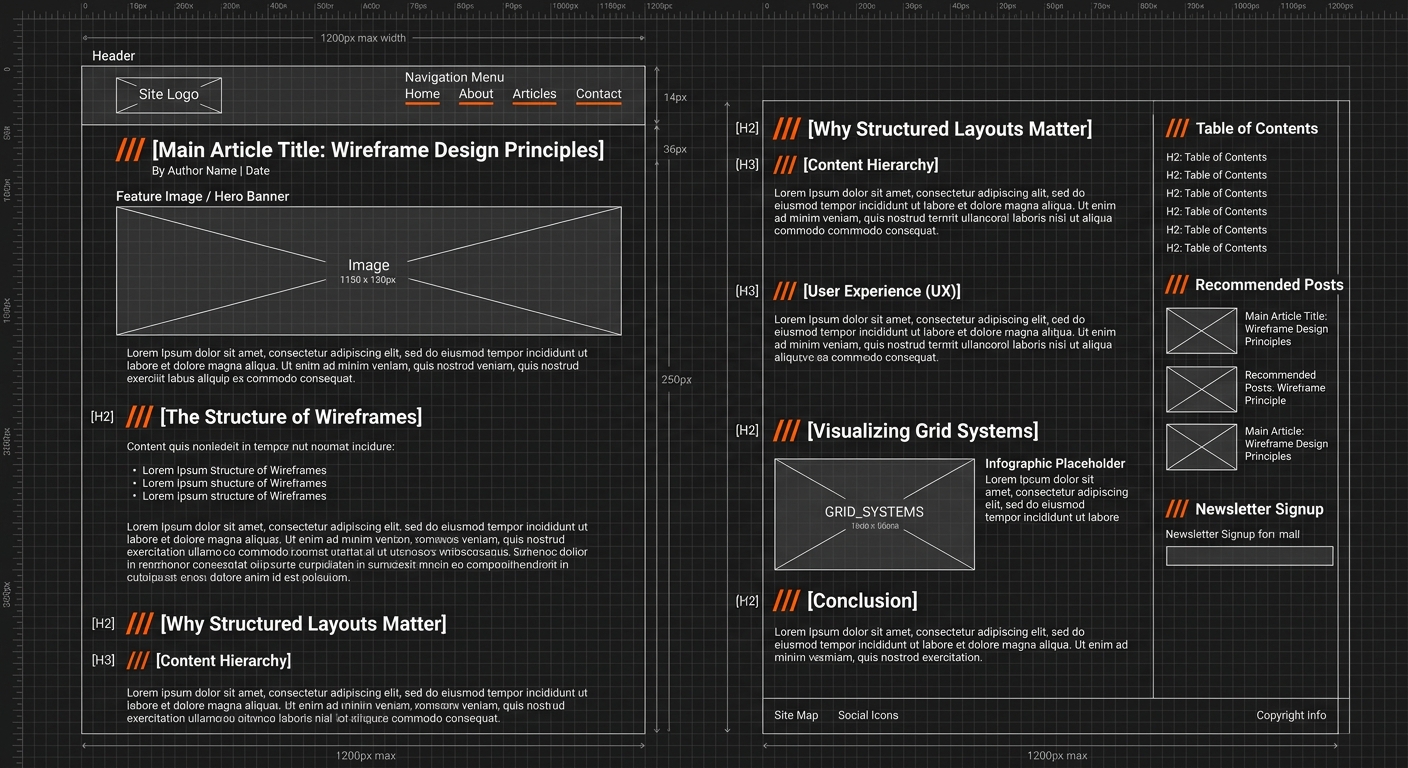
Headers must go beyond simple descriptors by incorporating high-weight entities that search engines use to map the topic. Instead of a generic "How it Works" H2, a more effective header would be "Configuring the n8n HTTP Request Node for JSON Payloads," which provides specific context for both users and the Knowledge Graph. Satisfying E-E-A-T requirements further involves embedding experience signals directly into this hierarchy through first-person observations or specific data benchmarks. An article on server migration gains credibility by mentioning a specific 14-millisecond latency spike during the database cutover. A single H2 should ideally govern no more than 400 words to prevent cognitive overload, especially when detailing complex API integrations.
- Entity Mapping: Teams using Google’s Natural Language API tend to identify higher salience scores for primary H2 tags.
- Flesch-Kincaid Tuning: Maintaining a 50-60 score involves limiting sentences to 25 words and avoiding triple-syllable jargon.
- Experience Anchors: Inserting at least one terminal snippet or log output per 500 words satisfies E-E-A-T requirements.
| Element | Target Metric | Purpose |
|---|---|---|
| Answer-First Lead | First 75 words | AEO Snippet Capture |
| H2 Semantic Density | 2+ Entities per tag | Topic Clustering |
| Readability Score | 50-60 (Flesch) | User Retention |
Technical documentation thrives on these micro-proofs. Not ideal for a 500-order batch. Apply these constraints to every H3 tag.
Drafting with Precision: Scaling Without Losing Your Soul
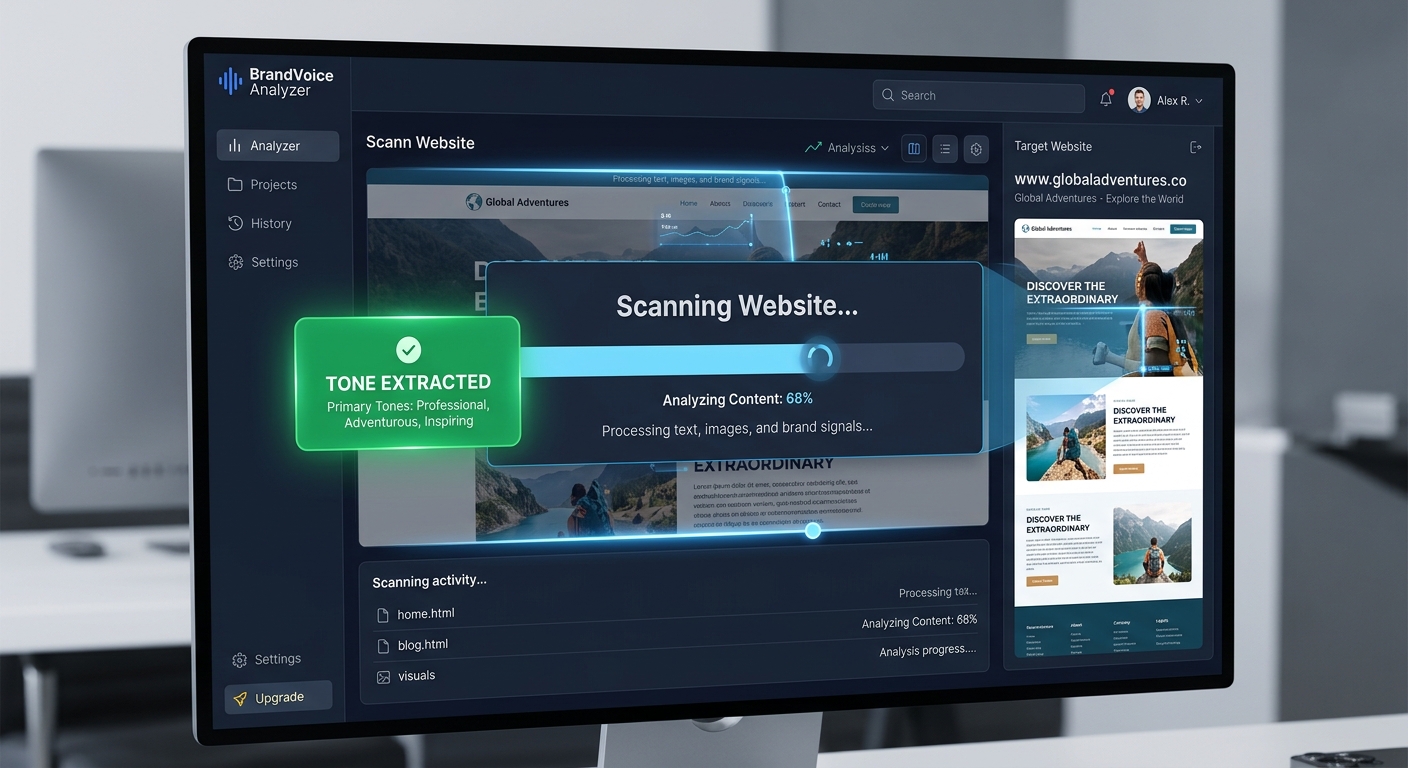
To maintain brand voice with AI, use a Brand Voice Analyzer to extract your unique tone, vocabulary, and style guidelines from existing content before generating new drafts. A Brand Voice Analyzer bridges the gap between generic LLM output and the specific linguistic nuances that define a professional publication. The tool scans a WordPress site or uploaded documents to identify recurring sentence structures, preferred terminology, and technical depth. By quantifying these elements, Articfly creates a stylistic fingerprint that prevents the AI from defaulting to the overly polite, repetitive prose typical of unconditioned models.
A marketing team feeding their last 10 successful whitepapers into an analyzer ensures AI-generated blog posts sound like their senior editor rather than a generic bot. This process creates a persistent style profile that Articfly applies to every draft, preventing the "average of the internet" feel that plagues standard AI writing. (Actually, the analyzer identifies patterns across 5,000+ words to ensure statistical significance). The data-driven approach removes the guesswork from prompting, allowing for a 3-retry, high-accuracy generation process.
Suppose a technical lead reviews a draft about Kubernetes orchestration. While the Brand Voice Analyzer handles the tone, the human editor adds the specific "war stories" or proprietary data that no AI can invent. The human-in-the-loop phase focuses on verification and high-level strategy rather than fixing comma splices or correcting basic SEO metadata. A collaborative workflow allows a single editor to manage a high-volume calendar without the burnout of writing every sentence from a blank page. An editor might spend 15 minutes adding a specific customer quote or a screenshot of a proprietary dashboard, turning a strong draft into an authoritative asset. Such a human touch ensures the content survives the "Helpful Content" checks that search engines use to filter out low-effort synthetic text. How can a team scale content if every draft requires a full rewrite? It can't.
Teams running 50+ workflows per month use the Articfly dashboard to toggle between "Normal" and "Advanced" modes depending on the required depth. Advanced mode utilizes the extracted brand profile to structure H3 subheadings and internal link suggestions based on your actual WordPress database. (Actually, the system checks the last 50 published posts to find relevant internal linking opportunities). Each draft arrives with a pre-calculated readability score, a schema markup generator, and a SERP preview already populated with a primary keyword. A structured approach to drafting means the final 10% of the work—the part that actually requires a pulse—gets the attention it deserves. Not ideal for a one-off hobby post. Agencies managing multiple clients find this level of precision necessary for maintaining distinct voices across a diverse portfolio of WordPress sites, from fintech blogs to manufacturing news portals. Each article leaves the dashboard ready for a final click-to-publish via the native WordPress plugin.
The Post-Draft Optimization Checklist
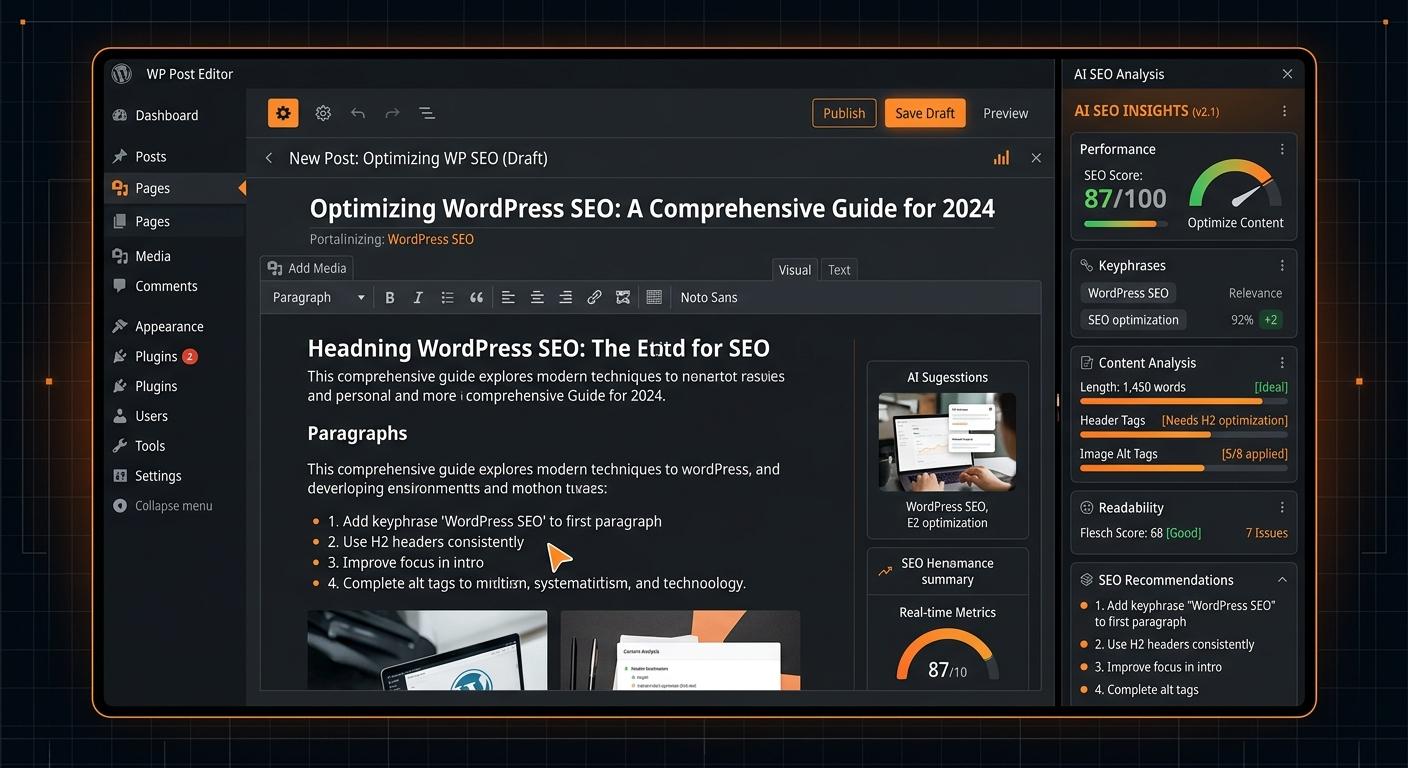
On-page SEO in 2026 requires automated internal link mapping, FAQ schema generation, and real-time SERP previews to ensure the post is fully optimized before hitting publish. These technical layers bridge the gap between a standard text file and a search-ready asset that search engines can parse efficiently. Without structured data, a 2,000-word article remains a flat block of text, missing the critical context signals that drive rich snippets and voice search results.
Implementing FAQ schema via JSON-LD allows a blog post to occupy more vertical space on the Search Engine Results Page (SERP), often increasing click-through rates by up to 20% according to early 2025 industry data. Link mapping ensures that every new piece of content strengthens the existing domain authority by connecting to relevant pillar pages automatically. If you manage a high-volume WordPress site, manual tagging is too slow to maintain.
Efficiency scales when the optimization process follows a strict technical hierarchy rather than editorial intuition. An SEO manager syncing 50 articles through a native WordPress plugin relies on predefined logic to handle metadata, alt text, and schema injection simultaneously. (Modern plugins like Articfly scan the site's existing taxonomy to suggest three to five contextually relevant internal links). This logic reduces the risk of orphaned pages.
- JSON-LD FAQ Schema: Automated generation of question-and-answer pairs derived from H3 headers to capture Google's "People Also Ask" real estate.
- Internal Link Mapping: Identifying at least 2-3 outgoing links to high-authority pillar pages and 1-2 incoming links from existing posts.
- Title Tag Pixel Audit: Keeping titles under 580 pixels to avoid truncation on mobile devices (roughly 60 characters).
- Meta Description Optimization: A 150-160 character summary that includes the primary keyword within the first 40 characters for immediate relevance.
- Alt Text Automation: Ensuring every image includes descriptive text containing the target keyword or semantic variations for accessibility compliance.
Readability scores in 2026 prioritize semantic density over simple Flesch-Kincaid metrics. A post with a 12th-grade reading level might fail to rank for broad queries, while a score of 65 or higher on the readability index suggests the content is accessible for mobile users browsing on the go. Real-time SERP previews provide the final sanity check. Seeing the exact pixel width of a title tag—typically capped at 580 pixels—prevents truncation. Not ideal for mobile visibility. Finalize the draft by verifying the canonical URL matches the intended permalink structure in the /blog/ subfolder.
The Publish and Forget Fallacy: Managing the Lifecycle
Content decay is the gradual loss of search rankings over time; in 2026, you can maintain traffic by monitoring performance and using AI to auto-refresh aging posts. A structured refresh process prevents a "publish and forget" strategy from eroding the ROI of previous content investments. A site owner seeing a 40% traffic drop on a 2024 post can often recover it fully by using an Article Refresher tool to update stats and links.
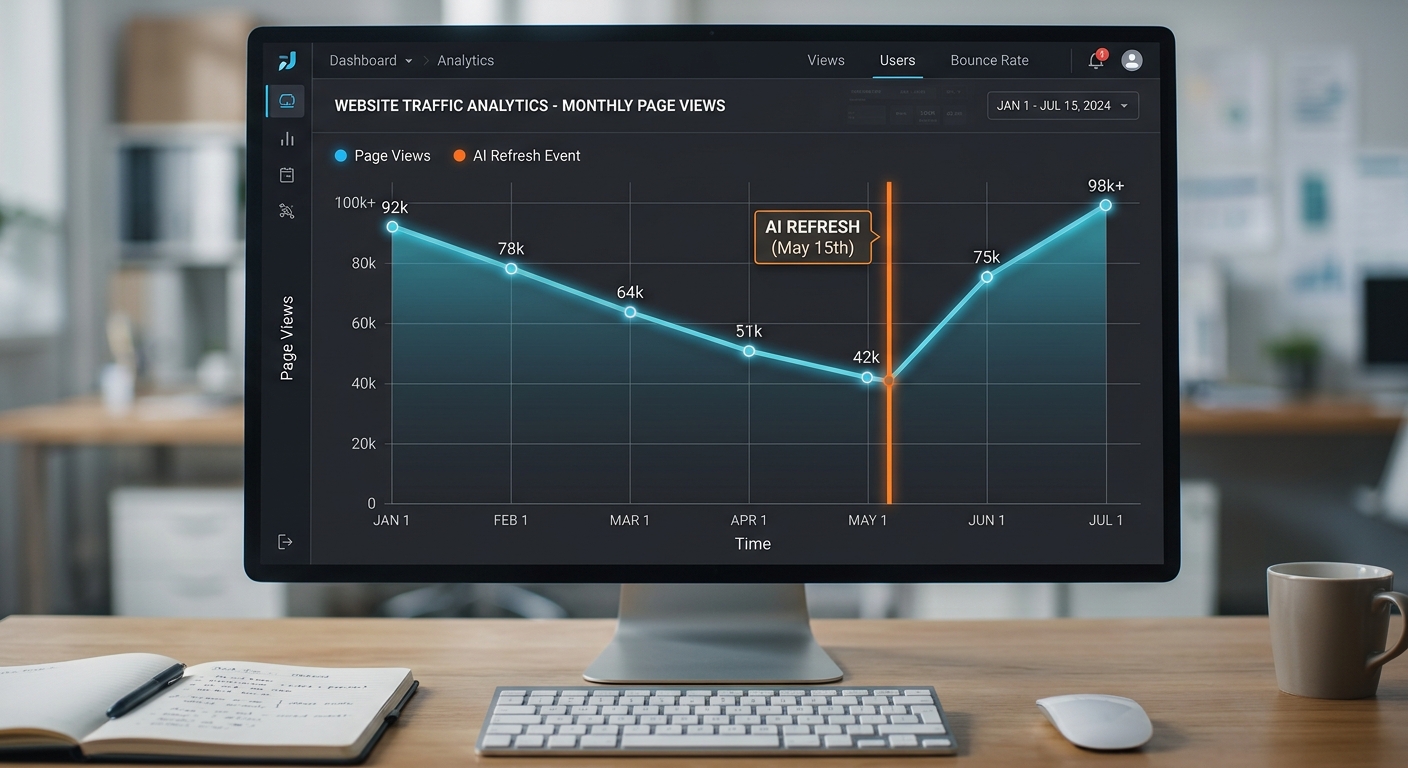
Regular updates signal to search engines that the content remains relevant. Teams that implement a 6-Month Refresh Rule—revisiting every post at least twice a year—tend to see sustained growth rather than the typical "mountain and valley" traffic pattern. A routine maintenance schedule keeps the domain authority high and prevents competitors from overtaking established positions for high-value commercial keywords.
Such proactive maintenance ensures that a high-performing article from last year continues to generate leads today without requiring a complete rewrite from scratch or hiring new staff. Articfly's Article Refresher automates this maintenance by connecting directly to the WordPress REST API to detect performance dips. The tool scans for posts with declining impressions and suggests specific semantic updates to match current SERP intent. (Actually, 180 days is the standard threshold where most evergreen content starts losing its competitive edge in technical niches). Instead of manual editing, the AI-driven system identifies broken links, outdated 2024-specific references, or deprecated software screenshots and swaps them for current data. Manual updates often fail because editors prioritize new production over maintenance. This workflow shift moves the focus from "creating more" to "extracting more value" from every published URL. Hardly sustainable at scale without automation.
A 10-person marketing team managing 500+ articles can use these automated syncing features to maintain a 15% annual traffic growth rate across the entire WordPress library. By syncing these updates directly through the Articfly plugin, teams avoid the friction of copy-pasting between documents and the WordPress editor.
Frequently Asked Questions about 2026 Blogging
Will Google penalize AI-generated content in 2026?
Google prioritizes information gain and user utility over the specific method of production. Search algorithms in 2026 focus on whether a page provides unique data or perspectives not found elsewhere on the SERP. Purely synthetic text that lacks original research or specific configuration details often fails to maintain rankings for competitive keywords like "best headless CMS." (Actually, Google’s documentation suggests that automated content is acceptable as long as it isn't used primarily to manipulate search rankings). High-performing sites use AI to draft but rely on specialized tools to inject proprietary data and internal links that demonstrate first-hand experience.
What is the ideal word count for modern blog posts?
Word count is a byproduct of covering a topic with sufficient depth to satisfy search intent. Data from high-ranking technical blogs indicates that 1,500 to 2,800 words remains the standard for complex guides. Not ideal for a quick snippet. Suppose a SaaS company publishes a 3,000-word guide on API security; the length matters less than the 15 code snippets and 4 diagrams included. Articfly’s readability scoring ensures that even at high word counts, the information density remains high enough to prevent user bounce. Depth beats breadth every time.
How often should I refresh old articles?
Content decay typically begins 6 to 9 months after publication for fast-moving niches like software or finance. An Articfly-monitored blog might flag a 12% drop in impressions as the trigger for a refresh. Refreshing involves updating outdated screenshots, checking for 404 errors, and adding new keyword clusters identified in Search Console. A 10-person agency managing 200 posts might cycle through the top 20% of their traffic-drivers every quarter using the Article Refresher dashboard. This schedule prevents visibility loss for high-value assets like the Articfly WordPress plugin guide.
Action Plan: Launch Your 2026 Content Engine
To start writing high-performance blog posts, connect your WordPress site to a content engine like Articfly, analyze your brand voice, and generate your first 30-day roadmap. The initial setup begins with the Articfly WordPress plugin, which synchronizes site taxonomy and content history to map existing topical authority. A 10-minute audit of the library identifies "decaying" posts—those losing 10% or more of their monthly traffic—allowing the engine to prioritize refreshes alongside new production.
Running a Brand Voice Analysis involves feeding the engine three to five top-performing URLs to extract specific syntactic patterns and vocabulary preferences. Such mapping aligns the resulting 30-day editorial roadmap with established authority signals rather than generic AI output. Once the system maps these parameters, the dashboard generates a sequence of drafts with JSON-LD schema markup and internal link suggestions ready for immediate review.
A user clicking "Connect WordPress" and seeing their first AI-planned roadmap appear in seconds confirms the transition from manual drafting to a content engine. High-volume publishing requires moving beyond the "blank page" phase by feeding a CSV of 50 target keywords into the Content Calendar tool. (Actually, Articfly’s Brand Voice Analyzer requires only three high-quality samples to build a 90% accurate tone profile). Zero friction.
After connecting the dashboard, teams running 20+ WordPress sites often prioritize the Article Refresher to reclaim lost rankings. This strategy stabilizes the traffic floor while the AI Article Generation engine handles the complex drafting of new keyword research. The gap between a rough draft and a live, optimized post disappears when the workflow integrates directly with the WordPress REST API. Finalize the setup by activating the #F5571B orange "Publish" button.
Want the system behind this content?
Join the top 1% of SEOs generating programmatic, high-converting organic traffic completely on auto-pilot.
DEPLOY ARTICFLYMore Articles
The 2026 WordPress AI Stack: Why Content Engines Beat Writing Tools
Stop copy-pasting from ChatGPT. Discover why the best AI writing tools for WordPress in 2026 are full-lifecycle engines that handle SEO, publishing, and content refreshing automatically.
READ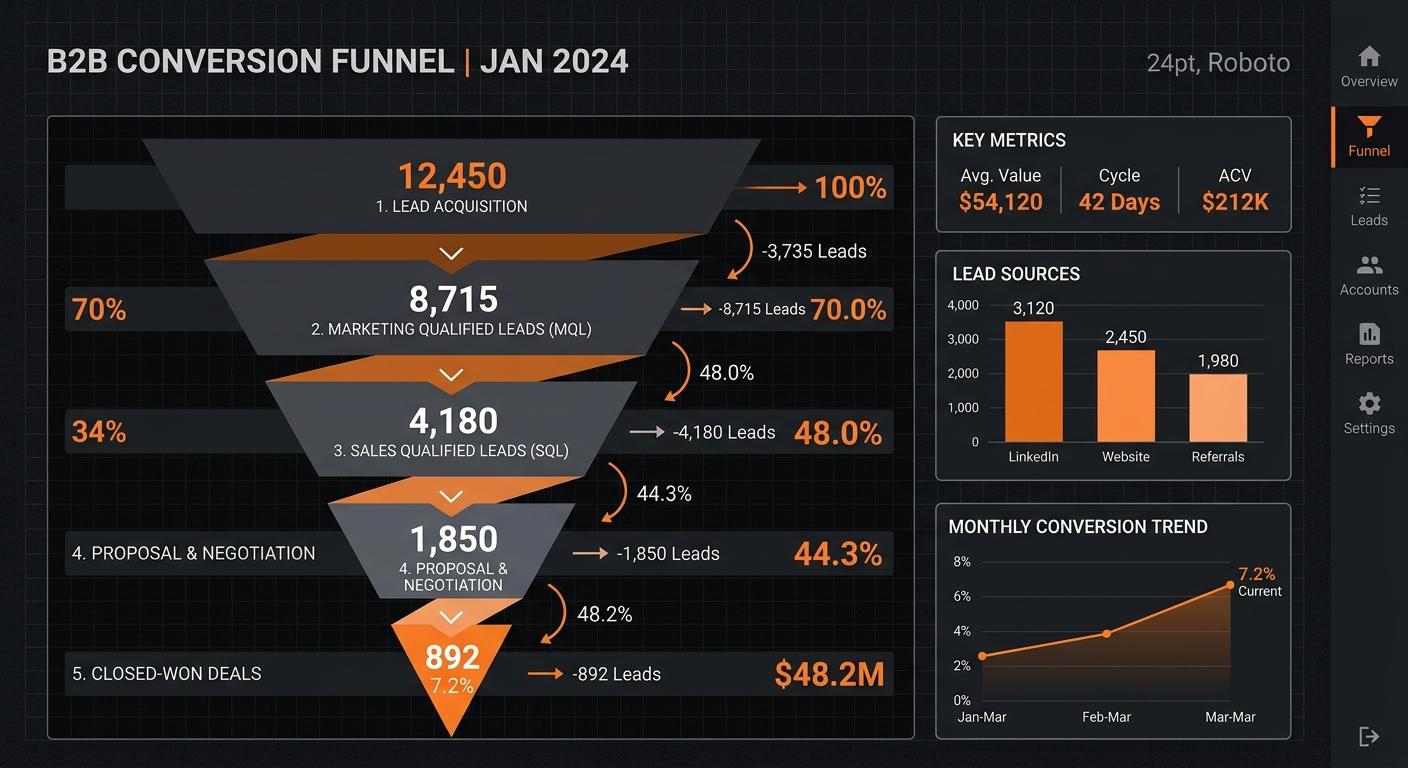
7 Types of Blog Posts That Generate B2B Leads (Not Just Traffic)
Stop chasing vanity metrics. Learn the 7 specific B2B blog post frameworks designed to capture high-intent leads, nurture prospects, and drive measurable ROI using AI-powered content systems.
READ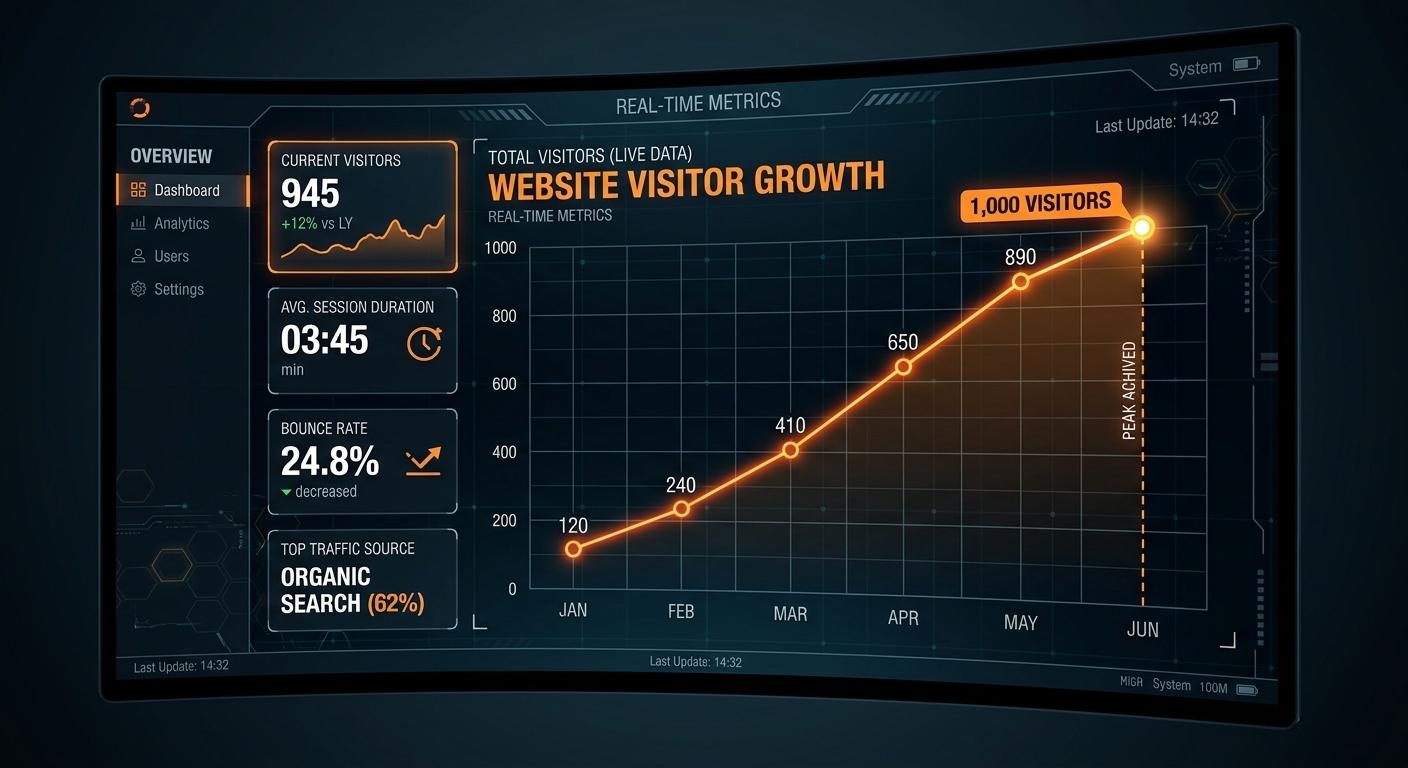
The 30-Day Blog Challenge: Scaling to Your First 1,000 Organic Visitors
A technical, step-by-step roadmap to hitting 1,000 organic visitors in 30 days using AI-driven content production, SEO-first workflows, and Articfly's automation engine.
READ