From Ghost Town to 500 Visitors/Day: How Content Rescued a Dying WordPress Site
Key Takeaways for Reviving WordPress Traffic
Rescuing a dying WordPress site requires prioritizing content refreshing, maintaining a consistent publishing schedule through AI automation, and ensuring every post aligns with current SERP intent. The strategy targets the natural decay of older URLs that held top positions but now fail to meet freshness signals. By auditing existing posts and updating them with current data, internal links, and relevant headers, a site owner signals consistently that the domain remains an authoritative source.
A solo blogger managing 2019-era technical tutorials might see a 90% traffic drop as guides become obsolete. Recovering from this decline requires a systematic production cycle instead of manual updates. Direct integration via the WordPress REST API handles synchronization and prevents formatting errors. Reaching 500 organic visitors per day is a matter of volume and technical precision.
Why wait for your traffic to hit zero before acting? Hardly a sustainable strategy.
- Automated content refreshing prevents the "decay curve" where high-performing posts from years ago lose ranking to newer competitors. Using a tool like Articfly to track SEO performance allows for surgical updates to headers and metadata without a full rewrite.
- Predictable publishing schedules satisfy search engine crawlers that prioritize active domains. A 30-day editorial roadmap ensures that the site doesn't go dark for weeks, which often leads to a drop in crawl frequency.
- Native WordPress integration eliminates the friction of moving content between a drafting tool and the CMS (actually, the WordPress REST API limits batch requests to 100 items per call, necessitating a staggered sync for larger archives). Direct sync via a dedicated plugin preserves schema generation and internal link mapping.
- SERP intent alignment ensures that new and refreshed articles match what users are actually clicking on today. Analyzing current search results for a keyword reveals whether the audience wants a listicle, a tutorial, or a product comparison.
With 50+ workflows active, teams often find that a centralized Articfly dashboard is the only way to maintain the output without increasing headcount.
Diagnosing the Ghost Town: Why WordPress Sites Flatline
WordPress sites usually fail due to content decay, where older posts lose relevance and search rankings, combined with an inconsistent publishing cadence that signals low authority to Google. This stagnation often stems from the "Publish and Forget" trap, where teams focus exclusively on new output while ignoring existing URLs. In competitive niches, a top-ranking guide can lose 40% of its traffic within six months if competitors update pricing tables while the original post remains static.
Google’s freshness algorithm treats content relevance as a sliding scale. Even for evergreen topics, search engines prioritize documents showing recent "last modified" headers and updated internal link structures. An affiliate site owner managing niche sites recently observed their top 5 earning pages drop to page 3 of Google over an 18-month period of inactivity. Without a systematic refresh cycle, link equity evaporates as current resources capture the click-through rate.
Manual content management creates a labor bottleneck that most 5-person marketing teams cannot overcome. Updating a single 2,000-word post involves re-checking 15+ external links, verifying current software pricing, and adjusting schema markup—a process taking roughly 3-4 hours per article. Scaling this across a 200-post library requires a dedicated editor costing $60,000 annually just to maintain the status quo. Not ideal for a lean agency. (Actually, 300,000 milliseconds is the limit n8n or similar automations often hit for complex scraping tasks, highlighting why manual oversight remains the default despite its inefficiency). The technical debt of unmaintained content eventually outweighs the ROI of new production.
Stagnation is a choice. When a WordPress database swells with 500+ posts, the crawl budget often shifts toward low-value archive pages instead of high-converting long-form content. Using a tool like Articfly to monitor the "Last Updated" timestamp against SERP volatility allows teams to identify exactly which URLs are trending toward the "ghost town" phase before the revenue drops. A simple 10% update to a post's H2 headers and meta description—perhaps adding a dateModified JSON-LD property—can often trigger a re-index that restores 20% of lost impressions within 72 hours.
The 500-Visitor Blueprint: Auditing Existing Content for Quick Wins
The fastest way to 500 visitors/day is identifying 'striking distance' keywords—posts ranking on pages 2 or 3—and using an AI refresher to update them for current SERP standards. This process targets content that Google already recognizes but hasn't fully promoted to the first page. Identifying articles with high impressions but low click-through rates (CTR) in Google Search Console allows teams to prioritize updates that offer the highest immediate return on effort.
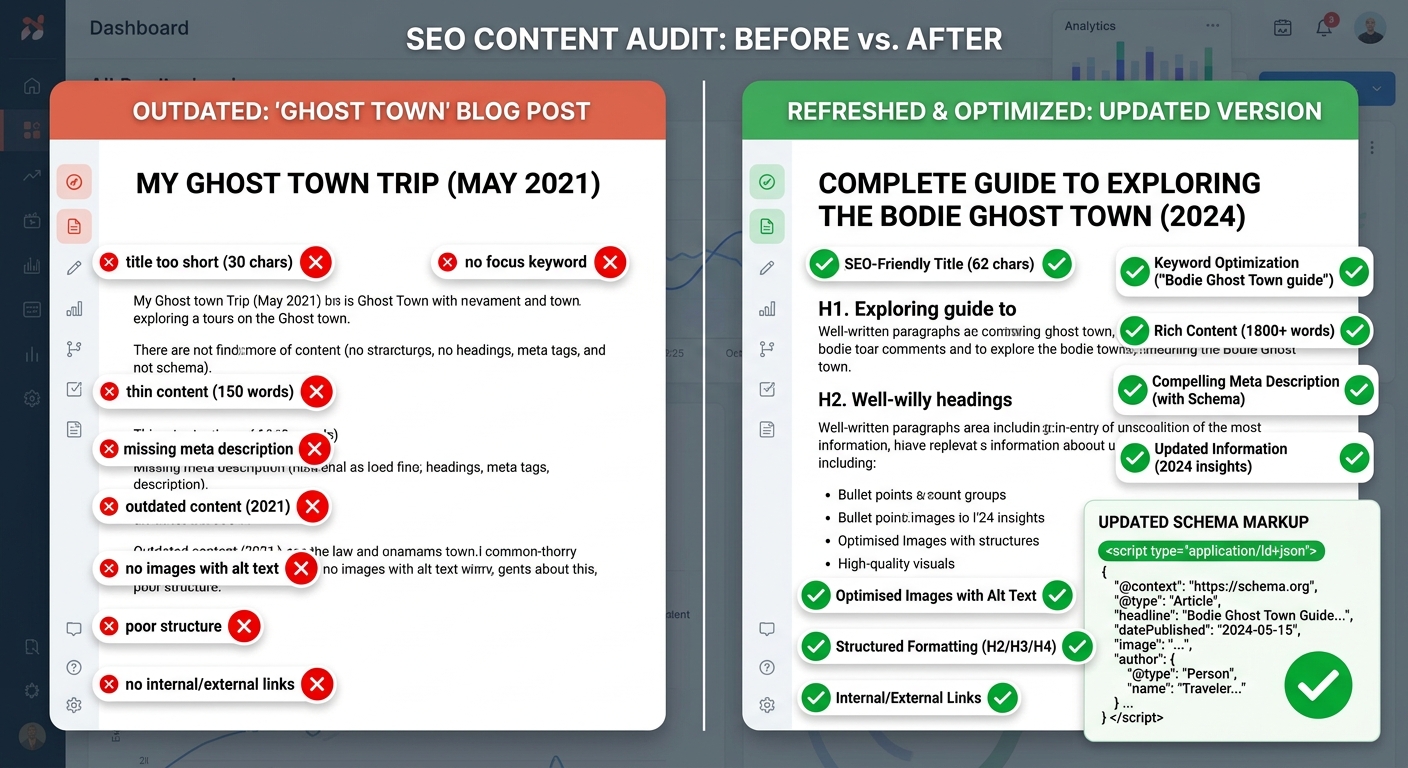
Articfly’s Article Refresher automates this by scanning the existing WordPress library to pinpoint posts where metadata or statistics have aged out. Instead of rewriting from scratch, the tool analyzes the current top-ranking competitors for a specific keyword and suggests missing subheadings or more recent data points. Updating a single 2022 statistic to a 2024 metric or adding a missing FAQ schema often provides the final push needed to move a post from position 14 to position 4.
Suppose a marketing manager overseeing a 200-post blog uses the Articfly Article Refresher to identify 12 posts that are one update away from the top 3 spots. These assets represent 40% of the site's potential traffic but currently sit buried on the second page. (Actually, most of these were ranking for keywords with a monthly volume of 1,200+, making the missed opportunity significant). The manager initiates a bulk refresh, focusing on injecting 2024 industry benchmarks and regenerating the meta descriptions to include secondary keywords identified by the Articfly SEO audit tool. Regenerating meta descriptions included adding specific schema markup for 'How-To' guides that were previously plain text.
Behind the scenes, the technical execution involves more than just swapping dates. Articfly’s dashboard provides a readability score and a keyword density map for every existing post, allowing for surgical edits rather than broad rewrites. Surgical, not sweeping. For instance, a post might lack the specific LSI keywords—like "API integration" or "webhook configuration"—that competitors are currently using to satisfy search intent. By adjusting these specific nodes within the WordPress editor via the Articfly plugin, the content signals fresh relevance to Google's crawler. The tool even highlights which internal links are broken or pointing to 404 pages.
Successful audits often reveal that 80% of a site's traffic comes from 20% of its pages. Focusing on these high-leverage assets prevents the common mistake of trying to fix every low-quality post simultaneously. A 10-post batch processed through the Articfly Article Refresher typically takes less than two hours to re-index and often results in a 15-25% lift in organic visibility within 14 days. Such efficiency allows a single operator to manage the recovery of an entire domain without external writers. Reaching the 500-visitor-per-day milestone becomes feasible through Articfly's bulk scheduling features.
Scaling Production Without Sacrificing Brand Voice
Scaling content requires an AI engine that understands a specific tone; Articfly's Brand Voice Analyzer extracts vocabulary and guidelines to ensure AI-generated text sounds human and consistent. The Brand Voice Analyzer functions by crawling an existing website to map linguistic patterns—sentence structure, preferred adjectives, and technical jargon—directly into a reusable profile. Such a process eliminates the need for manual prompt engineering for every new article. By analyzing the nuances of existing content, the system builds a stylistic foundation that mirrors established authority.

Advanced Mode complements the analyzer by allowing editors to provide specific subheadings and data points before the generation engine starts. This combination of automated tone analysis and manual structural control ensures that high-volume production does not result in generic output. (Actually, Articfly allows multiple profiles per account, so users aren't stuck with one generic "AI voice" for every project). A digital agency managing three different client sites, each with a distinct voice—from 'technical/dry' to 'energetic/lifestyle'—uses these separate profiles to switch contexts instantly.
High volume means nothing if the pages don't rank. Efficient. Articfly provides 13 built-in SEO tools, such as keyword density checks, readability analysis, and real-time SERP previews, to score content before it reaches the WordPress dashboard. A 75/100 score on the internal SEO gauge typically indicates a post is ready for scheduling, while scores below 50 trigger a warning about keyword gaps. Using the keyword analysis tool, editors can verify that primary terms appear in the correct frequency—often aiming for a 1.5% density—without over-optimizing. The readability tool specifically monitors the Flesch-Kincaid grade level, helping keep technical guides accessible to a broad audience. The SERP preview tool allows for instant visualization of how the title and meta-description will appear on mobile versus desktop screens, preventing truncation of vital call-to-action phrases.
Teams running 50+ workflows per month use these scoring metrics to maintain a baseline of quality without manual line-editing every sentence. If a draft fails the readability or internal link mapping check, the dashboard flags it for a manual review pass by a human editor. Automation of these checks ensures that technical SEO is handled at the point of creation, rather than as a secondary task during the publishing phase in WordPress. Content calendars within the dashboard allow for planning 360 days of content, which the engine then produces according to the saved brand profiles. Every post includes automated schema generation as a default setting.
Automating the Publication Pipeline: From Dashboard to Live Site
Automating the publication pipeline via a native WordPress plugin removes the manual overhead of formatting, internal linking, and schema generation, allowing for a 5x increase in publishing frequency. Direct dashboard syncing eliminates the need for manual copy-pasting, which often breaks HTML structure or strips metadata. The system pushes the finalized article, including optimized images and meta descriptions, directly into the WordPress database as a scheduled post or immediate publication. For teams managing multiple properties, this centralized control replaces the fragmented process of logging into separate admin panels to paste content.
A content team that reduced their 'Draft-to-Live' time from 45 minutes to 2 minutes proves the efficiency of this integrated approach. Why spend half an hour fixing Gutenberg blocks when the system handles the layout natively? The workflow relies on a 360-day editorial roadmap that pre-populates the production queue based on niche-specific keyword clusters. This long-term scheduling ensures a consistent publishing cadence without requiring daily manual intervention.

By focusing on technical precision, the system manages internal link mapping and automated schema generation. The dashboard analyzes the existing post library to identify high-relevance anchor text, inserting links that maintain link equity across the domain. Every article also includes valid JSON-LD schema (specifically Article and FAQ types) to assist search crawlers in parsing the content structure. Such granular automation prevents the common errors found in manual SEO checklists, such as missing "mainEntity" properties or broken image URLs in the metadata. A 360-day editorial roadmap provides a structural backbone for sites aiming for topical authority, organizing content into clusters that follow a logical progression. The roadmap facilitates visualizing internal link silos months before the content is even generated. The structured delivery maintains site performance while scaling to 50+ posts per month.
Engineers running high-volume WordPress instances often struggle with database bloat from excessive revisions, but the native plugin minimizes this by sending a clean, final version of the post in a single sync operation—less friction, more output. (Actually, the direct sync avoids the 10-15 autosaves typical of manual drafting).
Measuring Success: Beyond the Pageview Metric
Success in content recovery is measured by a combination of SEO scores, keyword ranking improvements, and the reduction of content decay across the entire site. While raw traffic offers a dopamine hit, it often lags behind the structural improvements that actually protect a WordPress site from algorithm updates. Teams that monitor the Average SEO Score across their entire library—rather than just tracking the top three earners—gain a clearer picture of their domain's health.
The Articfly dashboard provides a unified view of these metrics, aggregating the SEO health of every post synced from WordPress. A site owner managing 100+ posts might see a high-performing article lose 20% of its traffic, but if the aggregate SEO score for the domain stays above 85, the "Domain Quality Floor" remains intact. Maintaining this floor prevents Google from categorizing the site as "low-value" during broad core updates (Articfly calculates this specific score by weighing readability, keyword density, and internal link health across the whole database).
If a site publishes three high-quality posts a week, the crawler returns more often than it would for a site that dumps 50 low-quality AI drafts in a single afternoon. Frequency matters because of how search engines allocate crawl budget. Articfly’s scheduling tool regulates the publishing cadence, ensuring the WordPress REST API remains responsive and the crawl rate stays steady. Crawl budget represents the number of pages Googlebot attempts to crawl on your site within a specific timeframe. High-velocity publishing without a corresponding increase in "Quality Floor" scores results in indexed pages that never actually rank. Poor resource allocation.
Wait—actually, just looking at the number of posts is a trap. If 40% of the library shows "Content Decay" in the Articfly dashboard, the crawl budget is being spent on stagnant pages. Refreshing these existing posts often yields a better ROI than drafting new ones. Identification of "orphaned" content—posts with zero incoming internal links—is equally vital, as these pages remain invisible to crawlers regardless of their individual SEO score. Fixing these connections inside the Articfly interface updates the WordPress database immediately.
Consistency in these metrics determines the long-term viability of the domain. Real growth relies on a stable SEO score of 90.
Frequently Asked Questions About WordPress Content Recovery
Common questions about WordPress recovery involve the safety of AI content and the frequency of updates required to maintain rankings. Google does not penalize content solely because it is AI-generated, as the search engine's algorithms prioritize relevance and information gain regardless of the author.
Sites that consistently publish high-quality, human-reviewed AI content often see stable or increasing traffic. Regarding frequency, a 90-day refresh cycle for decaying posts prevents significant rankings drops. This timeframe allows the Articfly dashboard to identify pages where impressions have dipped by 15% or more before the loss becomes permanent. Internal linking also plays a critical role by distributing link equity to revived pages. Effective recovery requires a strategic balance between new production and technical maintenance. Most successful WordPress sites allocate roughly 30% of their editorial calendar to refreshing existing assets rather than starting from scratch every time.
Will my site get penalized for using AI content?
Google Search documentation confirms that "automation, including generative AI, is not against our guidelines" as long as it is not used to manipulate search rankings, provided the output demonstrates Expertise, Experience, Authoritativeness, and Trustworthiness (E-E-A-T). For instance, an AI-generated technical guide that includes specific config values for a WP_Query call will outperform a generic human-written post that lacks depth.
How frequently should I update existing articles?
A quarterly review cycle is standard for most high-traffic blogs. 90 days. That is the sweet spot for catching decay before it triggers a downward trend in Search Console. If you notice a post dropping from position 3 to position 7, the Articfly Article Refresher can re-score the content against current SERP leaders to identify missing subheadings or outdated statistics. (Actually, 120 days is often sufficient for evergreen long-tail keywords with low volatility).
What role do internal links play in content recovery?
Internal links function as the connective tissue that distributes PageRank across a WordPress site. An "orphan page" with zero internal links rarely ranks because crawlers struggle to find and index it. Strategic placement of three to five links from high-authority pillar pages to a newly refreshed post provides the necessary crawl signals for re-indexing. Effective linking requires descriptive anchor text rather than generic "click here" labels to maximize SEO value. The process signals to Google that the content is current and relevant, updating the internal link graph for the sitemap.xml.
Next Steps: Launch Your Content Rescue Mission
To begin your recovery, connect your WordPress site to Articfly, run a content audit to identify decay, and schedule your first 30 days of content. Teams managing dormant sites often start by installing the Articfly WordPress plugin and syncing the existing database. This connection allows the AI Article Refresher to scan every published URL for SEO gaps and readability scores. Instead of guessing which posts to fix, the dashboard highlights pages where traffic dropped by 20% or more over the last quarter.
Once the analyzer identifies high-potential targets, the next step involves generating a 30-day editorial roadmap. Articfly uses site niche data to suggest topics that fill internal linking gaps. Users who combine these new drafts with the Article Refresher tool can maintain a consistent publishing frequency without manual oversight. Even a single Article Top-up Pack provides enough credits to overhaul three high-priority pages that previously sat idle for months.
Implementation follows a three-step cycle. First, the Brand Voice Analyzer extracts vocabulary from top-performing pages to ensure new output matches the existing style. Second, the Advanced AI mode builds full-length articles complete with schema markup and SERP previews. Finally, the native WordPress integration pushes these drafts directly to the site. No copy-pasting required. (Actually, Articfly’s schema generator handles JSON-LD automatically, which saves about 15 minutes of manual coding per post).
A 10-person agency managing 50+ client sites might use the 360-day roadmap feature to automate an entire year of growth. Focus on the Article Refresher tab.
Want the system behind this content?
Join the top 1% of SEOs generating programmatic, high-converting organic traffic completely on auto-pilot.
DEPLOY ARTICFLYMore Articles
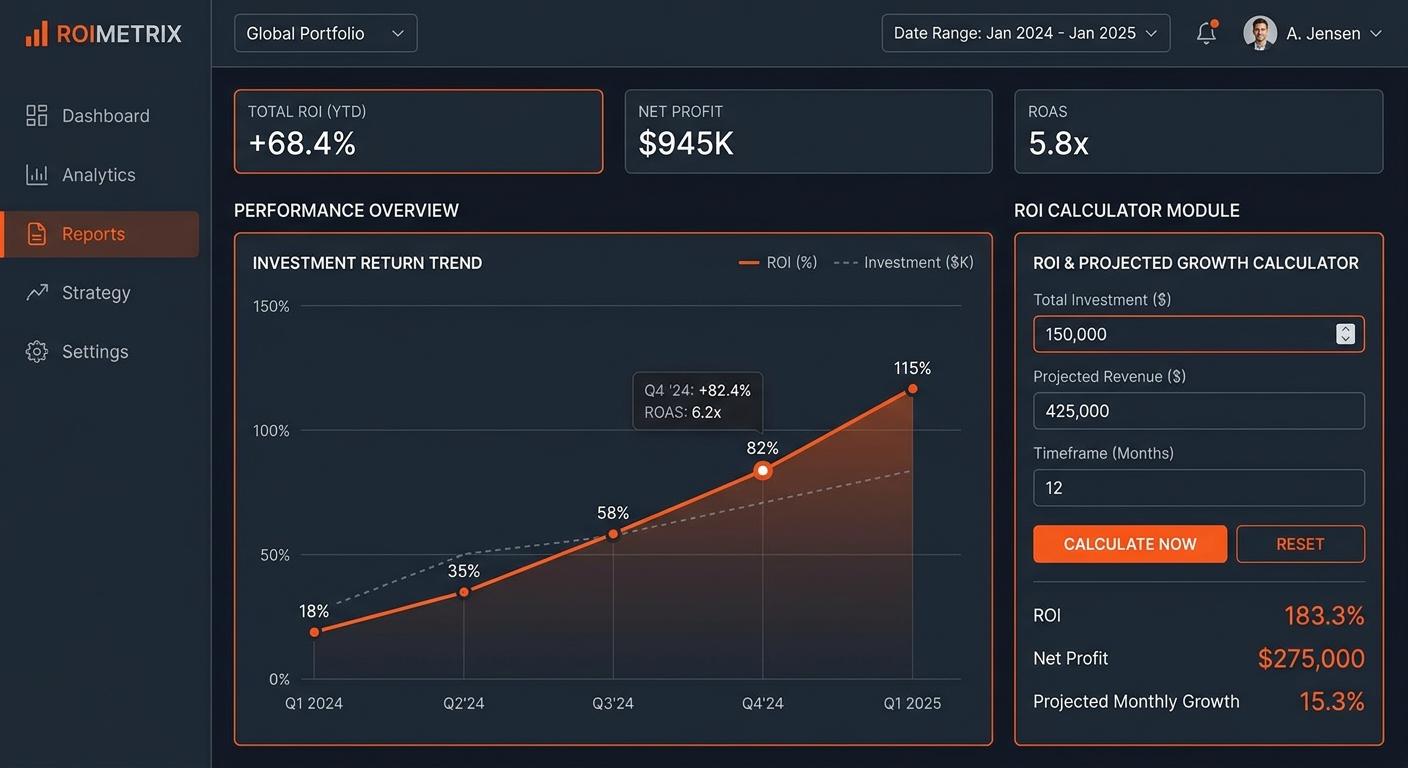
Content Marketing ROI Calculator: How to Prove Blog Posts Make Money
Stop guessing if your blog is profitable. Learn the exact formula to calculate content ROI, track assisted conversions, and use AI to slash production costs while increasing output.
READ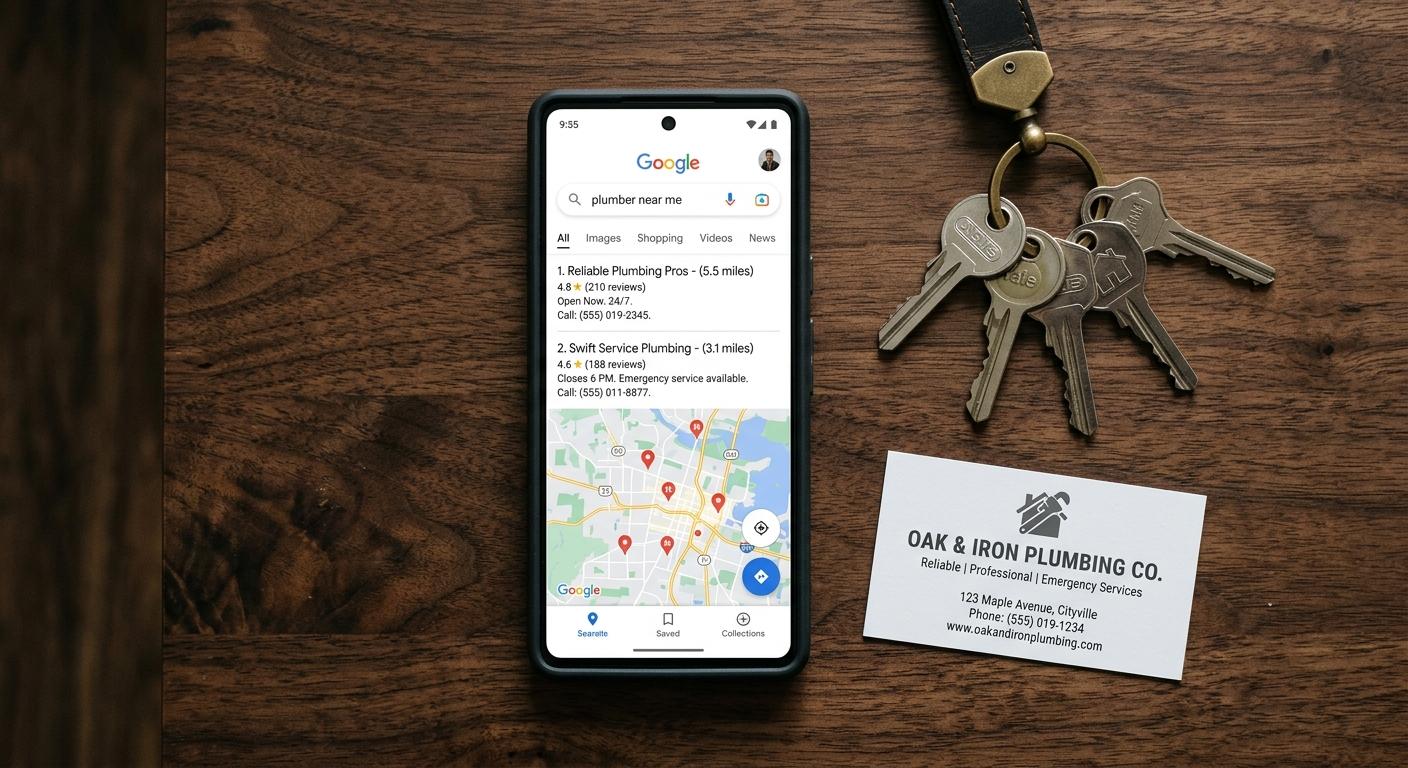
How Local Service Businesses Win Customers with 'Near Me' Blog Content
Discover how local service businesses can dominate 'near me' search results by moving beyond basic landing pages. Learn to scale hyper-local blog content that builds trust, captures high-intent leads, and leverages AI-driven automation for multi-location growth.
READ
The Future of Blogging in the Age of AI: Dead, Dying, or More Important Than Ever?
Is AI killing the blog? Discover why the future of blogging isn't about 'writing' anymore—it's about managing a high-performance content lifecycle. Learn how to leverage AI to scale SEO without losing your brand voice.
READ